
For many Kenyans, home ownership is a lifelong dream, but also a journey filled with uncertainty, myths, and financial fear.
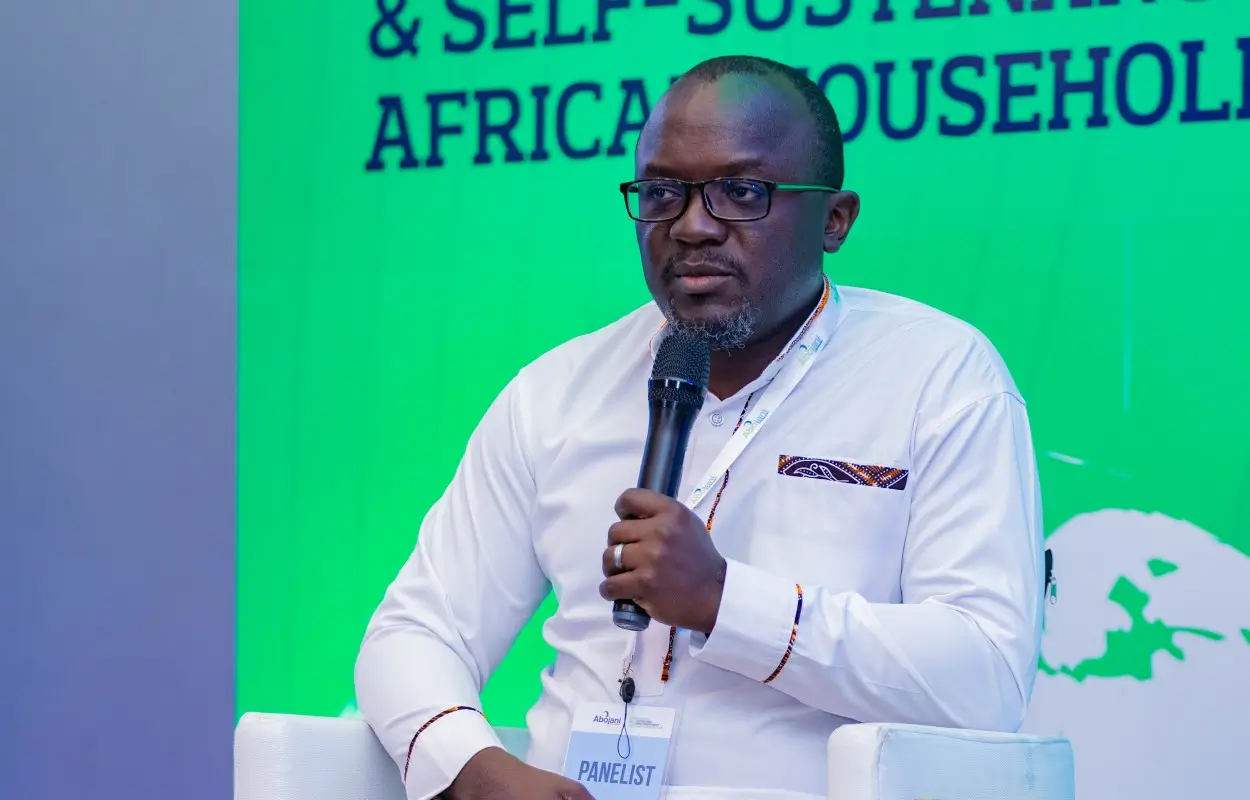
Elijah Tole, Business Development Manager – Mortgage, at Absa Bank Kenya, broke down one of the most misunderstood parts of that journey: how to safely and effectively use mortgages to enter real estate, especially as a first-time buyer.
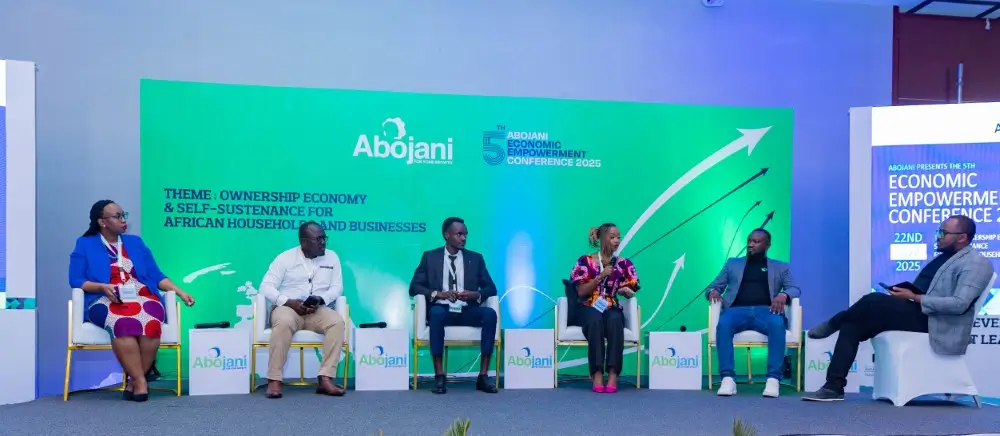
He spoke during the 5th Abojani Economic Empowerment Conference 2025 held on November 22 at the Radisson Blu Hotel.
Elijah began by reframing mortgages in a way most people never consider: a mortgage is not just a loan, it is also a layer of protection. Many first-time buyers believe paying cash is faster and cheaper. But Elijah noted that cash purchases can sometimes leave buyers exposed to hidden risks: inflated prices, incomplete titles, and potentially rogue developers.
How to Buy a House in Kenya
Through a mortgage, however, the buyer shares the risk with the bank. And banks do not release funds until the following checks are done:
- Lawyers verify the authenticity of titles and ownership
- Valuers confirm the real market value, so the buyer does not overpay
- Insurance is automatically structured to protect both the borrower and the asset
- Due diligence partners vet the project or developer
Also read: From Consumers to Wealth Builders: A call towards an Ownership Economy in Africa
One of the biggest barriers for first-time homeowners is the onboarding cost, typically around 8% of the property value. This includes legal fees, valuation fees, stamp duty, and insurance.
What does the 8% onboarding cost look like in reality? If you are buying a home worth KSh 5,000,000, you need to plan for roughly KSh 400,000 upfront to cover:
- Stamp Duty: 4% for urban areas (KSh 200,000)
- Legal Fees, Valuation, & Insurance: Approx. 4% (KSh 200,000)
Tip: As Elijah noted, check if your bank can bundle these onboarding fees directly into your KMRC loan package.
Elijah said planning for this cost early makes the difference between a smooth experience and financial strain. And this is where financial institutions come in. Here are some tips:
1. Start with the bank, not the house
Many Kenyans do the opposite, they shop for a home first, get excited, pay a deposit, and only then discover that they do not qualify for financing. Elijah emphasized that your first stop should always be the bank. Let the bank assess your income and give you a realistic budget before you start shopping. Through a pre-assessment, institutions like Absa help buyers determine:
- How much they qualify for
- What price range to focus on
- How much deposit is needed
- Whether the onboarding costs can be financed
This clarity protects buyers from false starts.
A significant advantage Elijah highlighted is the role of the Kenya Mortgage Refinance Company (KMRC), which offers long-term mortgage financing at affordable, fixed single-digit interest rates.
Key benefits include:
- Interest rate capped at 9.5%
- Tenure of up to 25 years
- Loans up to KSh 10.5 million
- Eligible property value capped at KSh 15 million
This structure is designed to open homeownership for the average Kenyan earning a stable income. Elijah explained that KMRC backed mortgages are especially powerful for first-time buyers with tight budgets because the bank can finance both the property and the onboarding costs, provided the home value falls within the approved range.
This significantly lowers the financial pressure that often makes mortgages feel out of reach.
Why age matters: The earlier you start, the better
Although it is never too late to buy a home, Elijah encouraged young adults to begin conversations about homeownership by their early 30s.
Reasons being:
- Younger buyers have longer repayment periods
- They qualify for more favourable instalments
- They have more time to buffer against income shocks
- They can build equity earlier and use the home as collateral for future financing
Homeownership, he noted, is not an overnight accomplishment but part of long-term financial planning.
Elijah outlined several considerations that first-time buyers should evaluate before settling on a mortgage package:
- Interest rates – Is the rate fixed or variable?
- Tenure – How long do you want to repay?
- Onboarding cost financing – Can the bank cover part of the 8% costs?
- Developer credibility – Will the seller accept a bank-funded process?
- Turnaround time – How long will approval take?
- Flexibility for lump-sum repayments – Can you reduce your tenure or instalments over time?
He emphasized that a good mortgage is not just about the rate – it is about the entire ecosystem of support.
Off-Plan purchases
While some Kenyans prefer off-plan projects due to favourable pricing and flexible payment plans, the segment is also notorious for fraud, delays, and incomplete projects.
Elijah explained how banks can facilitate safer off-plan purchases:
- The bank assesses the developer’s track record
- Collateral arrangements are put in place
- Up to 90% of the property cost can be financed during construction
- If the developer fails to deliver, deposits are safeguarded
- The buyer remains protected throughout the construction period
This structure ensures that off-plan buyers are not left exposed.
Mortgage protection in hard times

The fear of losing income is one of the top reasons people avoid mortgages. Elijah addressed this concern. If income is disrupted, buyers have several options:
1. Mortgage protection insurance
This optional cover (costing as low as 0.15%) can pay instalments for 6–9 months or up to KSh 3 million, depending on the package.
2. Recalculating monthly instalments
If a customer was making extra payments, the bank can restructure instalments to match the new income level.
3. Time before foreclosure
Auctioning a home does not happen overnight. The foreclosure process can take 6–12 months, giving homeowners time to:
- Sell the house themselves
- Reinstate payments
- Refinance
- Restructure the loan
The key is early communication with the bank.
Ready to plan your path to homeownership? Don’t shop for houses blindly. Learn how to map your cash flow, build a deposit fund, and qualify for financing by joining the next Abojani Personal Finance & Investing Masterclass here.
#Home Ownership

CEO & Co-Founder, Abojani Investment
Robert Ochieng is a visionary entrepreneur and the co-founder of Abojani Investment, a leading financial education platform in Kenya that has empowered over 20,000 Africans to embark on their investment journeys. As CEO, he has demonstrated an unwavering commitment to financial literacy, successfully demystifying money and investments and making them accessible and relevant to individuals from all walks of life.
Running Thriving Investment Communities
Robert’s influence extends well beyond Abojani Investment’s core offerings. He has actively fostered a sense of community by running investment forums and groups with a vast following of over 300,000 Africans. These communities provide a safe space for individuals to exchange ideas, share experiences, and support each other on their investment journeys.
Vision for the Future
As co-founder of Abojani Investment, Robert envisions a financially empowered Africa. He strives to expand the reach of his financial education initiatives, enabling millions more to gain the knowledge and confidence needed to achieve their financial goals. His vision is to create a society where every individual has the tools and understanding to build lasting wealth and prosperity.
Professional Background
Robert Ochieng is a highly accomplished CEO at the helm of Abojani Investment, an investment and advisory firm in Kenya. He is a seasoned professional with over 14 years of experience in IT, Finance, and leadership.
His career includes key roles at prominent institutions such as Equity Bank, Gulf African Bank, Guaranty Trust Bank (GTBank) and Airtel.
Robert’s expertise has also been sought after by the National Treasury for consultancy on planning and budgeting systems, showcasing his exceptional knowledge and skills in the field. Passionate about driving meaningful conversations and collaborations between academia, industry, and the public sector, Robert actively engages in research projects focusing on digital transformation within the financial services sector. With his visionary leadership and strategic insights, Robert Ochieng continues to make a significant impact in the business world.