
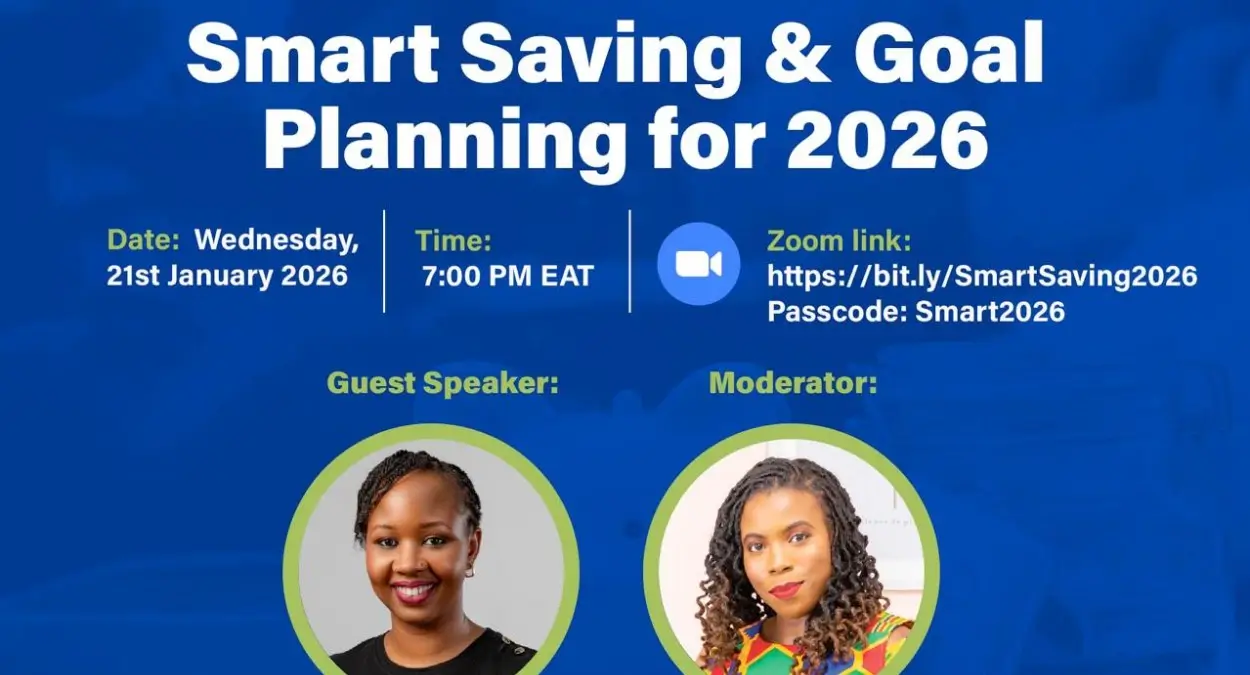
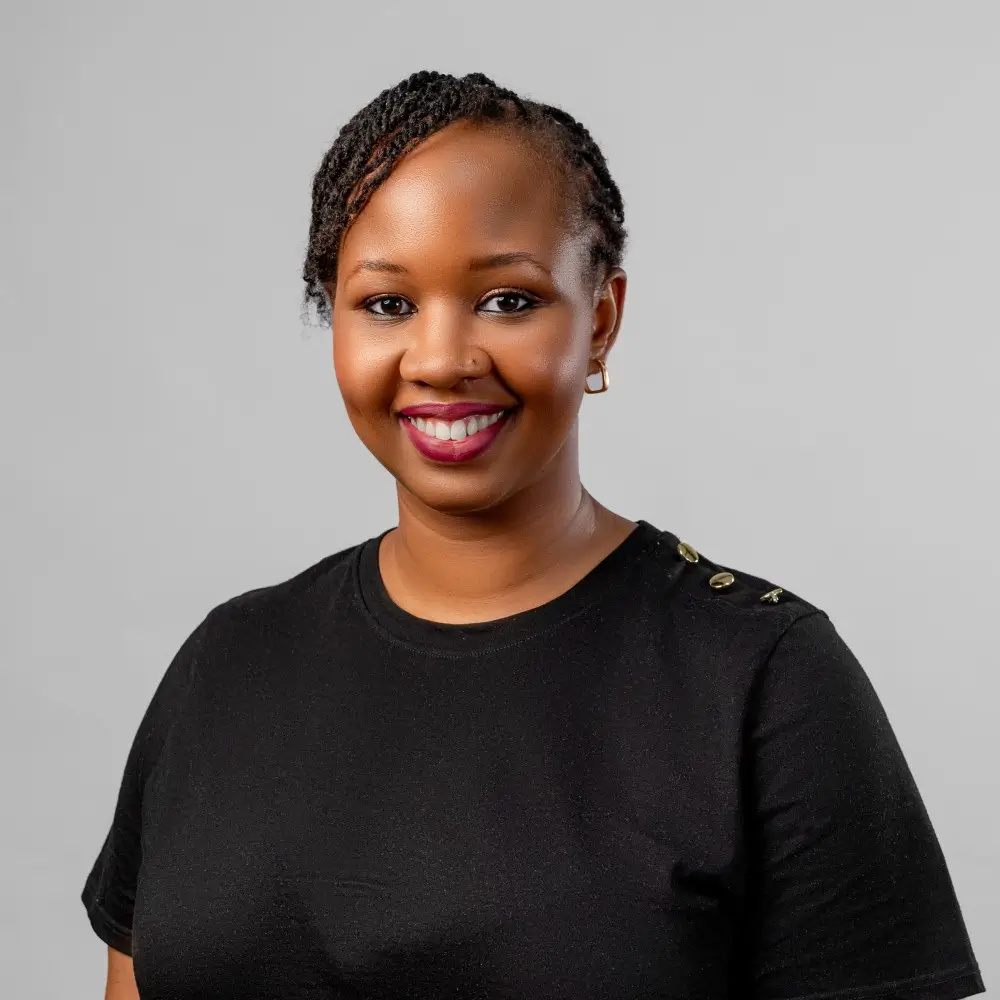
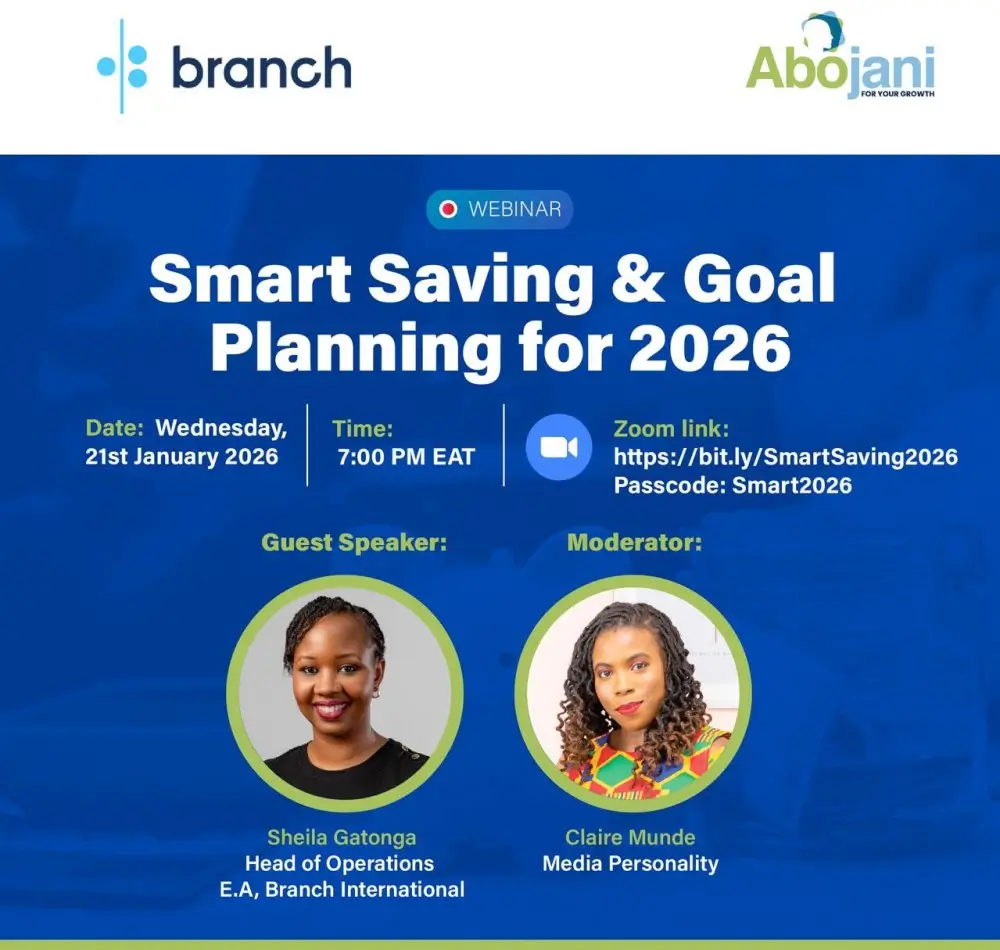
As 2026 gets underway, many people are reflecting on what they want the year to look like financially. From clearing debt and building savings to investing in education, businesses, or long-term security, the desire to “get money right” is top of mind. It was against this backdrop that Abojani, in partnership with Branch International, hosted a webinar titled ‘Smart Saving and Goal Planning for 2026’, featuring insights from Sheila Gatonga, Head of Operations for East Africa at Branch International.
The conversation offered practical, relatable guidance for anyone serious about improving their financial habits—not through drastic measures, but through structure, clarity, and consistency.
Also read: It’s Not Enough to Just Save; You Need to Save Smart and Invest
Why starting the year right matters
According to Sheila, the beginning of the year is powerful because it naturally comes with reflection and intention. This is when motivation is highest and when people are most open to change. Setting financial goals early creates momentum that can carry through the year.
Without a plan, finances tend to become reactive. Money is spent responding to circumstances, trends, and social pressure rather than purpose. Planning early helps you get ahead of yourself—because, as Sheila noted, “when it comes to finances, you are your biggest distraction.” A clear plan introduces structure, and structure makes it easier to stay focused when life inevitably happens.
Start with mindset and your “why”
One of the strongest themes from the discussion was that smart saving begins in the mind. Before talking about numbers, you must ask yourself: Why am I saving?
Saving for its own sake rarely works. Saying “I want to save one million shillings” is not enough. Is it for further education? A child’s school fees? Starting a business? Buying an asset? When savings are tied to a clear purpose, they become emotionally meaningful—and that emotional connection is what sustains discipline over time.
Financial independence, Sheila emphasized, is first emotional, then habitual. Once the “why” is clear, it becomes easier to commit, even when temptation arises.
Break big goals into manageable pieces
Large financial goals can feel overwhelming, which is why many people procrastinate or give up before they start. The solution is to break them down.
If you need KSh 500,000 for a master’s degree, don’t focus on the intimidating lump sum. Set a timeline, then work backwards to a monthly, weekly, or even daily figure. For some, saving daily works better—especially for people with irregular income such as business owners or those in the gig economy.
The key is to choose an amount that is realistic and sustainable. Saving KSh 350 a day may feel small, but done consistently, it adds up significantly over time. Saving is not a sprint; it’s a marathon. What matters most is staying the course.
“Smart Saving & Goal Planning for 2026” Click to Catch the Webinar Recording
- Passcode: Smart@2026
Use automation to remove temptation
One of the most practical tips from the webinar was around automation. Many people treat savings as an afterthought—whatever is left after spending. This approach almost always fails.
Instead, savings should be treated like tax: deducted before you even see the money. Once income comes in, a pre-set amount should automatically move into a savings account. You then budget from what remains.
Separating savings and spending accounts is also crucial. Seeing a “suspiciously large” balance often leads to unnecessary spending justified by “you only live once.” Automation removes decision fatigue and reduces temptation, making consistency far easier.
Expect setbacks and plan for them
A common reason people fall off their savings plans around mid-year is that motivation fades and life intervenes. Unexpected expenses, family obligations, and emergencies can derail even the best intentions.
This is where resilience matters more than perfection. If circumstances change, resize your savings—don’t abandon them. Saving KSh 300 instead of KSh 3,000 is still progress. And if you stop altogether, start again without shame. Waiting for the “next year” is how goals quietly die.
Remembering your original “why” helps reignite commitment, especially when things get tough.
The critical role of an emergency fund
Emergency funds are not idle money; they are freedom funds. In uncertain times—job losses, health emergencies, or family crises—they provide stability and protect long-term goals from being wiped out.
For many people, emergencies force them to dip into goal-based savings or go into debt. An emergency fund creates a buffer and sets boundaries, helping you support others without sacrificing your future. It also brings peace of mind, which allows you to pursue your goals with greater confidence.
Prioritising your money wisely
Personal finance is personal, but prioritisation follows a simple logic. Start by having an honest conversation with yourself about income versus expenditure. Track where your money goes, remove unnecessary “fluff,” and distinguish between essentials and non-essentials.
Essentials are not just food and rent—they can include expenses that enable income or growth. At the same time, spending should not require constant borrowing. Living paycheque to paycheque or juggling loans to survive is a warning sign.
A healthy financial structure includes essentials, an emergency fund, and goal-based savings—whether for education, investments, holidays, or assets.
Final takeaway
Smart saving in 2026 is not about drastic sacrifices or unrealistic targets. It’s about clarity, structure, consistency, and compassion for yourself when life happens. Start with your “why,” automate where possible, prepare for emergencies, and keep going—even imperfectly.
Because in the end, the people who succeed financially are not those who start strongest, but those who stay the course.
CEO & Co-Founder, Abojani Investment
Robert Ochieng is a visionary entrepreneur and the co-founder of Abojani Investment, a leading financial education platform in Kenya that has empowered over 20,000 Africans to embark on their investment journeys. As CEO, he has demonstrated an unwavering commitment to financial literacy, successfully demystifying money and investments and making them accessible and relevant to individuals from all walks of life.
Running Thriving Investment Communities
Robert’s influence extends well beyond Abojani Investment’s core offerings. He has actively fostered a sense of community by running investment forums and groups with a vast following of over 300,000 Africans. These communities provide a safe space for individuals to exchange ideas, share experiences, and support each other on their investment journeys.
Vision for the Future
As co-founder of Abojani Investment, Robert envisions a financially empowered Africa. He strives to expand the reach of his financial education initiatives, enabling millions more to gain the knowledge and confidence needed to achieve their financial goals. His vision is to create a society where every individual has the tools and understanding to build lasting wealth and prosperity.
Professional Background
Robert Ochieng is a highly accomplished CEO at the helm of Abojani Investment, an investment and advisory firm in Kenya. He is a seasoned professional with over 14 years of experience in IT, Finance, and leadership.
His career includes key roles at prominent institutions such as Equity Bank, Gulf African Bank, Guaranty Trust Bank (GTBank) and Airtel.
Robert’s expertise has also been sought after by the National Treasury for consultancy on planning and budgeting systems, showcasing his exceptional knowledge and skills in the field. Passionate about driving meaningful conversations and collaborations between academia, industry, and the public sector, Robert actively engages in research projects focusing on digital transformation within the financial services sector. With his visionary leadership and strategic insights, Robert Ochieng continues to make a significant impact in the business world.