
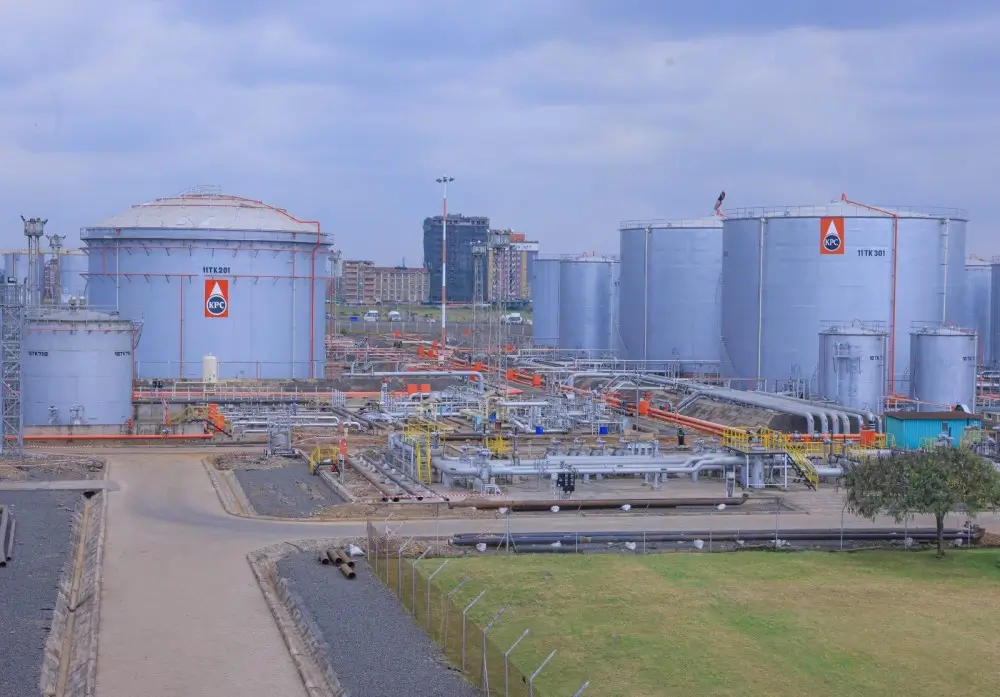
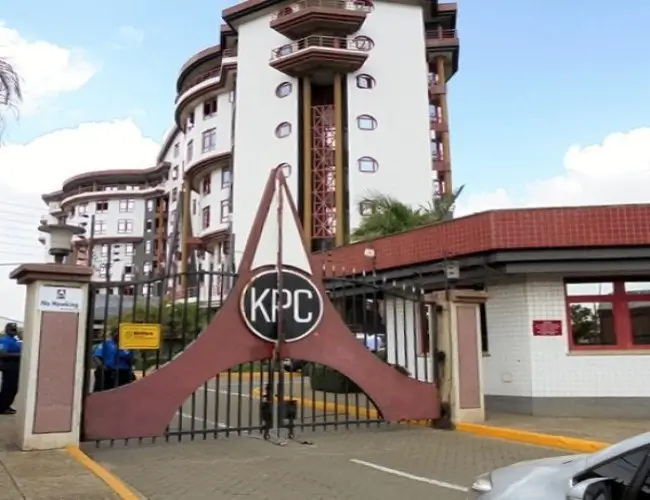
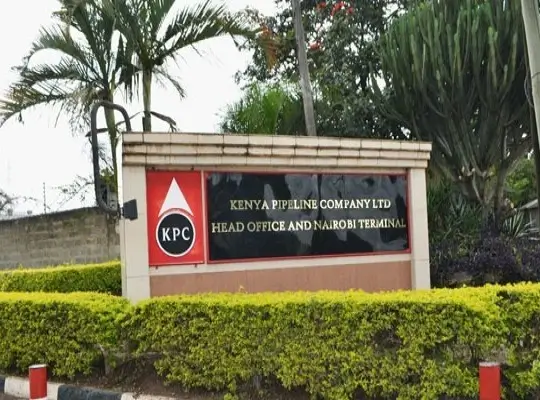
For five decades, Kenya Pipeline Company (KPC) has been at the heart of East & Central Africa’s energy sector. Established in 1973 under a government mandate, KPC has grown into a modern, profitable logistical hub. It now manages around 1,700 km of pipelines connecting Mombasa, Nairobi, Eldoret, and Kisumu, with storage capacity of over 1 billion litres. Its network moves fuel efficiently, reduces reliance on road and rail transport, and supports regional trade to Uganda, Rwanda, Burundi, and the DRC.
Now, the government is taking a historic step by privatizing 65% of KPC through an Initial Public Offering (IPO).
Why Privatize Kenya Pipeline Company (KPC)?
1. Broaden Ownership and Participation
Privatization opens the door for retail and institutional investors to own a stake in a vital national asset. Selling 65% of the shares ensures broad public participation, while the government retains 35%, keeping strategic oversight. This approach turns KPC into a shared opportunity rather than a fully state-controlled entity, allowing citizens to benefit from the company’s profitability and growth.
Also read: Valuation 101: How Kenya Pipeline Company Was Actually Valued
2. Fund Critical Development Projects
The IPO proceeds, estimated at over KSh 106 billion, will fund energy, roads, water, irrigation, and airport projects. Privatization provides a way to raise money for infrastructure without increasing taxes or borrowing, creating long-term benefits for the country.
3. Improve Efficiency and Innovation
Private sector involvement brings capital, expertise, and innovation, which helps KPC modernize operations and optimize performance. At the same time, retaining a government stake ensures national interests and energy security are safeguarded.
4. Strengthen Kenya’s Capital Markets
Choosing an IPO over a sale to a single strategic investor allows broad public participation. Investors gain access to a company with stable earnings, a track record of dividends, and long-term growth prospects. Infrastructure assets like KPC provide predictable cash flows and behave differently from banks, telecoms, or consumer-driven companies. This means investors can diversify portfolios, reduce risk, and earn stable returns, while contributing to the country’s economic backbone.

5. A Strategic Investment Opportunity
The KPC IPO gives investors exposure to a company that is:
- Structurally important: KPC plays a major role in moving fuel across Kenya and supporting trade throughout the region.
- Financially reliable: Its revenues come from steady fuel transportation and storage contracts, providing a stable income base.
- Resilient: The business is less affected by economic ups and downs, offering a natural hedge for investors.
- Impactful: The funds raised through the IPO will go into national infrastructure and development projects.
Importantly, the KPC IPO is for Kenyans. The government is not selling the company to foreign investors. Shares are being allocated according to a policy that prioritizes local retail and institutional investors, ensuring that Kenyans remain at the center of this strategic national asset.
#Kenya Pipeline Company
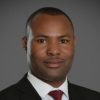
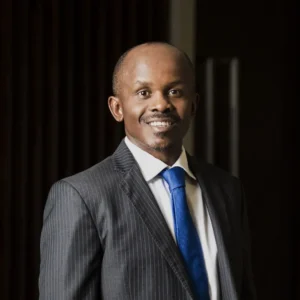
CEO & Co-Founder, Abojani Investment
Robert Ochieng is a visionary entrepreneur and the co-founder of Abojani Investment, a leading financial education platform in Kenya that has empowered over 20,000 Africans to embark on their investment journeys. As CEO, he has demonstrated an unwavering commitment to financial literacy, successfully demystifying money and investments and making them accessible and relevant to individuals from all walks of life.
Running Thriving Investment Communities
Robert’s influence extends well beyond Abojani Investment’s core offerings. He has actively fostered a sense of community by running investment forums and groups with a vast following of over 300,000 Africans. These communities provide a safe space for individuals to exchange ideas, share experiences, and support each other on their investment journeys.
Vision for the Future
As co-founder of Abojani Investment, Robert envisions a financially empowered Africa. He strives to expand the reach of his financial education initiatives, enabling millions more to gain the knowledge and confidence needed to achieve their financial goals. His vision is to create a society where every individual has the tools and understanding to build lasting wealth and prosperity.
Professional Background
Robert Ochieng is a highly accomplished CEO at the helm of Abojani Investment, an investment and advisory firm in Kenya. He is a seasoned professional with over 14 years of experience in IT, Finance, and leadership.
His career includes key roles at prominent institutions such as Equity Bank, Gulf African Bank, Guaranty Trust Bank (GTBank) and Airtel.
Robert’s expertise has also been sought after by the National Treasury for consultancy on planning and budgeting systems, showcasing his exceptional knowledge and skills in the field. Passionate about driving meaningful conversations and collaborations between academia, industry, and the public sector, Robert actively engages in research projects focusing on digital transformation within the financial services sector. With his visionary leadership and strategic insights, Robert Ochieng continues to make a significant impact in the business world.