
When conversations turn to wealth creation, the focus often lands on property, stocks, government securities, or business ownership. But long before someone builds an investment portfolio, there is a more foundational asset at play: Human Capital. The ability to earn. The ability to adapt. The ability to stay relevant.
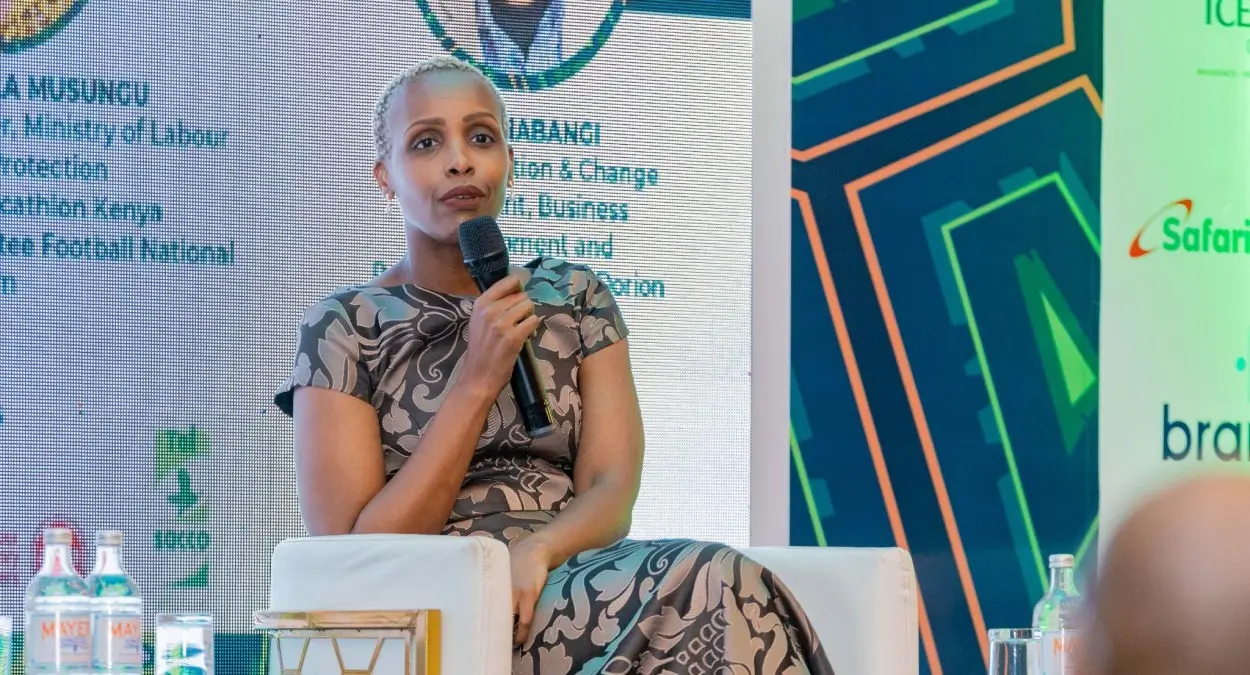
At Abojani’s 4th Economic Empowerment Conference, Phyllis Migwi, former Country General Manager at Microsoft, reflected on a journey that embodies this principle. She began her career in finance, yet has spent the last two decades in technology. That shift represents more than a career move. It represents a mindset, which is the willingness to evolve with the economy.
The modern economy does not stand still. Automation is reshaping work. Artificial intelligence is redefining productivity. Digital platforms are changing how value is created and delivered. In such an environment, qualifications alone are not enough. What matters is whether skills are current, transferable, and scalable.
Upskilling and re-skilling are not buzzwords. They are risk management strategies. A professional who does not update their skills becomes exposed – exposed to redundancy, stagnant income, or forced career transitions under pressure.
On the other hand, someone who intentionally upgrades their skills builds optionality. They can pivot industries. They can negotiate better compensation. They can step into emerging opportunities rather than watch them pass by.
Curiosity plays a central role in this. Not passive curiosity, but active curiosity, the kind that asks, “What is changing in my industry?” “What skills will matter five years from now?” “What gaps exist in my current knowledge?” Choosing to become a lifelong learner is, in effect, choosing long-term earning power.
From a financial perspective, this matters deeply. Income is the engine that funds investments. Without income growth, wealth accumulation becomes limited. Many people focus on optimizing returns on capital, yet overlook the far greater leverage available through optimizing earning potential. A single skill upgrade can raise lifetime earnings far more than marginal improvements in portfolio performance.
There is also a compounding effect. Early investment in skills creates access to higher-quality opportunities. Higher-quality opportunities lead to broader networks. Broader networks expose individuals to even more growth pathways. Over time, the returns on learning accumulate quietly but powerfully.
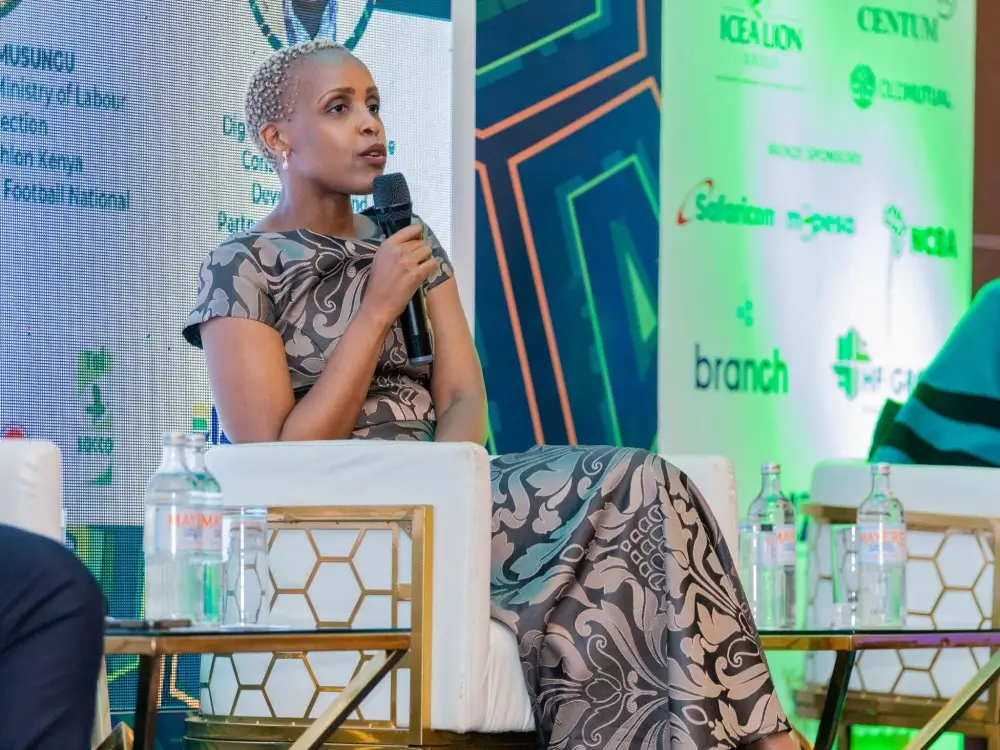
Phyllis Migwi’s transition from finance to technology signals something larger about the future of work. Career paths are no longer linear. They are dynamic. The individuals who thrive will not necessarily be those who chose the “right” field at the beginning, but those who continue redefining what they bring to the table.
In a tech-driven world, adaptability is not just professional advice. The choice to remain curious, to learn continuously, and to re-skill deliberately may determine career longevity, financial security, and intergenerational stability.
Before building a diversified portfolio of assets, it is worth asking: is there a diversified portfolio of skills? Because in an economy that rewards relevance, the greatest risk may not be market volatility. The greatest risk is standing still.
Watch more insights from the panel discussion held during the 4th Economic Empowerment Discussion:
Most Underrated Asset

CEO & Co-Founder, Abojani Investment
Robert Ochieng is a visionary entrepreneur and the co-founder of Abojani Investment, a leading financial education platform in Kenya that has empowered over 20,000 Africans to embark on their investment journeys. As CEO, he has demonstrated an unwavering commitment to financial literacy, successfully demystifying money and investments and making them accessible and relevant to individuals from all walks of life.
Running Thriving Investment Communities
Robert’s influence extends well beyond Abojani Investment’s core offerings. He has actively fostered a sense of community by running investment forums and groups with a vast following of over 300,000 Africans. These communities provide a safe space for individuals to exchange ideas, share experiences, and support each other on their investment journeys.
Vision for the Future
As co-founder of Abojani Investment, Robert envisions a financially empowered Africa. He strives to expand the reach of his financial education initiatives, enabling millions more to gain the knowledge and confidence needed to achieve their financial goals. His vision is to create a society where every individual has the tools and understanding to build lasting wealth and prosperity.
Professional Background
Robert Ochieng is a highly accomplished CEO at the helm of Abojani Investment, an investment and advisory firm in Kenya. He is a seasoned professional with over 14 years of experience in IT, Finance, and leadership.
His career includes key roles at prominent institutions such as Equity Bank, Gulf African Bank, Guaranty Trust Bank (GTBank) and Airtel.
Robert’s expertise has also been sought after by the National Treasury for consultancy on planning and budgeting systems, showcasing his exceptional knowledge and skills in the field. Passionate about driving meaningful conversations and collaborations between academia, industry, and the public sector, Robert actively engages in research projects focusing on digital transformation within the financial services sector. With his visionary leadership and strategic insights, Robert Ochieng continues to make a significant impact in the business world.