
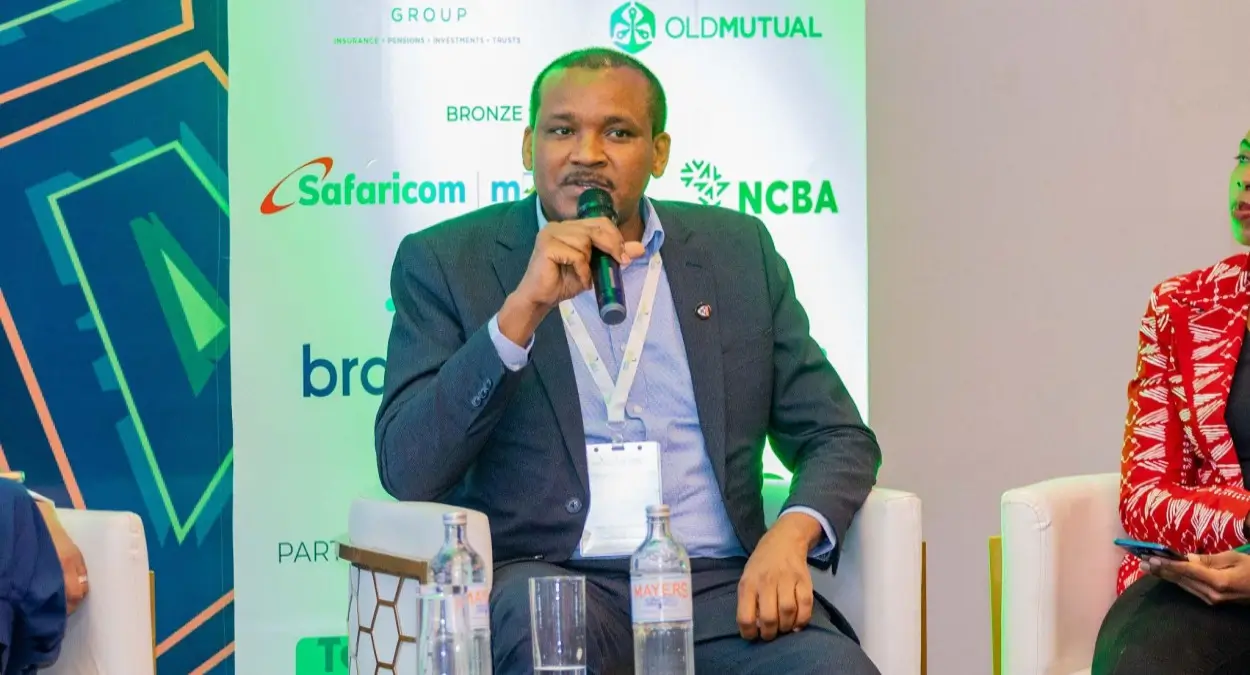
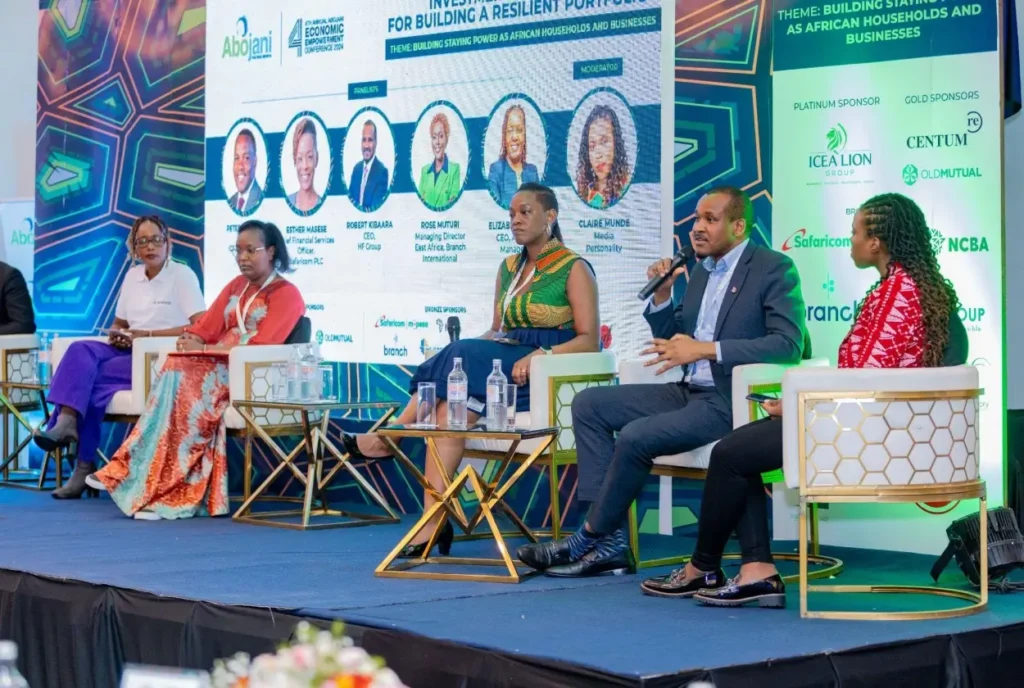
Access to financing is often seen as a milestone for small and medium-sized businesses. Loans, investor capital, or credit facilities can accelerate growth, fund expansion, or help smooth cash flow. Yet, as Robert Kibaara, CEO of HF Group, shared at Abojani’s 4th Economic Empowerment Conference, financing without proper preparation can quickly become a liability rather than a tool. He emphasized that strong record-keeping, solid business knowledge, and capacity-building initiatives are essential for sustainable growth. These are lessons too many SMEs learn the hard way.
Also read: 20 Nuggets from 20 Voices: Takeaways from Abojani’s 4th Economic Empowerment Conference
Kibaara’s own experience highlights this vividly. He once invested in a business he wasn’t actively involved in and entrusted its management to a relative. Despite the capital invested, the business failed, resulting in a loss of KES 9 million. The mistake wasn’t the money itself. It was the lack of engagement, oversight, and accountability. This story is a warning for SMEs: capital alone cannot fix gaps in management, strategy, or operational knowledge.

The lesson is clear. Lenders and investors are not just looking at your capital needs; they are evaluating your competence and discipline. Can you demonstrate accurate financial records? Do you understand your revenue streams, costs, and cash flow? Can you explain how the funds will generate sustainable returns? Businesses that lack these foundations often struggle to secure financing, and even when they do, mismanagement can turn an opportunity into a costly setback.
Capacity-building matters just as much as capital. Entrepreneurs need skills in bookkeeping, financial analysis, operations management, and strategic planning. Training and upskilling ensure that funding is deployed effectively, rather than spent reactively or inefficiently. Kibaara’s advice encourages SMEs to view financing not as a shortcut to growth, but as a strategic tool that amplifies what is already in place. Without strong systems and knowledge, money may flow in, but losses can accumulate faster.
There is also a human element to this lesson. Many SME owners rely on family or friends to run businesses, believing trust alone is enough. But trust without accountability can lead to misaligned decisions, mismanaged funds, or even breakdowns in operations. Being actively involved does not mean micromanaging; it means understanding your business deeply enough to make informed decisions, identify risks, and support those you delegate tasks to effectively.
SME financing works best when entrepreneurs combine money with preparation, engagement, and discipline. Funding accelerates growth, but only for businesses ready to manage it responsibly. Kibaara’s story serves as both caution and guidance: investments amplify what is already in place, whether strong foundations or hidden weaknesses. For SMEs, the path to sustainable growth lies in building capacity, staying engaged, and treating financing as a tool, not a crutch.