
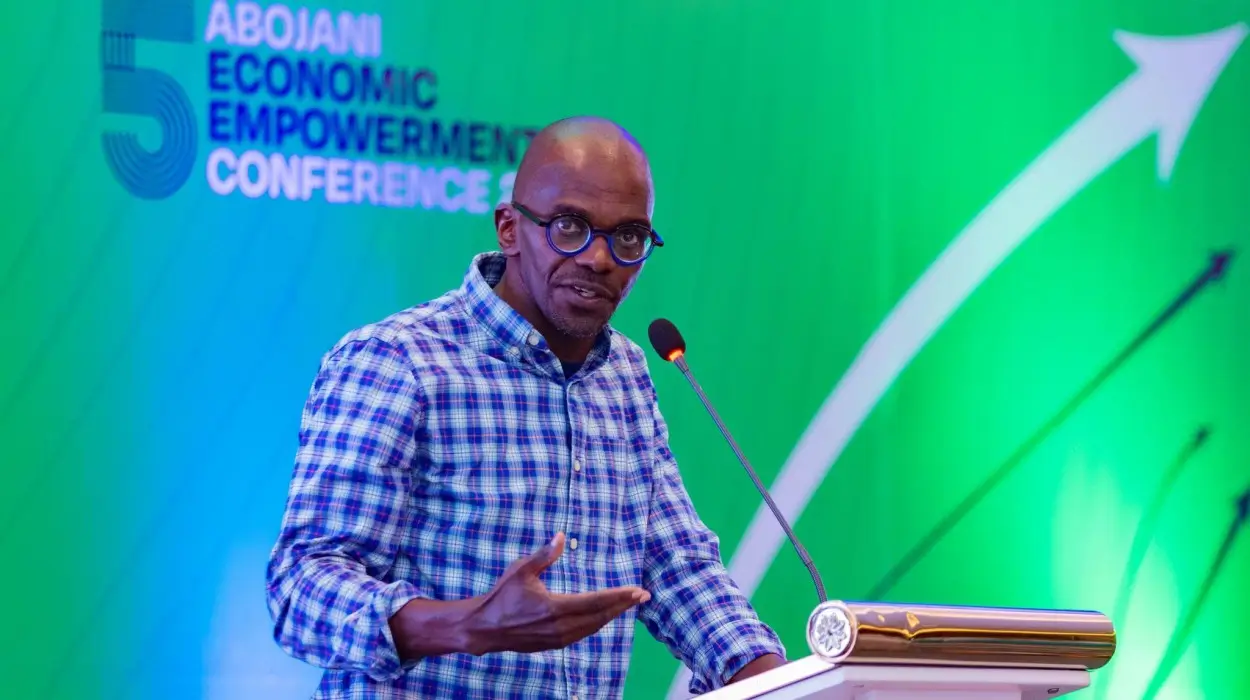
The 5th Abojani Economic Empowerment Conference brought together a diverse group of leaders, practitioners, and industry experts to explore what Ownership Economy & Self-Sustenance look like for African households and businesses today. Among the institutions that enriched the conversation was NCBA Group, whose senior leaders contributed timely and forward-looking insights on Kenya’s economic landscape and the investment opportunities shaping 2026.
Through the perspectives of Raphael Agung’, Group Director Global Markets, and Muathi Kilonzo, Managing Director at NCBA Investment Bank, the audience gained a clearer understanding of how stability, strategy, and informed decision-making can drive prosperity for households and businesses.
Also read: Making Home Ownership a reality: A practical guide for first-time buyers
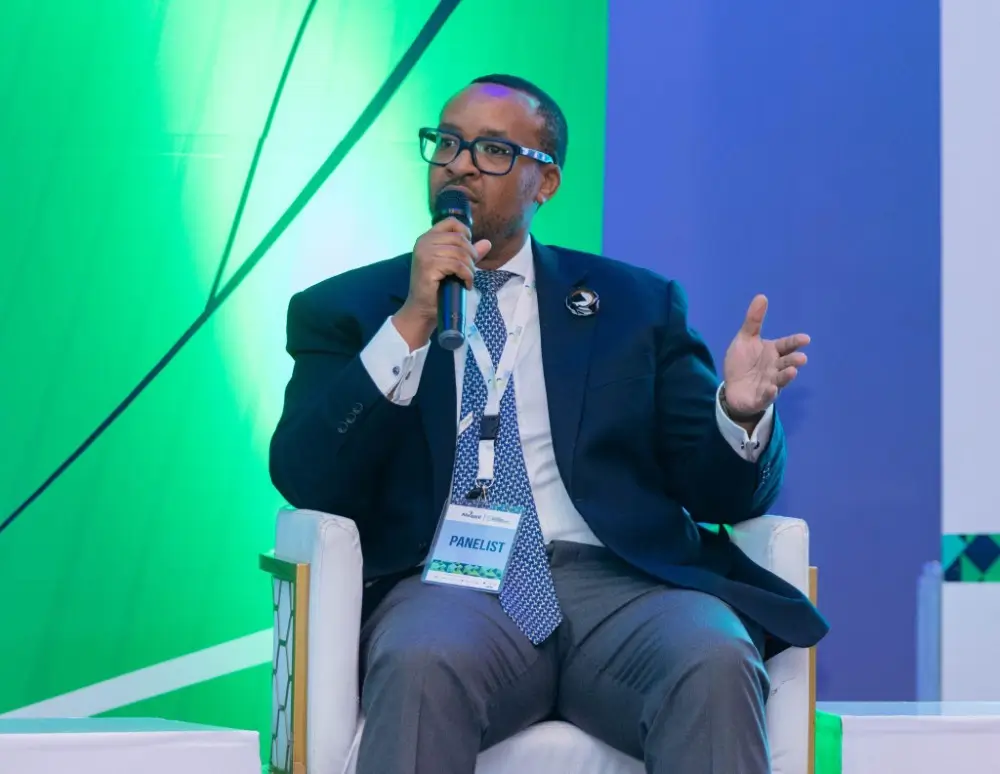
Raphael noted that 2025 has been a year defined by stability especially in the areas that directly affect families and businesses. Prices that influence the daily financial experience of Kenyans have remained steady, and the Kenyan shilling has shown what he termed “disturbing stability,” amidst global volatility. He pointed out that the country’s macroeconomic indicators remain strong, supported by resilient GDP growth, improved debt management, and manageable inflation. In a global environment still shaped by shocks and shifting US monetary policies, Kenya’s calm economic foundation creates a strong base for investor confidence.
He also broke down the “price of money” in a simple but powerful way: in terms of time (interest rates), in relative value (exchange rates), and in purchasing power (inflation). These three elements shape how people experience money daily and influence investment decisions. With global volatility persisting, Raphael emphasized the importance of diversification. This is an essential step for any investor seeking stability and growth in uncertain times. He also spoke about the need to distinguish between income and wealth, highlighting that while income supports day-to-day living, wealth is what safeguards the future. Understanding this difference is key to choosing the right investment strategies.
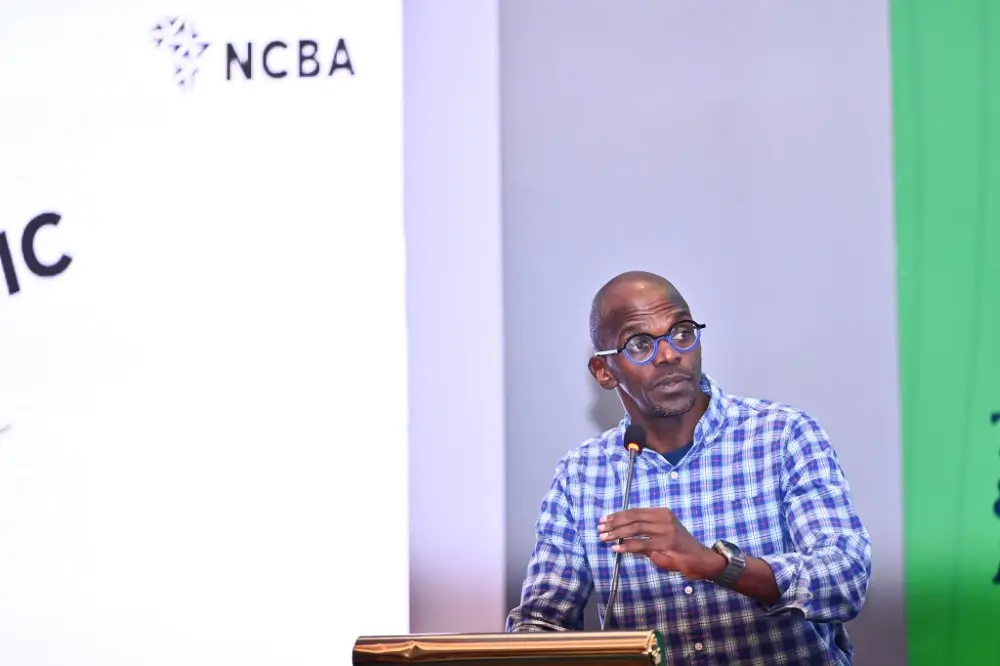
Muathi added a broader perspective on investment opportunities, particularly in Africa. He noted that global conditions are becoming increasingly favourable for African markets, drawing parallels to the opportunity-rich environment of 2009. Even though global capital today faces more competition and is spread across more destinations, Africa remains attractive for investors seeking higher returns and long-term growth. He emphasized that domestically driven economies like Kenya’s tend to be more resilient, especially as foreign aid reduces, making it even more important for households and businesses to take an active role in building and investing locally.
One of Muathi’s strongest points was around equity funds, which he described as the most misunderstood investment products, despite being where long-term returns are generated. While money market funds have become popular, helped by easier access to information, they largely mirror movements in interest rates. Equity funds, on the other hand, give everyday Kenyans access to diversified portfolios even with small amounts. As he explained, you cannot buy 30 individual stocks with KES 1,000, but you can gain exposure to that many companies through an equity fund.
He also encouraged a more intentional approach to investing – being strategic with tax planning, prioritizing reputable institutions, and thinking carefully about what protects you now and what protects you in the long term. He reminded the audience that markets move not only on fundamentals but also on sentiment and information flow. Volatility, he said, is not inherently negative; in many markets, including the US, investors actively participate because volatility creates opportunity.
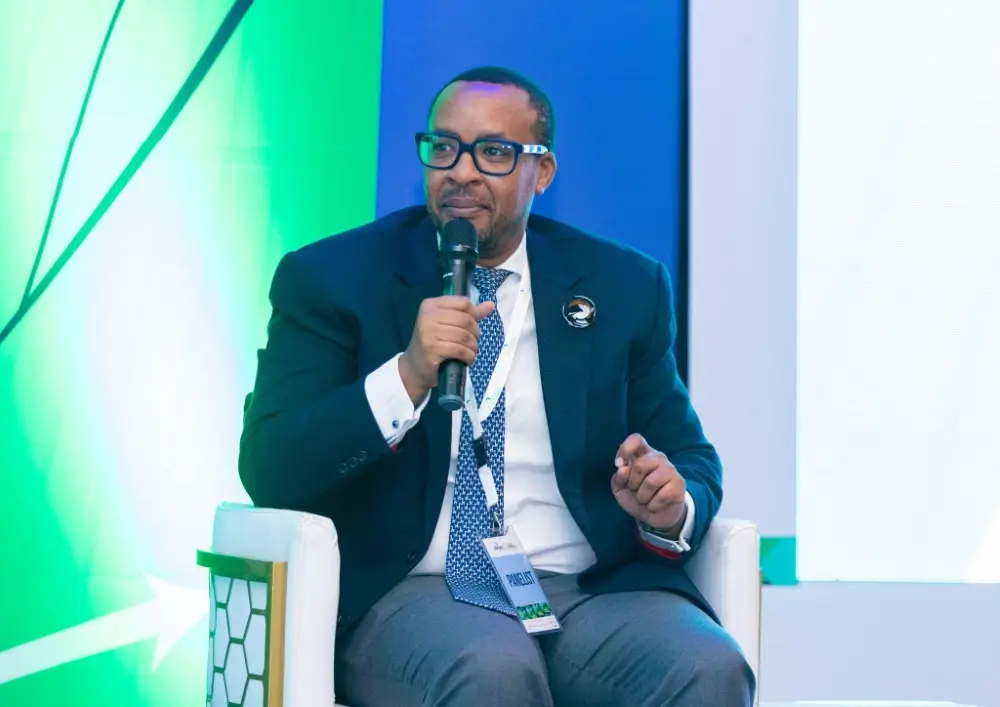
Both Raphael and Muathi reflected on the growing financial literacy across the country, noting that more people now understand investment products than ever before. As Muathi humorously observed, even grandparents today are familiar with money market funds. This growing awareness is reshaping Kenya’s investment culture, encouraging more people to participate, but also calling for more careful, informed decision-making.
Taken together, the perspectives shared by NCBA’s leaders relayed a clear message: Kenya is entering 2026 from a position of stability and opportunity. For households and businesses committed to ownership, resilience, and long-term prosperity, this is a defining moment to build intentionally, diversify wisely, and make strategic financial decisions. NCBA’s contribution to the conversation highlighted where we stand today and the possibilities ahead for those ready to take ownership of their financial future.