
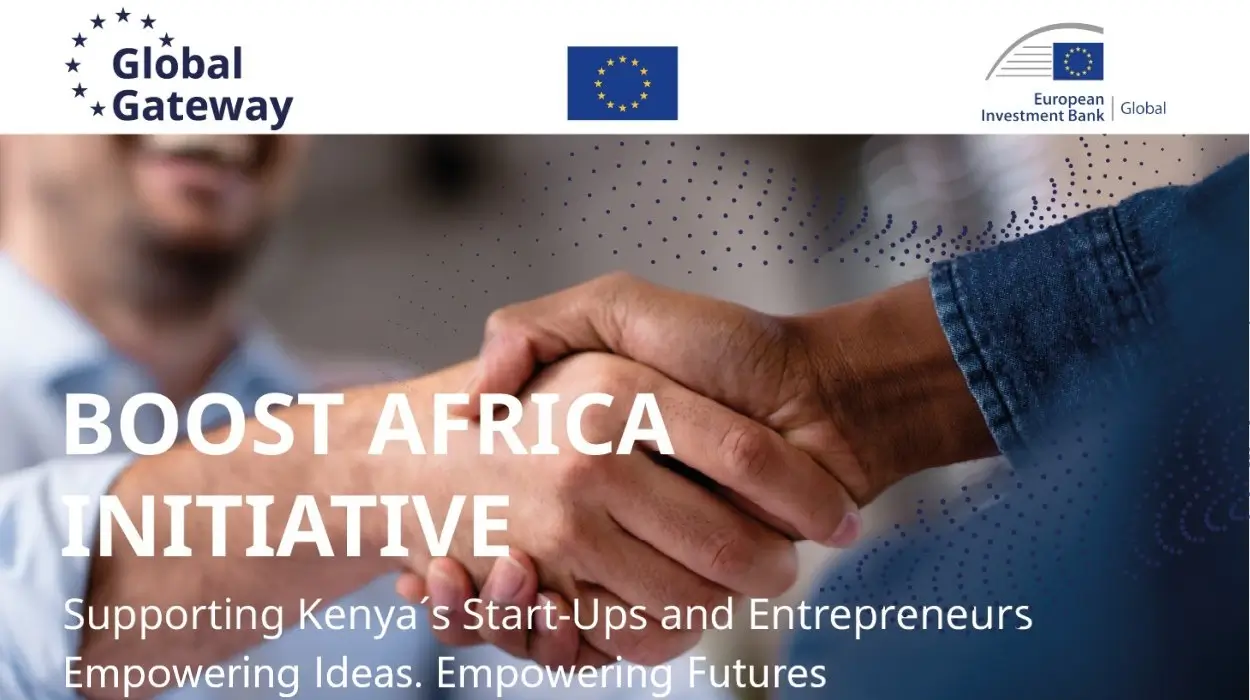
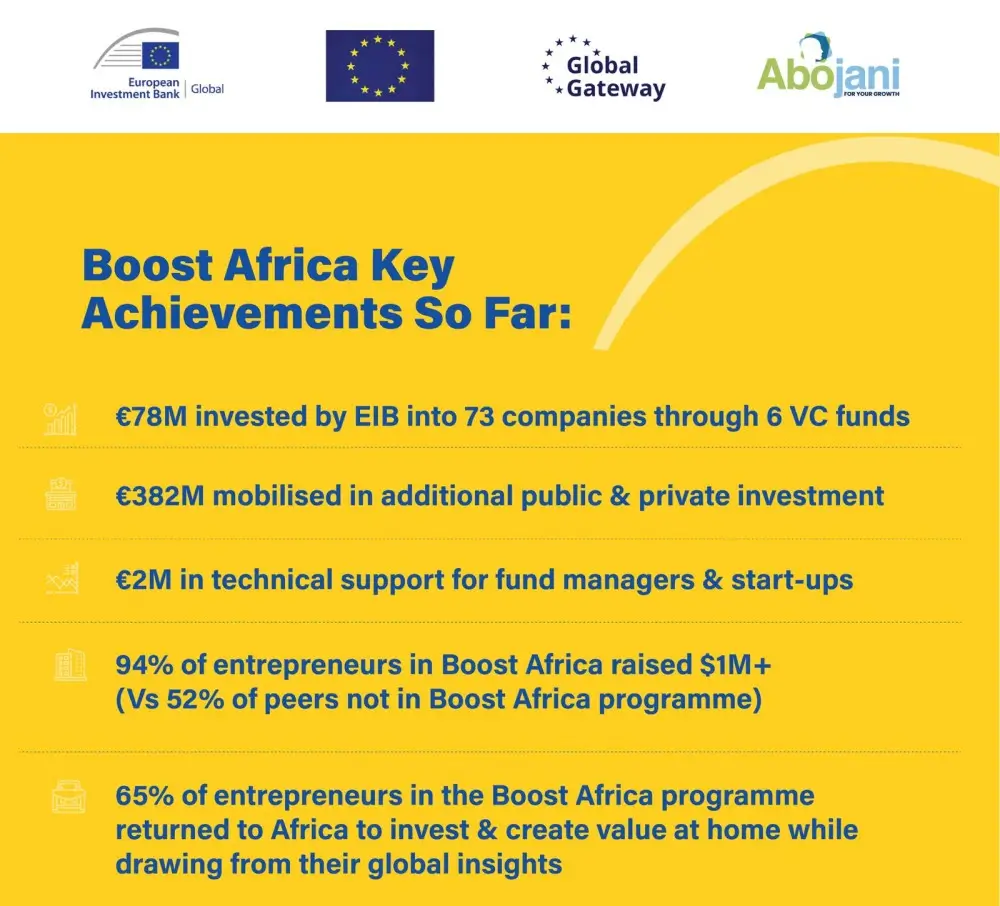
When you hear about Boost Africa, it’s easy to assume that funding goes straight to startups. But Boost Africa takes an ecosystem-first approach, investing not directly in startups, but through carefully chosen intermediaries. Understanding how these intermediaries work is important to seeing why the programme has such a transformative impact.
Why Intermediaries? Why Not Direct Investment?
Startups don’t exist in isolation. They grow within networks, supported by investors, accelerators, incubators, and mentors who understand the unique challenges of early-stage businesses. Boost Africa recognizes this.
Instead of funding individual startups, the programme invests in specialized intermediaries who already have the expertise, infrastructure, and networks to identify and nurture high-potential SMEs. This strategy ensures that funding reaches the businesses that are most ready to scale efficiently and effectively.
Also read: Understanding Venture Capital Funding and other Financing options in Kenya
Who Are These Intermediaries?
Boost Africa’s intermediaries fall into several categories:
- Venture capital funds: Investing in innovative, high-growth startups.
- Angel co-investment vehicles: Pooling private investors to back early-stage companies.
- Business incubators and accelerator funds: Providing mentorship, training, and funding to emerging businesses.
- Other non-bank financial intermediaries: Specialized organizations that manage funding for SMEs.
These can be existing funds, later-stage funds, or even new “greenfield” funds that are commercially viable and designed to target Africa’s innovation ecosystem.
Who is Eligible to Become an Intermediary?
Boost Africa supports intermediaries that:
- Invest in startups and early-stage SMEs with an innovation focus.
- Aim to build structured funding mechanisms for the SMEs they support.
- Operate in a commercially viable manner, capable of managing and scaling investments.
Every potential intermediary is carefully vetted by the European Investment Bank and the African Development Bank teams. Selection considers:
- Geographic balance to ensure impact across regions.
- The commercial sustainability of the fund or accelerator.
- The fund manager’s capacity to succeed with high-potential businesses.
The Role of Intermediaries in Boost Africa
Intermediaries are more than just a channel for capital. They are the engines that make the ecosystem work:
- They identify promising startups ready for growth.
- They provide mentorship, coaching, and guidance alongside funding.
- They strengthen the entrepreneurial ecosystem, creating repeatable pathways for success.
By focusing on intermediaries, Boost Africa can multiply its impact, supporting the individual startups and the systems that allow hundreds of SMEs to thrive over time.
Why Does This Approach Work?
Direct investment in startups can be risky and limited in reach. Boost Africa’s intermediary-focused model:
Ensures funding goes to startups that are ready to grow.
Leverages the expertise of seasoned investors and incubators.
Creates a self-sustaining ecosystem that can continue supporting innovation long after the initial investment.
Based on this understanding, we can see that Boost Africa doesn’t just provide capital. The programme builds the foundation for a thriving, high-growth entrepreneurial ecosystem in Africa. By empowering the right funds, accelerators, and incubators, the programme ensures that African startups receive more than money. They gain access to the guidance, networks, and ecosystem support needed to succeed.
#Boost Africa

CEO & Co-Founder, Abojani Investment
Robert Ochieng is a visionary entrepreneur and the co-founder of Abojani Investment, a leading financial education platform in Kenya that has empowered over 20,000 Africans to embark on their investment journeys. As CEO, he has demonstrated an unwavering commitment to financial literacy, successfully demystifying money and investments and making them accessible and relevant to individuals from all walks of life.
Running Thriving Investment Communities
Robert’s influence extends well beyond Abojani Investment’s core offerings. He has actively fostered a sense of community by running investment forums and groups with a vast following of over 300,000 Africans. These communities provide a safe space for individuals to exchange ideas, share experiences, and support each other on their investment journeys.
Vision for the Future
As co-founder of Abojani Investment, Robert envisions a financially empowered Africa. He strives to expand the reach of his financial education initiatives, enabling millions more to gain the knowledge and confidence needed to achieve their financial goals. His vision is to create a society where every individual has the tools and understanding to build lasting wealth and prosperity.
Professional Background
Robert Ochieng is a highly accomplished CEO at the helm of Abojani Investment, an investment and advisory firm in Kenya. He is a seasoned professional with over 14 years of experience in IT, Finance, and leadership.
His career includes key roles at prominent institutions such as Equity Bank, Gulf African Bank, Guaranty Trust Bank (GTBank) and Airtel.
Robert’s expertise has also been sought after by the National Treasury for consultancy on planning and budgeting systems, showcasing his exceptional knowledge and skills in the field. Passionate about driving meaningful conversations and collaborations between academia, industry, and the public sector, Robert actively engages in research projects focusing on digital transformation within the financial services sector. With his visionary leadership and strategic insights, Robert Ochieng continues to make a significant impact in the business world.