
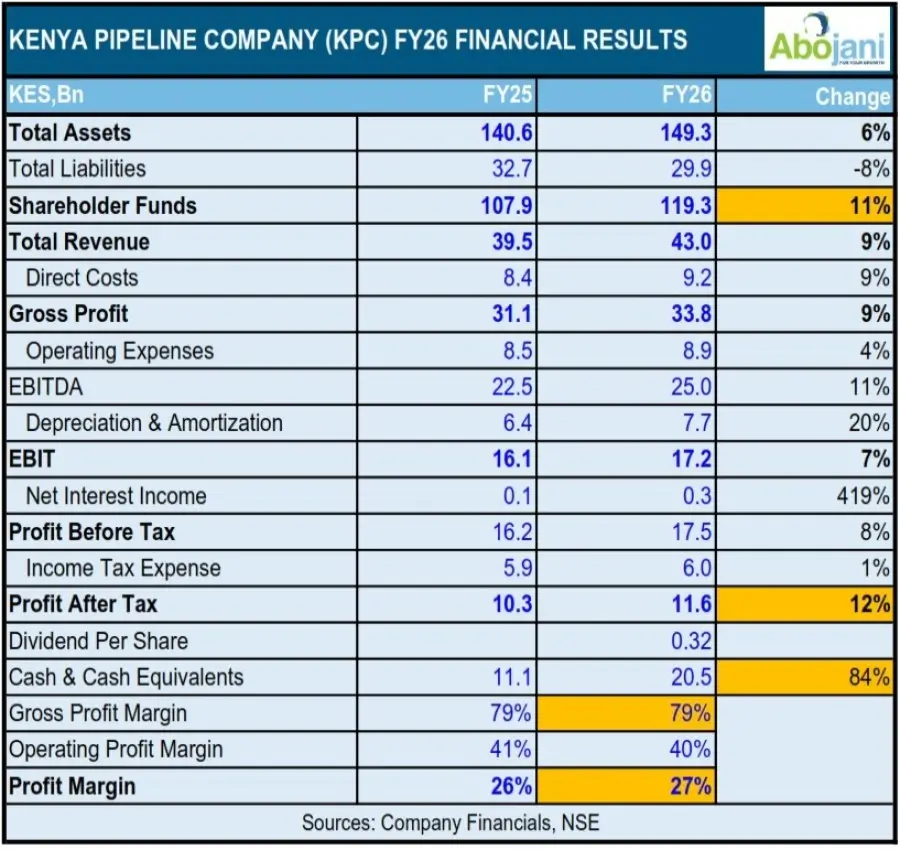
Kenya Pipeline Company PLC has reported strong financial performance for the financial year 2026 KPC FY26, with Group revenue growing 9% to KShs 43 billion from KShs 39.5 billion in the previous financial year, supported by a 7% increase in local and transit volumes.
The results, announced on 14 October 2026, mark the Company’s first full-year financial performance since its privatization and listing on the Nairobi Securities Exchange (NSE) earlier this year.
Profit before tax increased to KShs 17.54 billion, while profit after tax rose 13% to KShs 11.58 billion from KShs 10.24 billion in the previous financial year, reflecting continued revenue growth and improved operational efficiency.
Despite a challenging operating environment characterized by global petroleum price fluctuations and supply volatility linked to the Middle East crisis, the Company maintained its growth momentum while improving operating cost efficiencies.
Also read: Understanding Kenya Pipeline Company Valuation: A Breakdown of How KPC Was Valued
Revenue Growth Anchored in Core Operations
Transportation remains the backbone of KPC’s business, accounting for the bulk of its revenue. Transport revenue increased 8% to KShs 41.82 billion from KShs 38.59 billion in the previous financial year, supported by a 7% increase in local and transit volumes.
During FY2026, the Company transported approximately 10.6 billion litres of petroleum products through its extensive pipeline network, underscoring the role of its infrastructure in facilitating fuel distribution across Kenya and the wider region.
KPC operates approximately 1,342 kilometres of pipeline, supported by strategically located storage depots, pumping stations and loading facilities. Its active storage capacity stands at approximately 1.14 billion litres, providing the infrastructure needed to receive, store and move petroleum products to inland markets and regional destinations.
The Company’s scale and established position within the petroleum supply chain provide a foundation for its financial performance. By facilitating the movement of fuel from the Port of Mombasa to inland markets, KPC plays a central role in supporting Kenya’s energy supply and regional trade.
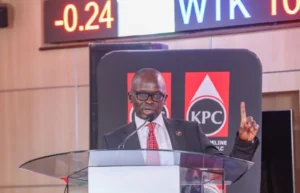
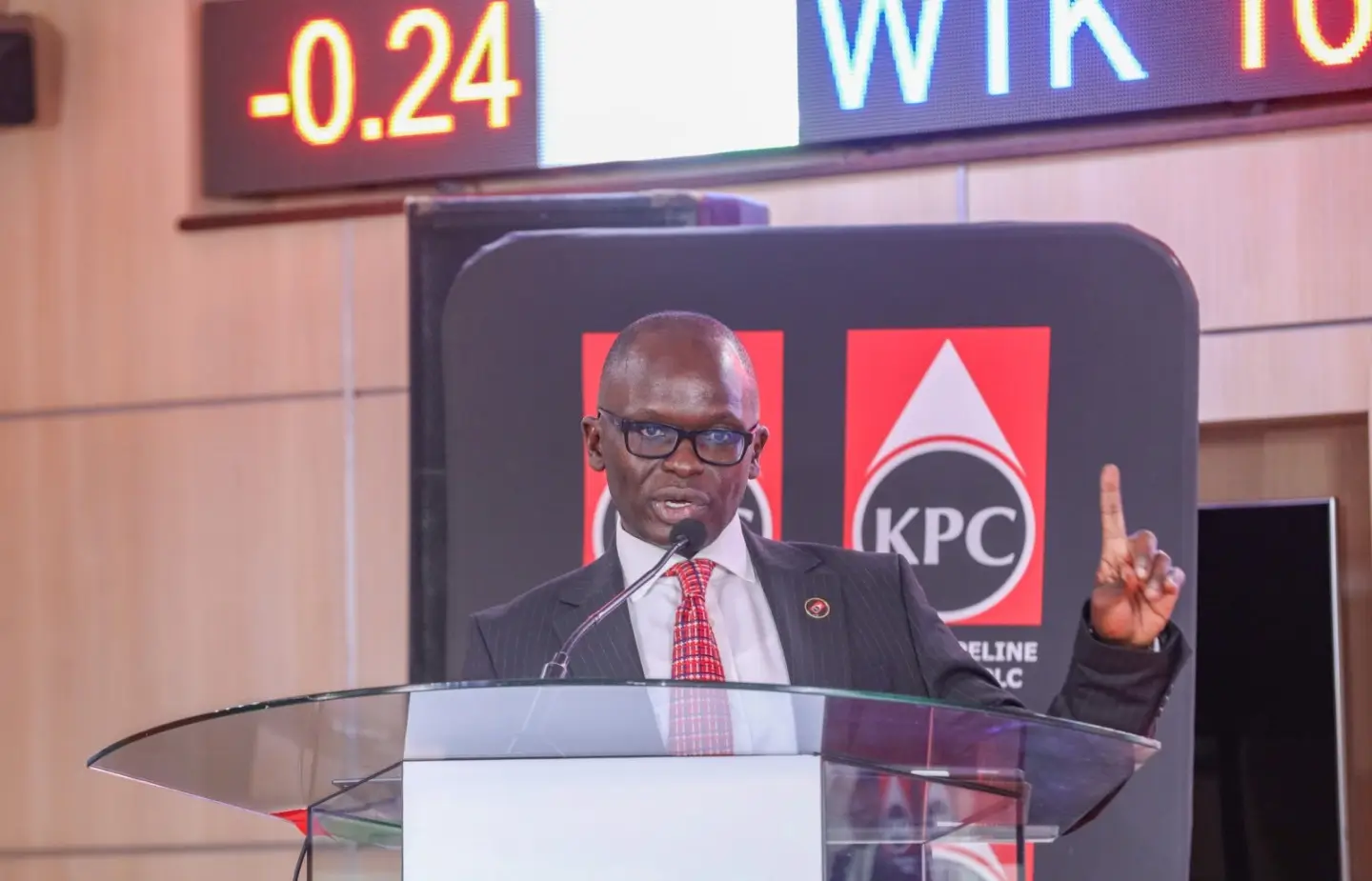
KPC Acting Chief Executive Officer and Managing Director Pius Mwendwa attributed the results to sustained revenue growth, improved operational efficiency, product availability and stronger cash generation from the Company’s core business.
The improvement in profitability was also reflected in earnings before interest, taxes, depreciation and amortisation (EBITDA), which rose 11% to KShs 25 billion from KShs 22.5 billion. Gross profit increased to KShs 33.8 billion from KShs 31.1 billion, indicating continued growth in the Company’s underlying operations.
Strong Cash Generation and Balance Sheet
KPC’s financial performance was accompanied by a substantial improvement in cash generation and liquidity.
Cash from operating activities increased 34.3% to KShs 17.39 billion from KShs 12.94 billion in FY2025. Meanwhile, cash and cash equivalents rose 84.4% to KShs 20.54 billion from KShs 11.14 billion.
The increase in cash balances came even as investing outflows rose to KShs 4.48 billion from KShs 2.52 billion, reflecting higher cash expenditure on investment activities during the year.
A stronger operating cash flow position is particularly relevant as KPC pursues capital-intensive infrastructure projects and explores opportunities beyond its traditional transportation and storage operations. Cash generation provides an important source of funding flexibility, although the scale and timing of future projects will determine the resources required to execute its expansion strategy.
The Company’s balance sheet also strengthened. Total assets increased approximately 5.9% to KShs 149.3 billion, while shareholders’ equity grew 10.6% to KShs 119.3 billion. Borrowings declined by approximately 83% to about KShs 442.86 million, reflecting debt reduction during the financial year. Current assets rose to KShs 29.7 billion, while the current ratio improved from 2.40 times to 4.65 times. This indicates a stronger position to cover short-term obligations using current assets.
These developments provide KPC with a stronger financial foundation as it balances investment in future growth with its responsibilities to shareholders and other stakeholders.
Kipevu Trading Hub to Drive Revenue Diversification
Beyond its core pipeline transportation and storage business, KPC is pursuing a strategy to diversify its revenue streams and expand its regional footprint.
A key component of this strategy is the planned development of an integrated petroleum trading hub at the Kenya Petroleum Refineries Limited (KPRL) facilities in Kipevu, Mombasa. As a wholly owned subsidiary of KPC, KPRL provides a platform for the Company to explore new opportunities across the energy and logistics value chain.
KPC Chairperson Faith Bett-Boinett said the initiative would strengthen the Company’s long-term growth prospects, resilience and regional influence.
The proposed trading hub is expected to offer transhipment, bulk breaking, bunkering and re-export services to regional markets. KPC is also exploring opportunities in petroleum storage, liquefied petroleum gas (LPG), liquefied natural gas (LNG), biofuels, power generation and services supporting third-party petroleum trading operations.
These initiatives are intended to unlock additional value from the Company’s existing assets while positioning it to respond to changing energy demand and emerging regional trade opportunities.
The planned development comes amid other developments in the regional energy sector, including the proposed Dangote East Africa Petroleum Refinery and Petrochemicals Special Economic Zone and upstream oil projects in South Lokichar. These developments could create opportunities for expanded petroleum logistics, storage and regional trading services.
KPC’s expansion strategy also includes plans to extend its pipeline infrastructure from Eldoret towards Kampala and Kigali, strengthening connections to regional markets. The launch of Uganda’s 320-million-litre Kampala Storage Terminal is another development that could support the Company’s regional growth ambitions.
Shareholders to Receive KShs 5.9 Billion Dividend
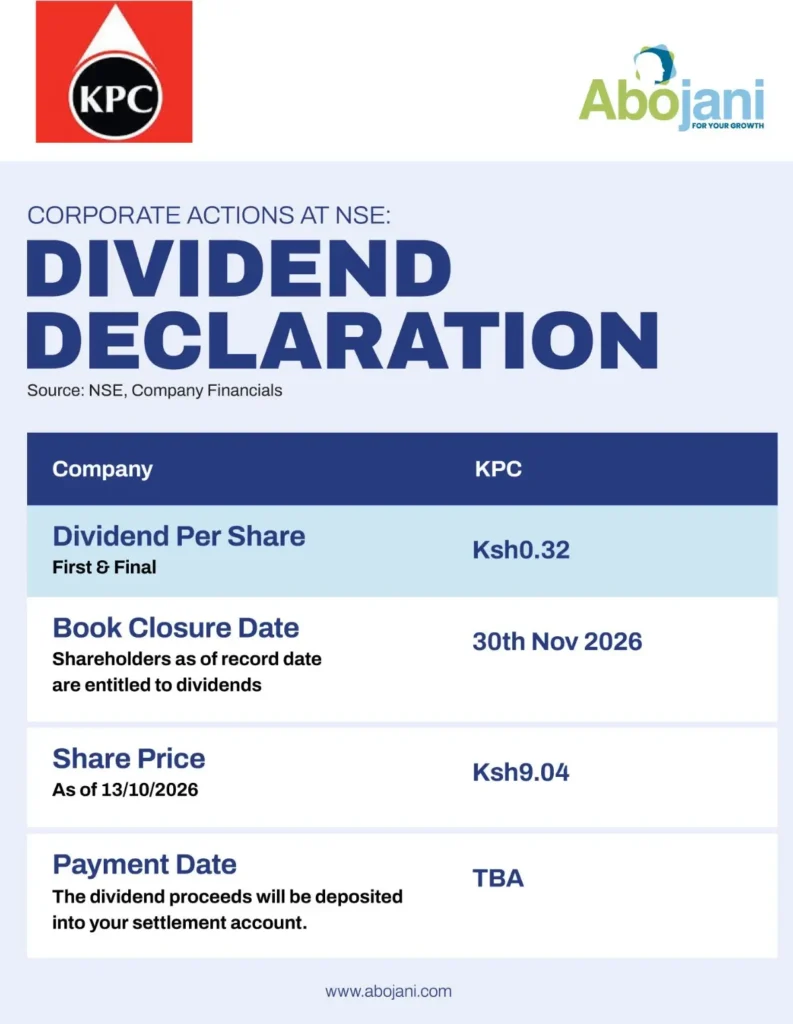
Alongside its growth plans, KPC has recommended a first and final dividend of KShs 5.9 billion for FY2026, equivalent to KShs 0.32 per ordinary share. The share register is scheduled to close on 30 November 2026, according to the Company’s announcement.
For investors, the results provide several indicators to assess: the consistency of revenue growth, the conversion of operating activity into cash, the sustainability of profitability and the Company’s ability to fund expansion while maintaining shareholder distributions.
KPC’s FY2026 performance demonstrates the continued importance of its core infrastructure business in supporting earnings and cash generation. Its next phase will be defined by how effectively it builds on that foundation to expand regional operations, develop complementary energy and logistics services, and progress towards its FY2030 revenue ambition.
As KPC transitions from its first full financial year as a listed company into a new period of strategic expansion, the focus will increasingly be on delivering growth while preserving operational efficiency, financial resilience and long-term value for shareholders.
#KPC 2026 #FullYearFinancialResults #FuellingGrowth

CEO & Co-Founder, Abojani Investment
Robert Ochieng is a visionary entrepreneur and the co-founder of Abojani Investment, a leading financial education platform in Kenya that has empowered over 20,000 Africans to embark on their investment journeys. As CEO, he has demonstrated an unwavering commitment to financial literacy, successfully demystifying money and investments and making them accessible and relevant to individuals from all walks of life.
Running Thriving Investment Communities
Robert’s influence extends well beyond Abojani Investment’s core offerings. He has actively fostered a sense of community by running investment forums and groups with a vast following of over 300,000 Africans. These communities provide a safe space for individuals to exchange ideas, share experiences, and support each other on their investment journeys.
Vision for the Future
As co-founder of Abojani Investment, Robert envisions a financially empowered Africa. He strives to expand the reach of his financial education initiatives, enabling millions more to gain the knowledge and confidence needed to achieve their financial goals. His vision is to create a society where every individual has the tools and understanding to build lasting wealth and prosperity.
Professional Background
Robert Ochieng is a highly accomplished CEO at the helm of Abojani Investment, an investment and advisory firm in Kenya. He is a seasoned professional with over 14 years of experience in IT, Finance, and leadership.
His career includes key roles at prominent institutions such as Equity Bank, Gulf African Bank, Guaranty Trust Bank (GTBank) and Airtel.
Robert’s expertise has also been sought after by the National Treasury for consultancy on planning and budgeting systems, showcasing his exceptional knowledge and skills in the field. Passionate about driving meaningful conversations and collaborations between academia, industry, and the public sector, Robert actively engages in research projects focusing on digital transformation within the financial services sector. With his visionary leadership and strategic insights, Robert Ochieng continues to make a significant impact in the business world.