
Across Africa’s entrepreneurial landscape, ambition is abundant. Entrepreneurs are building solutions that respond directly to local needs, creating businesses in environments often marked by limited infrastructure, fragmented markets, and constrained access to capital. Yet for many African entrepreneurs, one question quietly shapes every funding conversation: Ownership or Growth?
Is growth worth giving up ownership?
It is a question rooted in history, context, and lived experience. Understanding this tension is essential to understanding why many promising African businesses remain underfunded and how initiatives like Boost Africa may be underutilised.
For many African founders, ownership is not just a financial stake, it is security. It is autonomy. It is protection against uncertainty.
Also read: Understanding Boost Africa Intermediaries
Unlike in more mature markets, where safety nets are stronger and entrepreneurial failure is often seen as a stepping stone, failure in African contexts can be devastating. Businesses are frequently built with personal savings, family contributions, or community support. In many cases, a company is not only a founder’s livelihood, but also the economic anchor for extended networks of dependents.
In this context, equity is deeply personal. Giving it up can feel like surrendering control over one’s future or worse, risking the loss of something built against overwhelming odds.
This helps explain why many African entrepreneurs hesitate to seek venture capital or resist equity-based funding altogether. The reluctance is not a lack of ambition. It is a rational response to structural vulnerability.
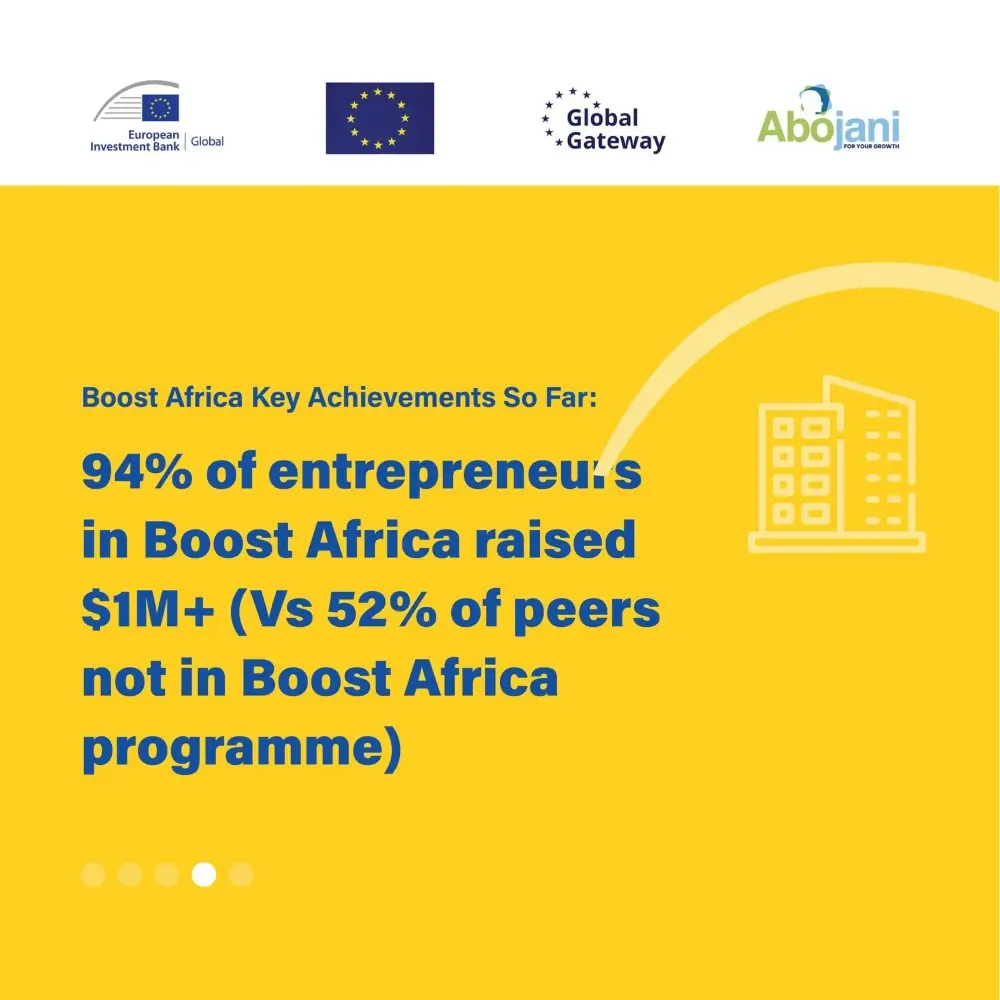
Traditional venture capital models are built on assumptions that do not always align neatly with these realities. Expectations around rapid scaling, aggressive market capture, and quick exits can feel disconnected from the pace at which many African markets evolve.
Founders are often encouraged to “grow fast,” yet must simultaneously navigate regulatory uncertainty, infrastructure gaps, talent shortages, and fragmented demand.
As a result, many entrepreneurs opt for slower, self-financed growth, preserving ownership but limiting scale. Others accept capital without adequate support, only to struggle under expectations they were never equipped to meet.
There needs to be a change in entrepreneur mindset for initiatives like Boost Africa to work effectively.
Growth Without Losing the Plot
Boost Africa recognizes that growth and ownership should not be framed as opposing forces. The real challenge is not whether founders retain equity, but whether they grow in a way that is sustainable, informed, and aligned with their long-term vision.
As a joint initiative of the European Investment Bank and the African Development Bank with support from the European Union, Boost Africa supports early-stage venture capital funds across Africa, while pairing financial investment with a robust Technical Assistance Facility. This dual approach is critical.
Rather than pushing capital alone, the programme strengthens both fund managers and portfolio companies. It invests in governance, financial discipline, ESG frameworks, operational readiness, and strategic planning, the elements that help founders make better decisions about growth and ownership.
When entrepreneurs understand their numbers, governance obligations, and growth pathways, equity discussions change. Ownership becomes a tool, not a threat.
One of the most important shifts Boost Africa encourages is reframing equity investment as partnership rather than loss of control.
Through patient capital structures and long-term engagement, the programme helps create an environment where founders are supported to build businesses that are investment-ready on their own terms.
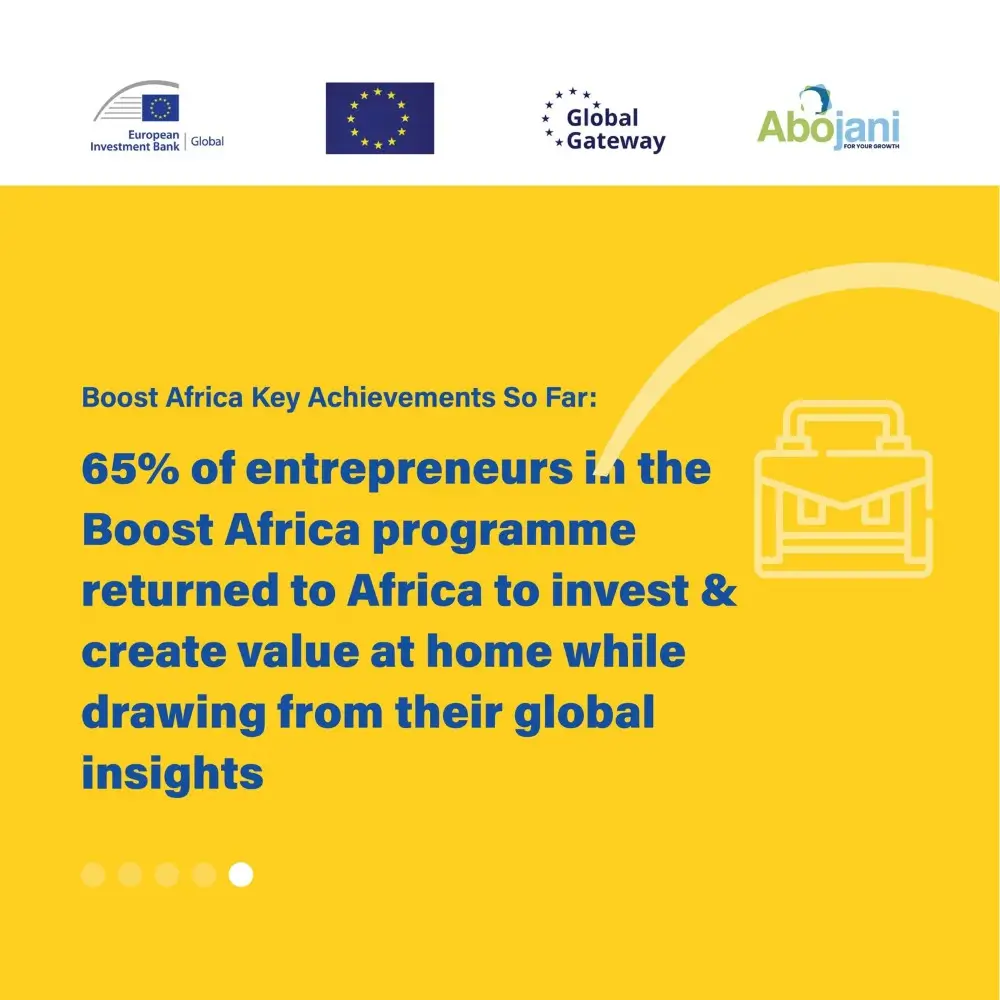
This approach allows founders to negotiate from a position of strength. It enables them to choose investors aligned with their mission, timelines, and impact goals. In doing so, Boost Africa helps demystify venture capital for African entrepreneurs. Equity is no longer an abstract or intimidating concept. It becomes part of a broader growth strategy grounded in clarity and trust.
But the ownership-versus-growth tension does not exist on the founder side alone. Investors, too, often struggle to assess risk in early-stage African markets.
By strengthening fund managers and portfolio companies simultaneously, Boost Africa reduces uncertainty across the ecosystem. Better governance and clearer growth trajectories make companies more credible. More credible companies attract more patient, long-term capital.
This virtuous cycle is essential for building a self-sustaining venture capital ecosystem; one that draws both domestic and international investors.
Africa does not need to replicate Silicon Valley’s growth playbook to succeed. It needs capital models that respect local realities while unlocking ambition.
Boost Africa’s contribution lies in recognizing that sustainable growth is tied to how well a company is prepared to scale. By combining finance with skills, structure, and patience, it is helping founders navigate that balance, turning equity into an enabler of progress rather than a point of fear.