
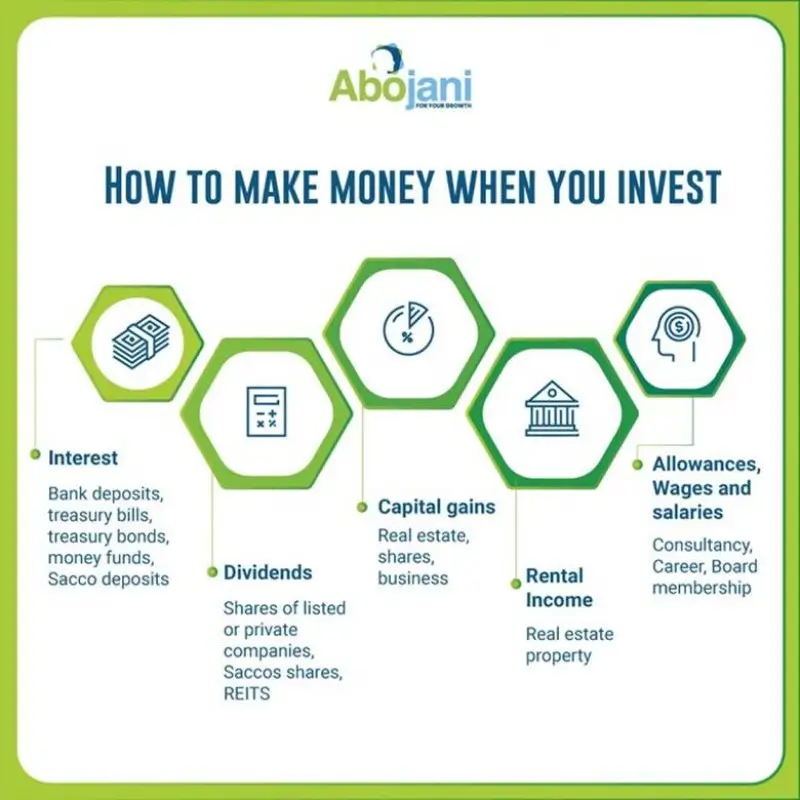
Every asset class has its place in a financial journey. Cash provides liquidity. Bonds provide stability. Stocks/equities offer growth. Real estate, however, plays a different role. It sits at the intersection of stability, income generation, and legacy building.
But real estate is not usually the first step in a portfolio. Before property, there should be financial foundations. These are emergency savings, stable income, and a clear understanding of long-term goals. Property requires patience, capital, and commitment. It is illiquid, capital-intensive, and often financed with debt. Entering too early, without preparation, can strain finances rather than strengthen them.
Also read: Making Home Ownership a reality: A practical guide for first-time buyers
Once the basics are in place, real estate can become a powerful wealth-building tool.
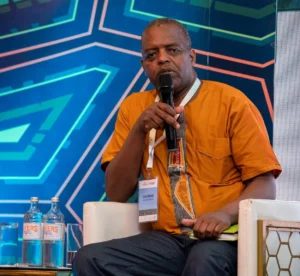
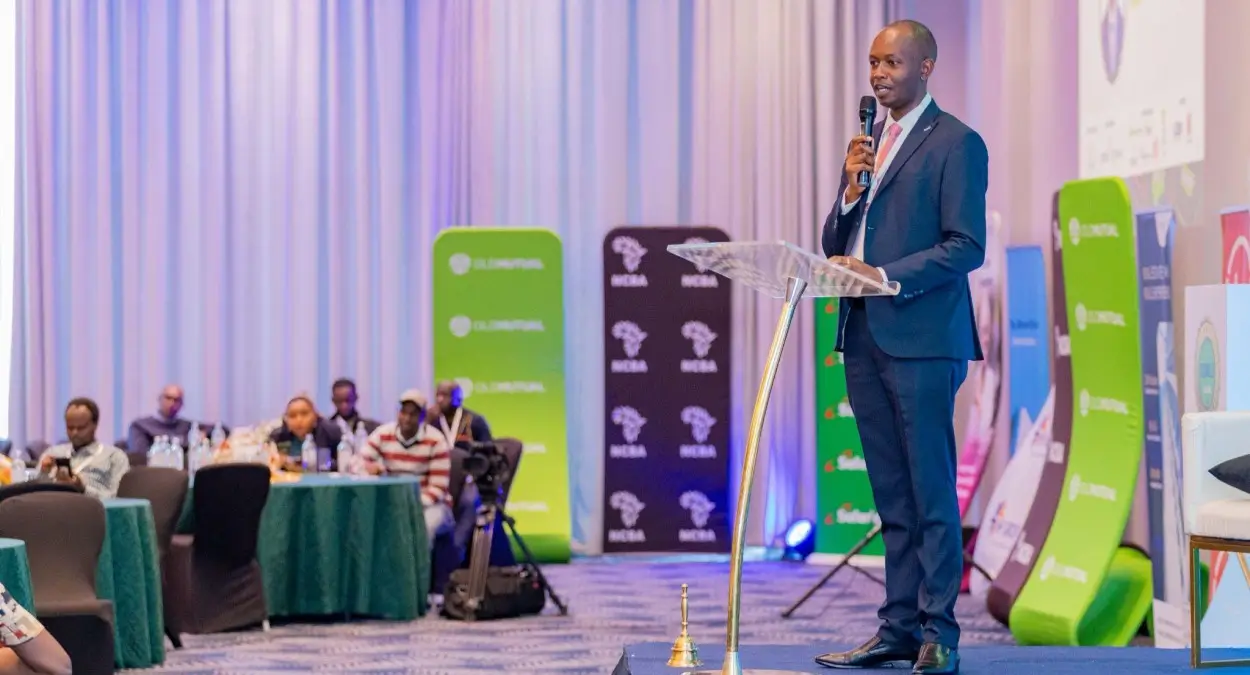
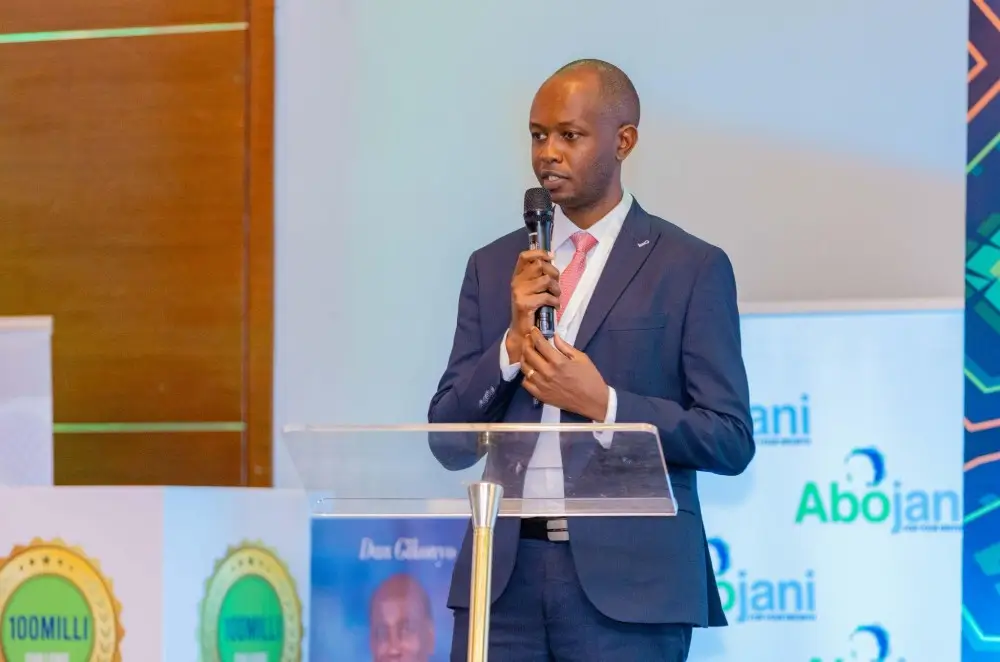
At Abojani’s 4th Economic Empowerment Conference, Kenneth Mbae, Managing Director of Centum Real Estate, emphasized that real estate remains one of the most reliable paths to sustainable wealth creation and generational legacy. Unlike many financial assets, property can serve both present and future needs. A home provides security. A rental property can generate steady income. And both can be passed down, extending their value beyond one generation.
This long-term nature is what sets real estate apart. It forces discipline. Mortgage payments build equity over time. Rental income can offset debt and eventually create surplus cash flow. Inherited property, when well managed, can give the next generation a stronger starting point.
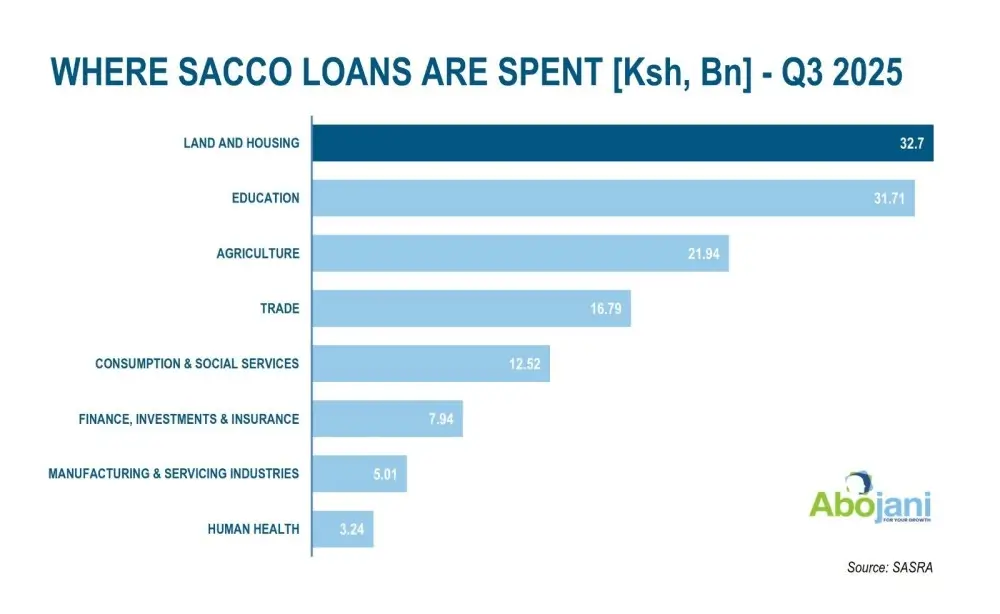
This may explain why, according to SASRA’s Q3 2025 data, the largest portion of SACCO loans continues to go toward land and housing. For many households, property represents tangible progress. It is visible, understandable, and culturally tied to stability and success.
For retail investors, residential property often provides a more accessible entry point. Financing structures are clearer, demand for housing remains relatively resilient, and the asset is easier to understand compared to complex commercial developments. But accessibility does not remove risk. Location, pricing, loan terms, maintenance costs, and long-term market trends must be evaluated carefully.
Perhaps the most important point Kenneth Mbae raised is that ownership alone is not enough. Educating the next generation on real estate ensures continuity. Property passed down without financial literacy can easily be mismanaged or sold under pressure. Sustainable wealth requires both assets and understanding.
Real estate is not simply about buying land or building houses. It is about strategic ownership at the right time, within a balanced portfolio, and with a long-term vision. When approached intentionally, it becomes a foundation for generational wealth.