
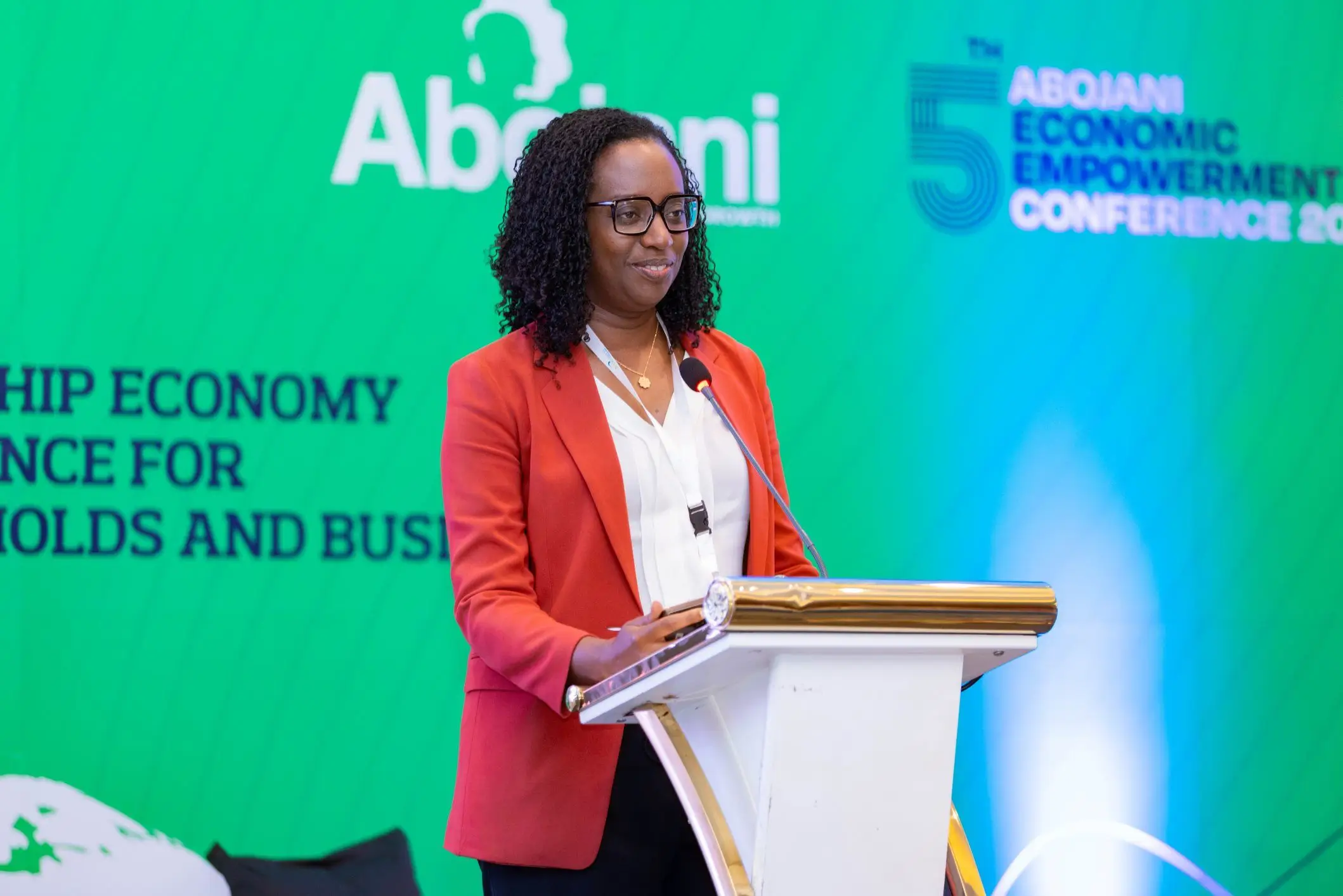
Ownership Beyond Wages Reflections from the 5th Abojani Economic Conference Chief Guest, Dr. Diane Karusisi, CEO of the Bank of Kigali PLC
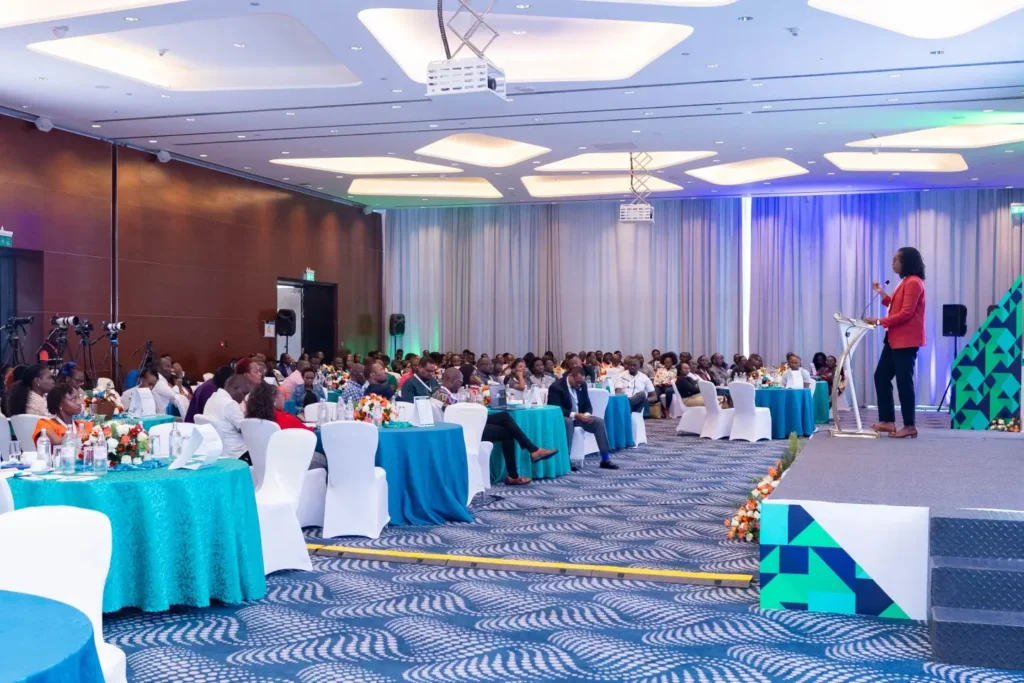
At the 5th Abojani Economic Conference, the ownership economy theme was not treated as a slogan. It was presented as a structural necessity. The Chief Guest, Dr. Diane Karusisi, CEO of Bank of Kigali PLC, set the tone with a statement that framed the entire conversation:
“True economic independence begins when citizens own the enterprises that drive their prosperity.”
In one sentence, she drew a clear distinction between participation and ownership. Across much of Africa, millions participate in economic systems as workers and consumers. They hold jobs, earn wages, and purchase goods and services. Yet participation alone does not translate into control, resilience, or generational wealth. Ownership does.
An ownership economy, as she described it, is one where citizens hold stakes in productive assets. This could mean equity in businesses, shares in financial markets, ownership of land, stakes in agricultural value chains, or participation in industrial production. It shifts individuals from being recipients of economic outcomes to being architects of them.
The gap between participation and ownership is not abstract. It is measurable in vulnerability. It is visible in recurring layoffs, in youth unemployment, and in the fragility of many small enterprises. Africa, she said, is youthful, entrepreneurial, and fast growing, invoking that one in five Africans starts a business (a figure that signals ambition and drive). The continent is rich in natural resources and demographic potential. Yet despite this energy, ownership remains thin.
Dr. Karusisi pointed to a fundamental contradiction. Africa is mineral rich and resource abundant, yet many of its economies remain externally dependent. Assets within the continent are frequently controlled by interests outside it. When ownership does not rest locally, the value generated from local resources often does not remain local. This creates an ownership gap that compounds over time.
The costs of this gap are significant. Economic vulnerability becomes the norm. When enterprises are not widely owned by citizens, downturns and shocks hit households harder. Many African businesses do not survive beyond five years, in contrast to companies elsewhere that span a century or more. Longevity in business is closely tied to strong capital structures, succession planning, and broad-based ownership.
Food and energy insecurity also arise from lack of ownership. Rising food and fuel prices are not just supply. Who controls production? Who owns the distribution networks? Who holds equity in energy infrastructure? Ownership shapes pricing power, investment decisions, and long-term stability. Even broader security challenges can be traced, in part, to economic exclusion and the absence of asset ownership.
Financial institutions, she emphasized, are central enablers of an ownership economy. Groups such as BK Group operate across banking, insurance, brokerage, technology, and foundation work. These functions manage, protect, and grow wealth. They extend credit, underwrite risk, facilitate investment, and promote financial literacy. In doing so, they create pathways for individuals and businesses to acquire and sustain ownership.
However, institutional support alone is not sufficient. The ultimate responsibility rests with individuals, households, and businesses themselves. Ownership requires intention. It requires planning beyond immediate consumption.
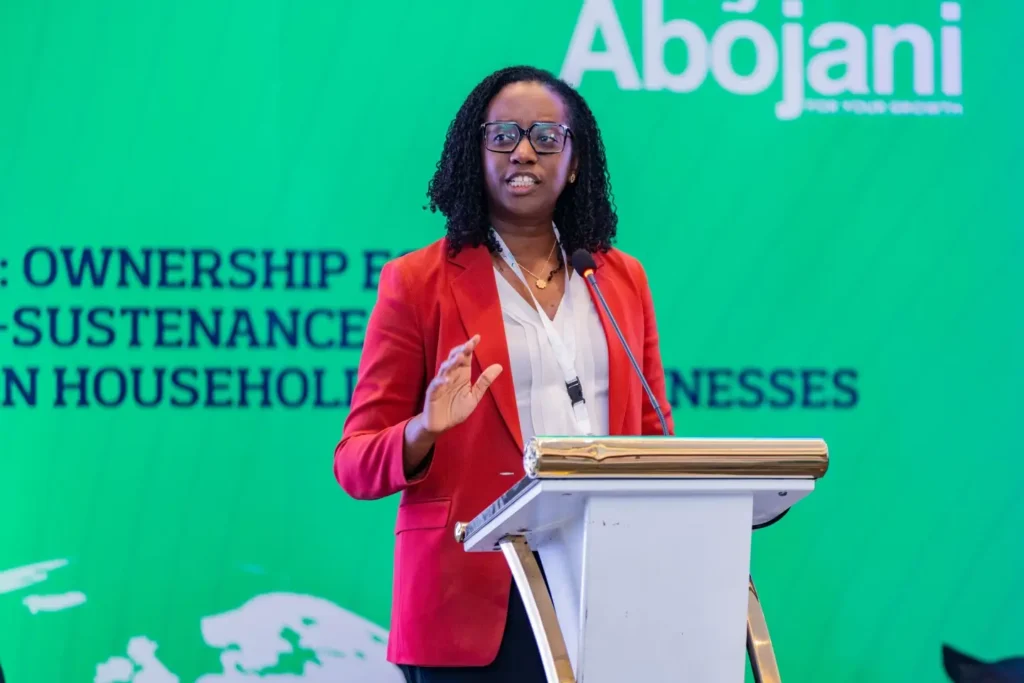
For households, participation in an ownership economy means adopting a long-term horizon. It means planning decades ahead rather than months. It involves building financial literacy and deliberately teaching children about money, assets, and risk. It calls for disciplined saving, informed investing, and strategic asset accumulation. The consumer mindset must evolve into an owner mindset.
Dr. Karusisi also highlighted trends that may redefine access to ownership. Tokenization is lowering barriers to entry in global markets. Through technology, assets can be divided into smaller units, allowing more people to invest in opportunities that were once out of reach. This has the potential to democratize global asset access and accelerate cross-border capital flows.
Young Africans, in particular, stand at the intersection of technology and entrepreneurship. Digital platforms, fintech innovation, and decentralized systems can unlock new ownership models. Rather than waiting for traditional structures to expand, innovators can build systems that widen participation in assets, from real estate to renewable energy projects.
Yet technology alone will not close the ownership gap. Mindsets must shift alongside systems. Ownership must be viewed not as an elite privilege, but as a collective aspiration.
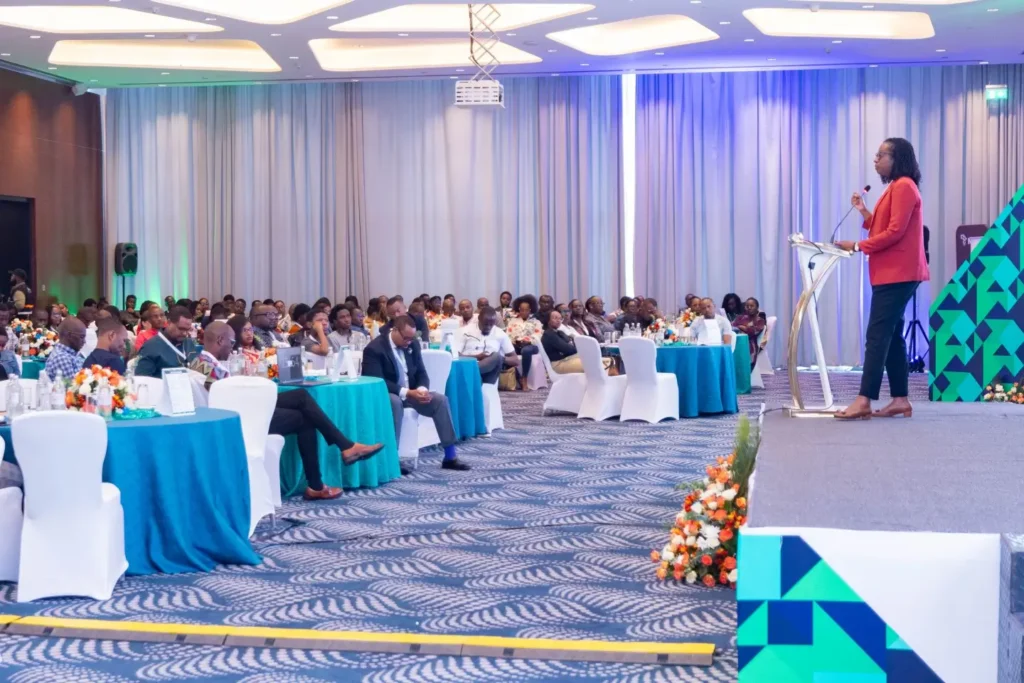
She concluded with a call that echoed into our identity:
“The Africa we want is the Africa we own.”
Ownership goes beyond the political right to vote. It extends to economic sovereignty. It challenges Africans to reconsider who owns agricultural output, mineral extraction, manufacturing capacity, financial institutions, and capital markets. It asks whether resource richness is translating into citizen wealth.
Above all, it requires a shift in narrative. Moving beyond aid dependence toward asset accumulation. Moving from short-term income generation toward long-term wealth creation. Moving from being participants in someone else’s system to being stakeholders in our own.
Will value continue to be extracted and externalized, or will it be retained and compounded locally? The Africa that future generations inherit will depend on what this generation chooses to own today.
#Ownership Beyond Wages | Connect with Abojani
CEO & Co-Founder, Abojani Investment
Robert Ochieng is a visionary entrepreneur and the co-founder of Abojani Investment, a leading financial education platform in Kenya that has empowered over 20,000 Africans to embark on their investment journeys. As CEO, he has demonstrated an unwavering commitment to financial literacy, successfully demystifying money and investments and making them accessible and relevant to individuals from all walks of life.
Running Thriving Investment Communities
Robert’s influence extends well beyond Abojani Investment’s core offerings. He has actively fostered a sense of community by running investment forums and groups with a vast following of over 300,000 Africans. These communities provide a safe space for individuals to exchange ideas, share experiences, and support each other on their investment journeys.
Vision for the Future
As co-founder of Abojani Investment, Robert envisions a financially empowered Africa. He strives to expand the reach of his financial education initiatives, enabling millions more to gain the knowledge and confidence needed to achieve their financial goals. His vision is to create a society where every individual has the tools and understanding to build lasting wealth and prosperity.
Professional Background
Robert Ochieng is a highly accomplished CEO at the helm of Abojani Investment, an investment and advisory firm in Kenya. He is a seasoned professional with over 14 years of experience in IT, Finance, and leadership.
His career includes key roles at prominent institutions such as Equity Bank, Gulf African Bank, Guaranty Trust Bank (GTBank) and Airtel.
Robert’s expertise has also been sought after by the National Treasury for consultancy on planning and budgeting systems, showcasing his exceptional knowledge and skills in the field. Passionate about driving meaningful conversations and collaborations between academia, industry, and the public sector, Robert actively engages in research projects focusing on digital transformation within the financial services sector. With his visionary leadership and strategic insights, Robert Ochieng continues to make a significant impact in the business world.