
Across Kenya and much of Africa, small and medium-sized enterprises (SMEs) are the backbone of the economy. They create jobs, drive innovation, and power local supply chains. Yet one major obstacle continues to slow their growth: access to capital – the funding they need to start, grow, and scale their businesses.
In theory, there are many funding options available, including family & friends, bank loans, government programs, venture capital, private equity, impact investors, and angel investors. On paper, this suggests that capital should be accessible. In practice, however, most SMEs find these doors difficult to open, and when they do, they are oftentimes damn expensive to keep open. The core issue is often a mismatch between what SMEs’ growth stage needs, what financiers are willing to offer, and what the regulatory environment allows.
Also read: Understanding Venture Capital Funding and other Financing options in Kenya

The Limitation with Banks
Banks remain the most common source of formal financing though they are very conservative and take on a very cautious approach to lending. However, for many SMEs, especially in the early stages, bank loans are difficult to access. They typically require collateral, often land or property. Interest rates can sometimes be high, repayment schedules are not flexible, and approval processes can be lengthy. For early-stage businesses, collateral is often not available or pegged on personal property, which increases risk for founders and discourages borrowing.
Venture Capital Depends on StartUp Growth Stage
Venture capital (VC) has grown across Africa in recent years, particularly in the technology sector. Funds such as Seedstars Africa Ventures are investing in startups with high-growth potential. However, VC funding comes with its own realities. Investors expect exponential growth, significant returns often in the range of 10 times their investment, rapid scaling, and sophisticated financial reporting. If a business grows slow and steady and looks to be hitting a plateau soon, it may not be attractive to venture capital.
Many Businesses Are Not Investor-Ready
Even when funding exists, many SMEs are not investor-ready. Some struggle with poor bookkeeping, lack of growth projections, and difficulty explaining their business operations. Others lack proper governance structures, such as a formal board, strong internal controls, and structured decision-making processes. Investors look for clarity, discipline, and accountability. Without these, capital becomes harder to access.
Regulatory and Structural Barriers
Beyond business-level challenges, structural barriers also limit capital flow. International investors often cite country risk, currency volatility, legal enforcement concerns, and exit challenges. Investing in emerging markets is frequently perceived as riskier compared to Europe or North America. This perception reduces the amount of capital flowing into African SMEs, even when opportunities exist.
Initiatives Supporting Businesses
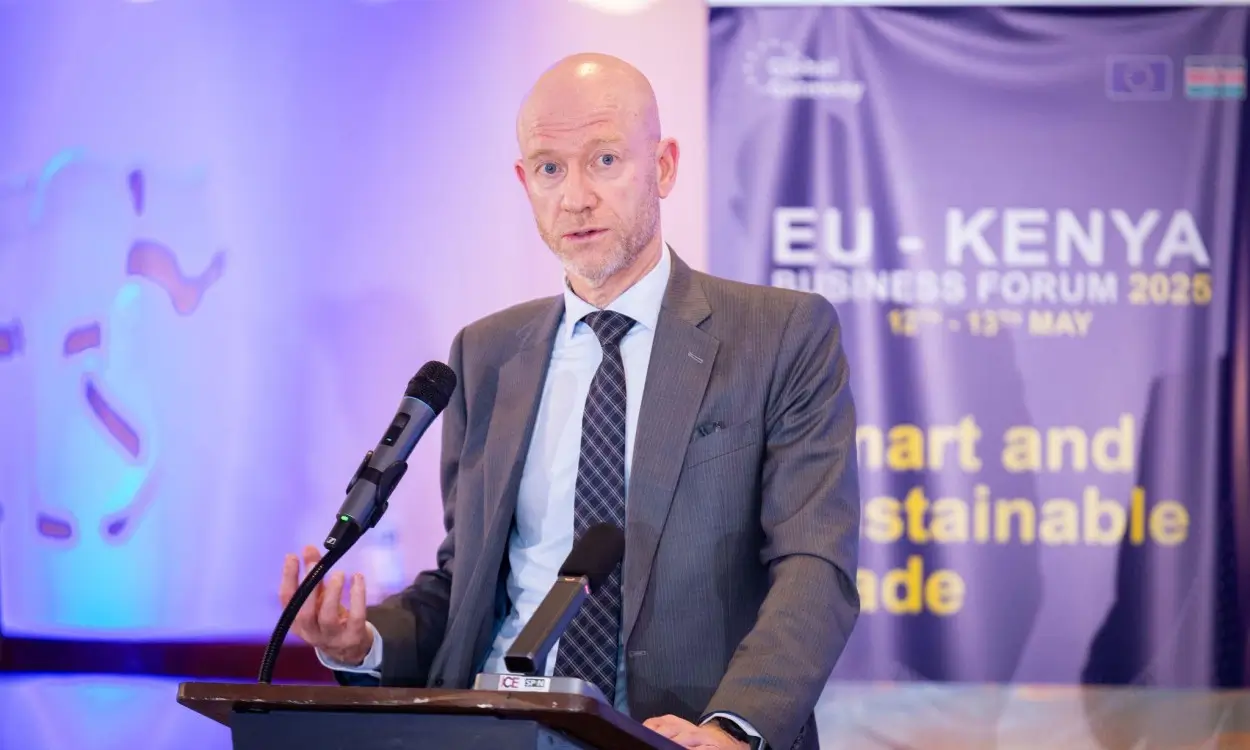
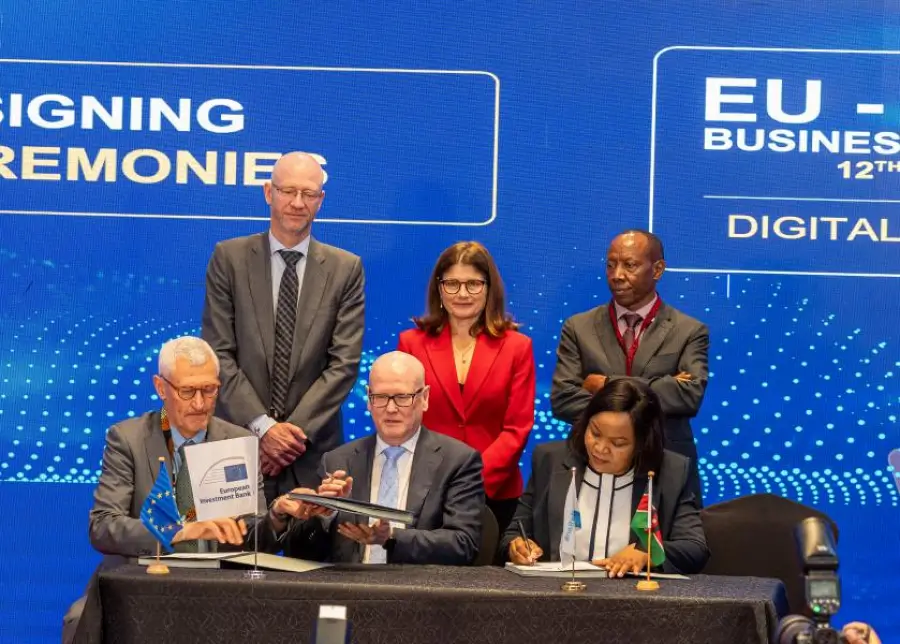
To address these challenges, institutions are working to strengthen the investment ecosystem. The European Investment Bank and African Development Bank, with support from the European Commission launched Boost Africa to mobilize capital and support African SMEs. Boost Africa provides junior tranche financing, acting as a first-loss cushion to shield other private investors in African focused funds and make the funds more attractive to invest in. This encourages more capital to flow into African venture capital and private equity funds targeting local companies.
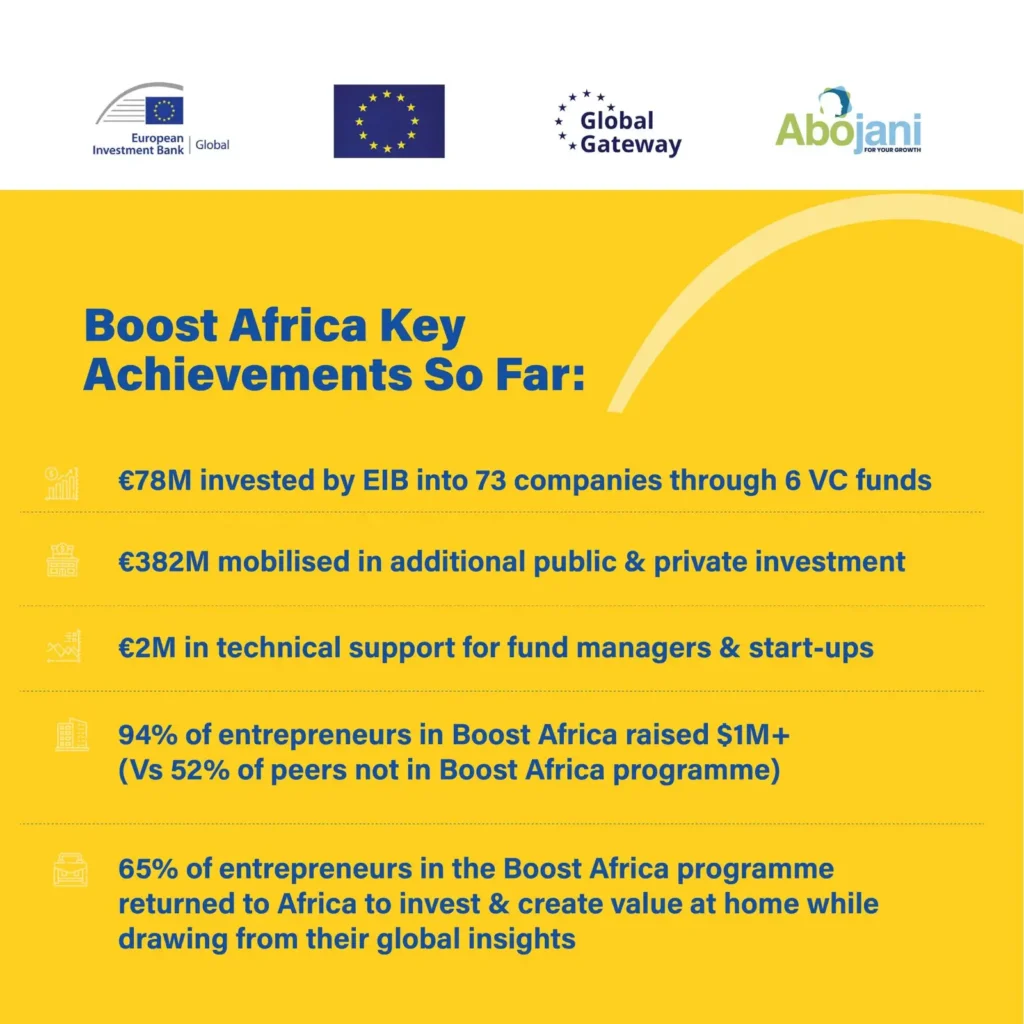
Beyond capital, the initiative also supports VC fund managers with fund structuring, governance frameworks, investment committee setup, ESG and impact measurement systems, fundraising materials, and engagement with potential limited partners. By strengthening fund management and improving standards, African investment funds become more competitive and attractive to international investors.
Ultimately, businesses in Kenya and across Africa do not struggle because they lack ambition or ideas. They struggle because of structural mismatches, risk perceptions, limited readiness, and funding models that do not always align with their growth patterns. Bridging this gap will require stronger financial systems, better governance, flexible financing models, risk-sharing mechanisms, and continued ecosystem support. When capital flows more efficiently, companies can fully play their role as engines of economic growth across the continent.
#SMEs #Access Affordable Capital #Follow Abojani

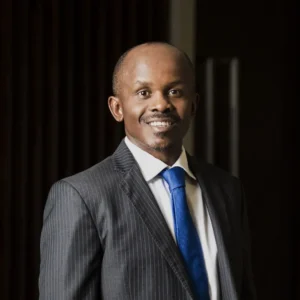
CEO & Co-Founder, Abojani Investment
Robert Ochieng is a visionary entrepreneur and the co-founder of Abojani Investment, a leading financial education platform in Kenya that has empowered over 20,000 Africans to embark on their investment journeys. As CEO, he has demonstrated an unwavering commitment to financial literacy, successfully demystifying money and investments and making them accessible and relevant to individuals from all walks of life.
Running Thriving Investment Communities
Robert’s influence extends well beyond Abojani Investment’s core offerings. He has actively fostered a sense of community by running investment forums and groups with a vast following of over 300,000 Africans. These communities provide a safe space for individuals to exchange ideas, share experiences, and support each other on their investment journeys.
Vision for the Future
As co-founder of Abojani Investment, Robert envisions a financially empowered Africa. He strives to expand the reach of his financial education initiatives, enabling millions more to gain the knowledge and confidence needed to achieve their financial goals. His vision is to create a society where every individual has the tools and understanding to build lasting wealth and prosperity.
Professional Background
Robert Ochieng is a highly accomplished CEO at the helm of Abojani Investment, an investment and advisory firm in Kenya. He is a seasoned professional with over 14 years of experience in IT, Finance, and leadership.
His career includes key roles at prominent institutions such as Equity Bank, Gulf African Bank, Guaranty Trust Bank (GTBank) and Airtel.
Robert’s expertise has also been sought after by the National Treasury for consultancy on planning and budgeting systems, showcasing his exceptional knowledge and skills in the field. Passionate about driving meaningful conversations and collaborations between academia, industry, and the public sector, Robert actively engages in research projects focusing on digital transformation within the financial services sector. With his visionary leadership and strategic insights, Robert Ochieng continues to make a significant impact in the business world.