

John wants to join the Uber business this month. He has saved KES 200,000 and has found a car worth KES 1.8 million.
He now faces a difficult decision. Should he wait another three or four years until he has saved enough to buy the car in cash? Should he take a personal loan? Or is there a smarter way to acquire the car without draining all his savings?
Every day, thousands of Kenyans face similar decisions. A contractor wants to buy an excavator. A school needs a bus to transport students safely to and from school, field trips, and extracurricular activities. A logistics company wants to add another truck to its fleet. A business owner needs new machinery to meet growing customer demand.
Also read: Why NCBA Is the Ideal Growth Partner for Your Business
In many cases, waiting until you’ve saved the full purchase price could mean missing valuable business opportunities. But buying an expensive asset without proper planning can also put unnecessary pressure on your cash flow.
Asset finance allows individuals and businesses to acquire income-generating assets today while spreading the cost over time. More importantly, it helps preserve cash for other important expenses, allowing the asset to start working for you as you repay it.
However, before you sign an asset finance agreement, there are several important things you should understand. This article explains how asset finance works, who it’s suitable for, the costs involved, the questions to ask before applying, and the common mistakes to avoid.
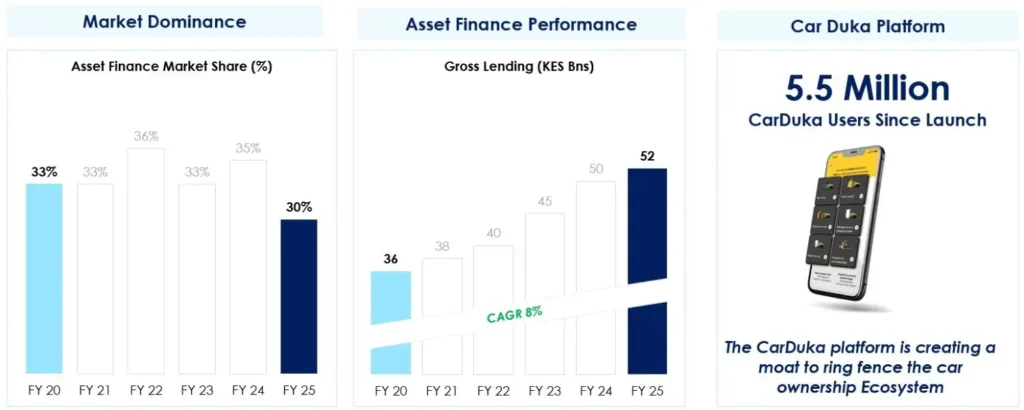
So, how exactly does asset finance work?
Asset finance is a financing solution that helps individuals and businesses acquire high-value assets without paying the full purchase price upfront. Instead, you pay an agreed deposit (where applicable), and the financier pays the balance directly to the supplier. You then repay the amount in affordable monthly instalments over an agreed period while using the asset.
Rather than waiting until you’ve saved the full amount, asset finance enables you to acquire the asset today, put it to work immediately, and use the income it generates to help repay the financing over time.
What assets can you finance?
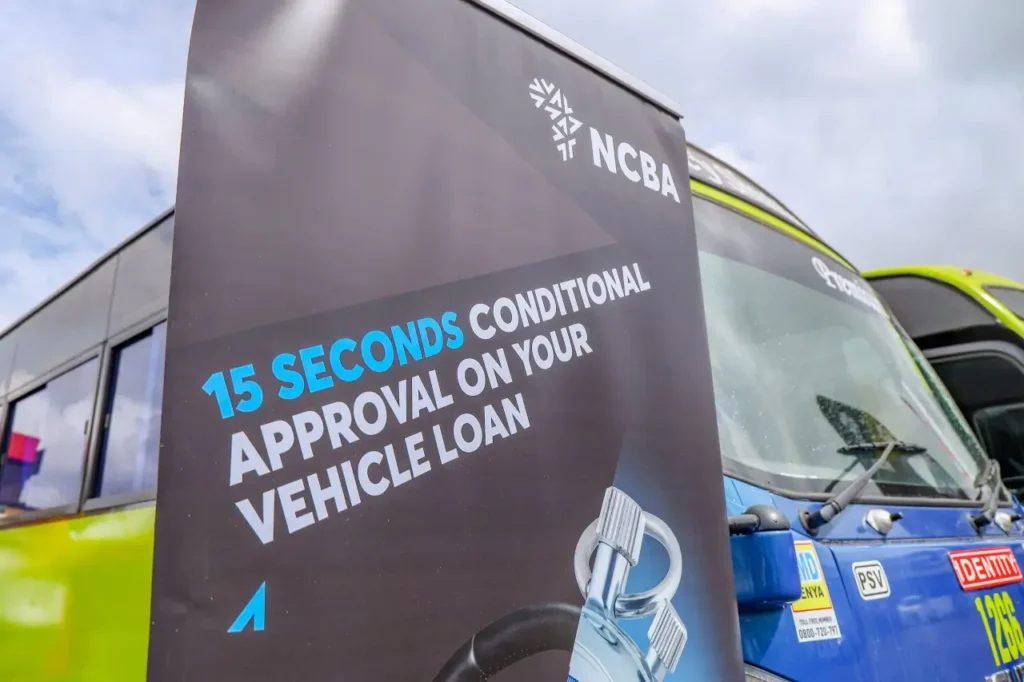
Many people assume asset finance is only for buying cars. In reality, it can be used to finance a wide range of productive assets, including:
- Motor vehicles for personal or business use
- Commercial trucks and lorries
- School buses
- Construction equipment such as excavators and graders
- Agricultural machinery such as tractors and harvesters
- Manufacturing and industrial equipment
- Medical equipment
- Solar and other renewable energy equipment
- Business machinery and specialised equipment
Another common misconception is that asset finance is only available for brand-new assets.
Many financial institutions also finance quality pre-owned assets, provided they meet their financing criteria and valuation requirements. Whether you’re purchasing a vehicle from a local dealer or importing one from overseas, the asset is typically assessed to determine its value before financing is approved.
For many first-time entrepreneurs, choosing a well-maintained pre-owned asset can be a practical way to lower acquisition costs while still getting the equipment they need.
How much can you finance?
The amount you can finance depends on several factors, including:
- The value and type of the asset
- Your income or your business’s cash flow
- How much you’re willing to contribute as a deposit
- Your ability to comfortably repay the monthly instalments
Going back to John’s example, the lender won’t just consider the value of the car. They’ll also assess whether the expected monthly repayments fit comfortably within his income. The goal is to ensure the financing remains affordable throughout the repayment period.
Is asset finance right for you?
Asset finance makes the most sense when the asset will help you earn income, improve productivity, or grow your business.
Before applying, ask yourself these questions:
- Will this asset generate income or reduce costs?
- Can I comfortably afford the monthly repayments?
- Have I factored in insurance, maintenance, fuel, licences, and other running costs?
- Am I buying the right asset for my current needs, not just my future ambitions?
If the answer to these questions is “yes,” asset finance could help you acquire the asset sooner while preserving cash for other priorities.
In conclusion, buying an income-generating asset is often one of the biggest financial decisions you’ll make. Take the time to understand how asset finance works, how much you can comfortably afford, and the total cost of ownership. Don’t overlook the running costs. Factor in additional expenses such as insurance, maintenance, fuel, licences, and repairs into your budget. Don’t finance an asset that doesn’t add value. Lastly, compare different financing solutions: repayment terms, deposits, and financing structures.
The Next Step
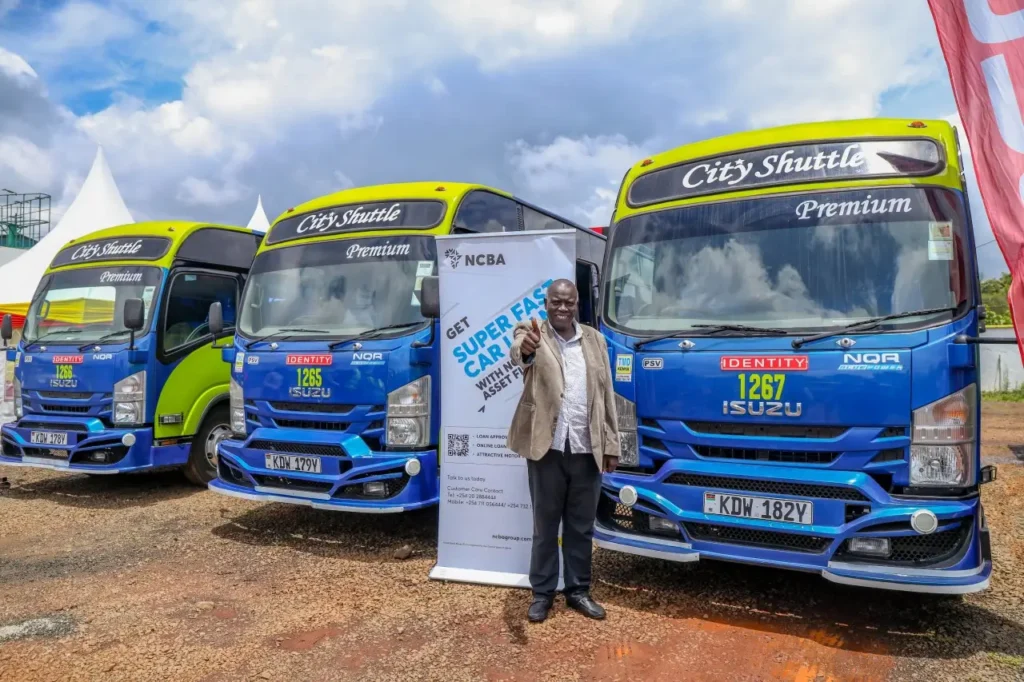
NCBA Asset Finance helps bridge that gap by providing flexible financing solutions for vehicles, machinery, equipment, and other income-generating assets.
Whether you’re looking to buy your first business vehicle, expand your fleet, invest in new machinery, or finance renewable energy solutions, an NCBA Relationship Manager can help you explore financing options tailored to your needs and cash flow.
Asset Finance: Ready to take the next step? https://ncbagroup.com/ke/asset-finance-application-form/

CEO & Co-Founder, Abojani Investment
Robert Ochieng is a visionary entrepreneur and the co-founder of Abojani Investment, a leading financial education platform in Kenya that has empowered over 20,000 Africans to embark on their investment journeys. As CEO, he has demonstrated an unwavering commitment to financial literacy, successfully demystifying money and investments and making them accessible and relevant to individuals from all walks of life.
Running Thriving Investment Communities
Robert’s influence extends well beyond Abojani Investment’s core offerings. He has actively fostered a sense of community by running investment forums and groups with a vast following of over 300,000 Africans. These communities provide a safe space for individuals to exchange ideas, share experiences, and support each other on their investment journeys.
Vision for the Future
As co-founder of Abojani Investment, Robert envisions a financially empowered Africa. He strives to expand the reach of his financial education initiatives, enabling millions more to gain the knowledge and confidence needed to achieve their financial goals. His vision is to create a society where every individual has the tools and understanding to build lasting wealth and prosperity.
Professional Background
Robert Ochieng is a highly accomplished CEO at the helm of Abojani Investment, an investment and advisory firm in Kenya. He is a seasoned professional with over 14 years of experience in IT, Finance, and leadership.
His career includes key roles at prominent institutions such as Equity Bank, Gulf African Bank, Guaranty Trust Bank (GTBank) and Airtel.
Robert’s expertise has also been sought after by the National Treasury for consultancy on planning and budgeting systems, showcasing his exceptional knowledge and skills in the field. Passionate about driving meaningful conversations and collaborations between academia, industry, and the public sector, Robert actively engages in research projects focusing on digital transformation within the financial services sector. With his visionary leadership and strategic insights, Robert Ochieng continues to make a significant impact in the business world.