
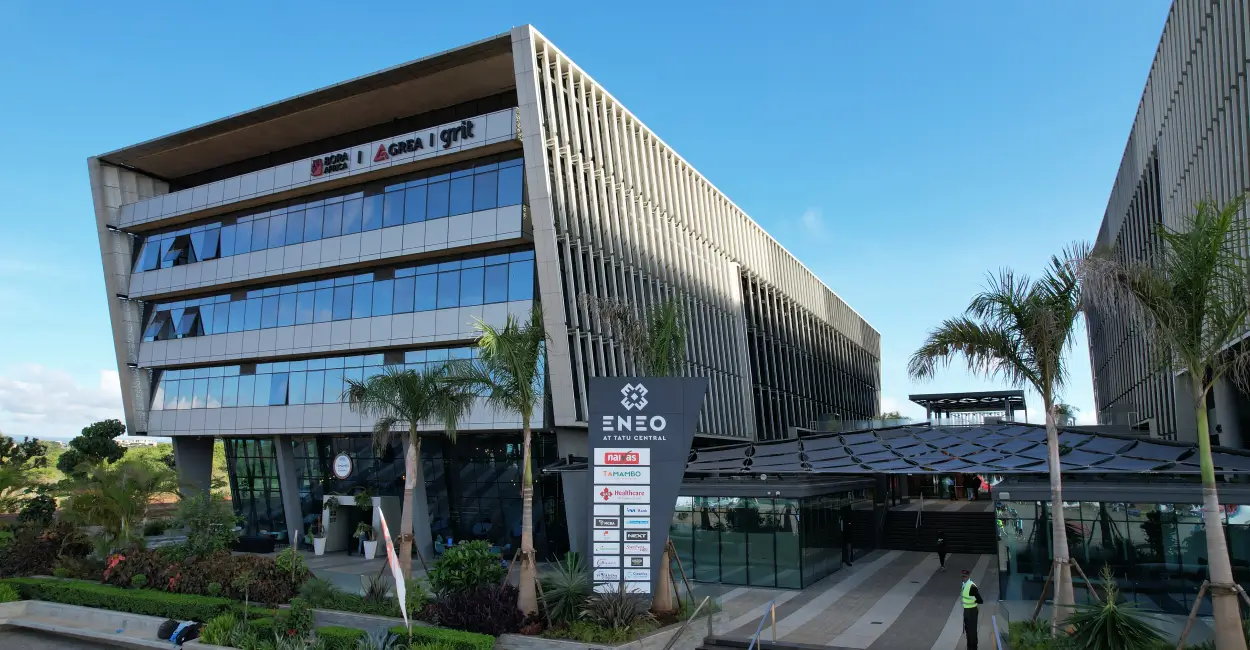
Every ambitious company eventually runs into the same challenge: the limits of its domestic market. To overcome this, Tatu City SEZ offers a powerful solution, as do other Special Economic Zones. They are not just tax-friendly enclaves; they are launchpads for international business, enabling growth not only from local demand but also through global expansion.
A Hub in East Africa, A Gateway to the World
Tatu City SEZ sits on the edge of Nairobi, but its reach extends far beyond Kenya’s borders.
Also read: The Tatu City Experience: How an SEZ is Redefining Life and Business in Kenya
Goods manufactured here are considered “outside” the customs territory of Kenya until they enter the local market. This technical distinction unlocks several advantages:
Preferential Market Access:
Products meeting rules of origin can access trade frameworks such as:
- AfCFTA: Duty-free entry into Africa’s 1.4 billion-person market
- COMESA: Reduced tariffs and easier movement across Eastern and Southern Africa.
- AGOA: Duty-free exports into the United States.
- EU-Kenya EPA: Quota-free, duty-free access to Europe.
- Kenya-China agreements: Direct preferential treatment into Asia.
Export-First Orientation:
Goods produced within the SEZ can be exported directly without the red tape associated with the domestic customs system. This reduces cost per unit and improves delivery timelines, critical for businesses competing globally.
Domestic Market Flexibility:
Goods re-imported into Kenya from the SEZ pay duty only on the non-Kenyan components, lowering costs for hybrid local-global supply chains.
That means a product made in Tatu can be distributed across Africa, shipped duty-free into the U.S., and supplied to Europe, all from a single location.
Many African companies aspire to go global but face logistical and regulatory obstacles. Tatu City’s SEZ status changes the equation:
Reliable Power:
99.7% uptime, with a dedicated 135MVA substation and 93% renewable supply.
Water & Utilities: 24/7 supply with 30 million litres of storage, plus wastewater systems that meet global environmental compliance.
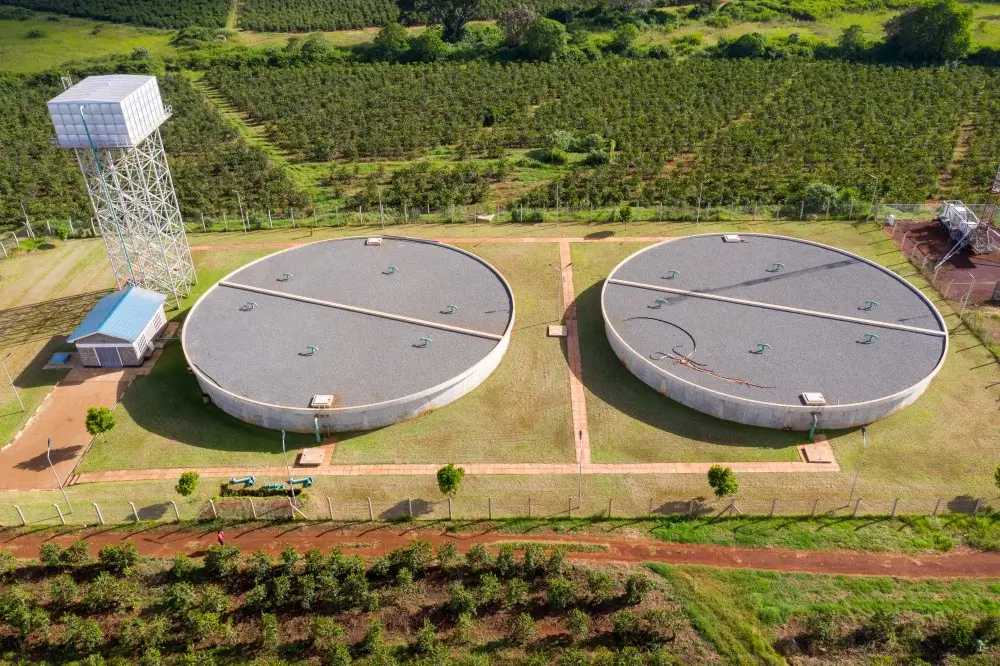
Digital Backbone: 90km of underground fibre for ICT-enabled sectors such as BPO and financial services.
Customs Clearance Onsite: A controlled customs area within the SEZ, reducing inspection and release times dramatically compared to conventional ports.
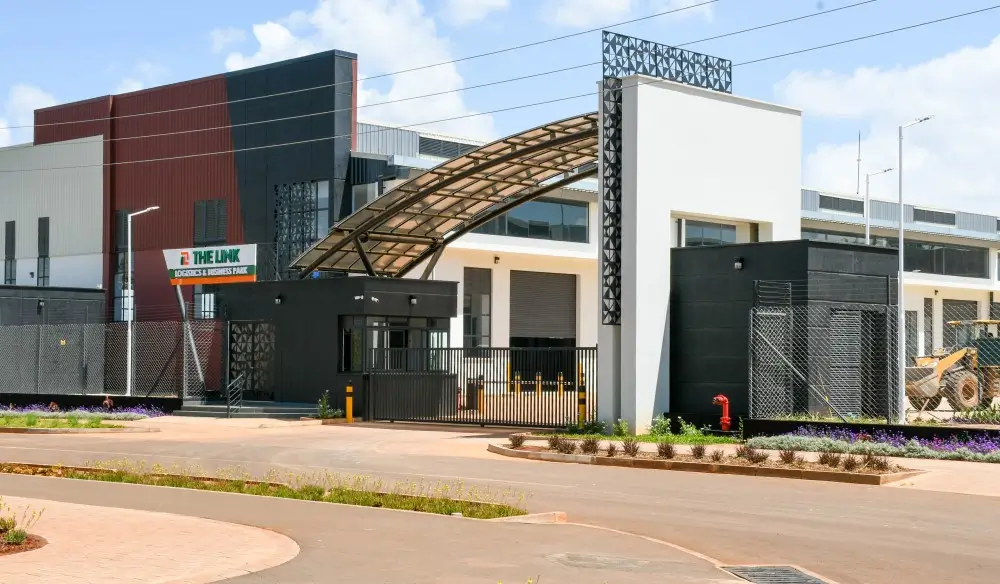
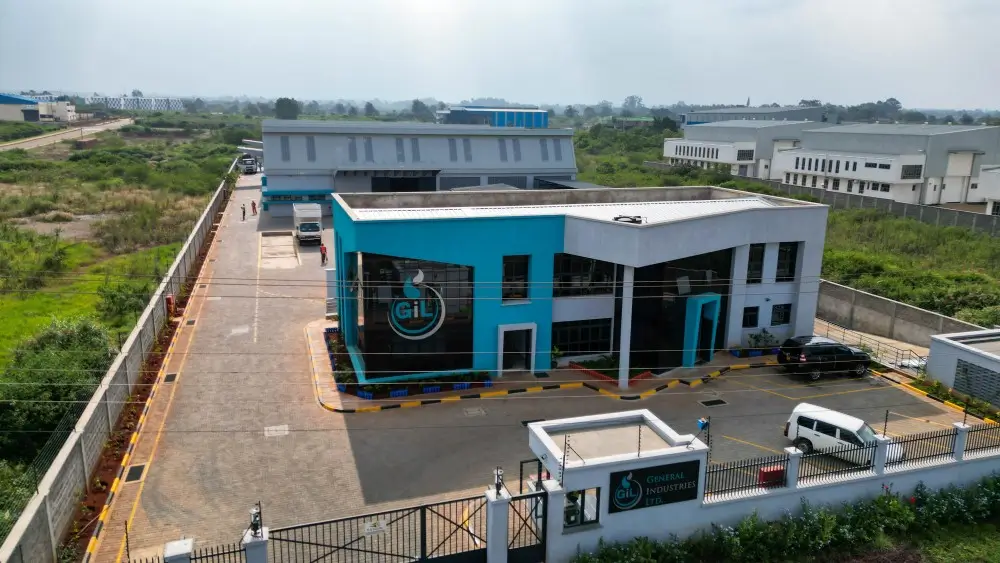
An established ecosystem of 100+ companies provides proof of concept. More than 100 companies have already established operations in Tatu City Industrial Park, spanning manufacturing, logistics, textiles, cold storage, and BPO.
In just 18 months, the BPO cluster alone has created 5,000 jobs, with another 4,000 in the pipeline. Cold storage facilities in the zone are the largest in East Africa, positioning the City as a key logistics hub for regional agriculture and food supply chains.
The impact of SEZs has been demonstrated globally. When China established Shenzhen as an SEZ, it didn’t just build factories. It created a city that could serve global markets. Dubai’s Jebel Ali Free Zone did the same, now an international logistics powerhouse and home to over 100 Fortune Global 500 companies.
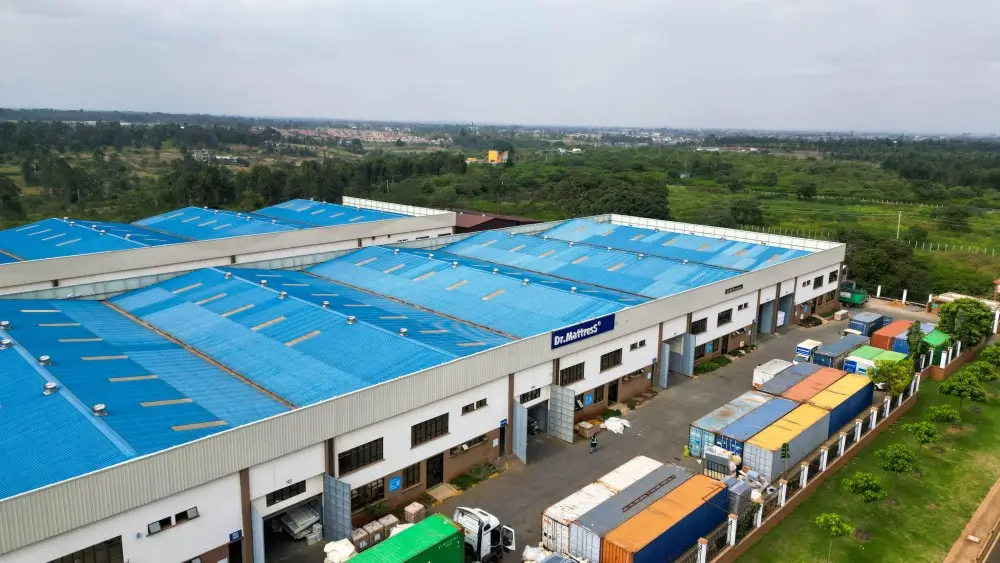
Tatu City SEZ is built on the same model, already attracting over 100 companies in its early years, laying the foundation for Africa’s version of that story.
For businesses looking at Africa, the question is no longer “Is there opportunity?” The question is whether there’s a platform designed to translate that opportunity into scalable growth.
Tatu City’s SEZ provides the answer: a globally connected hub, with the policies, infrastructure, and confidence to scale beyond borders.
From Nairobi to the world, the journey begins here.
For more information, visit www.tatucity.com Business Locations | Tatu City
#Tatu City SEZ

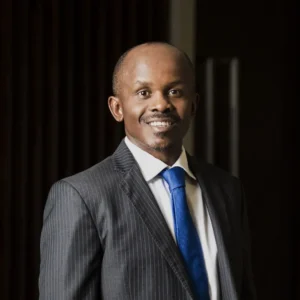
CEO & Co-Founder, Abojani Investment
Robert Ochieng is a visionary entrepreneur and the co-founder of Abojani Investment, a leading financial education platform in Kenya that has empowered over 20,000 Africans to embark on their investment journeys. As CEO, he has demonstrated an unwavering commitment to financial literacy, successfully demystifying money and investments and making them accessible and relevant to individuals from all walks of life.
Running Thriving Investment Communities
Robert’s influence extends well beyond Abojani Investment’s core offerings. He has actively fostered a sense of community by running investment forums and groups with a vast following of over 300,000 Africans. These communities provide a safe space for individuals to exchange ideas, share experiences, and support each other on their investment journeys.
Vision for the Future
As co-founder of Abojani Investment, Robert envisions a financially empowered Africa. He strives to expand the reach of his financial education initiatives, enabling millions more to gain the knowledge and confidence needed to achieve their financial goals. His vision is to create a society where every individual has the tools and understanding to build lasting wealth and prosperity.
Professional Background
Robert Ochieng is a highly accomplished CEO at the helm of Abojani Investment, an investment and advisory firm in Kenya. He is a seasoned professional with over 14 years of experience in IT, Finance, and leadership.
His career includes key roles at prominent institutions such as Equity Bank, Gulf African Bank, Guaranty Trust Bank (GTBank) and Airtel.
Robert’s expertise has also been sought after by the National Treasury for consultancy on planning and budgeting systems, showcasing his exceptional knowledge and skills in the field. Passionate about driving meaningful conversations and collaborations between academia, industry, and the public sector, Robert actively engages in research projects focusing on digital transformation within the financial services sector. With his visionary leadership and strategic insights, Robert Ochieng continues to make a significant impact in the business world.