

Understanding Equities: Most people who have invested in stocks in Kenya have actually just bought shares in a big IPO and then probably forgot about it after some years.
So, first things first, what even is a share?
A share or stock is basically a small piece of ownership in a company. So when Equity Group Holdings goes to the Nairobi Securities Exchange and lists its shares, it is effectively saying: “We are opening up a portion of this business for anyone to co-own.”
When you buy a share, you become, in a legally real way, a co-owner of that business. You’re entitled to a share of the profits (dividends) and your ownership stake rises or falls in value depending on how the market perceives the company’s prospects.
Think of it like buying into a chama. Except instead of ten people pooling money to buy land, millions of people are pooling money to own a business and you can buy or sell your “chama share” at any time the market is open.
It helps to understand that the term “equities” leans more toward the idea of ownership and value, while “stocks” or “shares” are the instruments themselves. The equities market is simply the marketplace where these ownership stakes are issued and traded.
Also read: Investing In The Stock Market – 4 Benefits
Why share prices move the way they do
In theory, a company’s share price should reflect the present value of all its future earnings. In practice, it reflects all of that plus sentiment, rumour, macroeconomic noise, interest rate expectations, currency movements, who said what on a business channel, and whether investors are feeling hopeful or terrified.
Which is to say: stock prices are logical in the long run, and completely irrational in the short run.
“The market is a voting machine in the short term and a weighing machine in the long term.” — an observation that has aged well since Benjamin Graham made it in 1949.
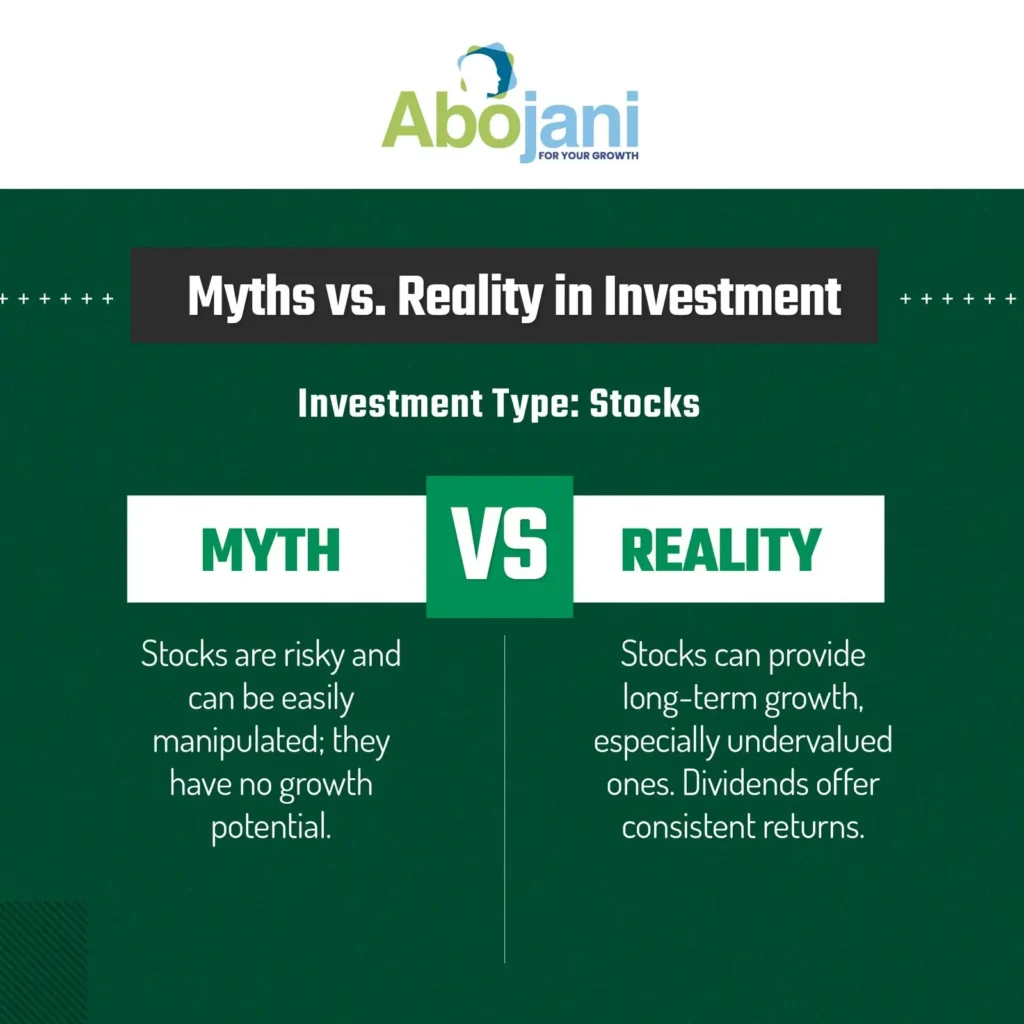
This matters because a lot of new investors come into the market expecting it to behave steady, predictable, incrementally growing. When a share they bought drops 15% in a month, they panic, sell, and leave convinced the whole thing is a scam.
But that’s how markets are, and most especially developing ones.
The NSE, a market still finding its depth
The Nairobi Securities Exchange PLC is one of the oldest stock exchanges on the continent, established in 1954. It’s also, relative to its potential, quite thin.
Thin means: fewer than 70 listed companies. Low daily trading volumes. Limited institutional depth. A market where a single large sell order can move a stock meaningfully. Where news like earnings, regulatory changes, even rumour, hits prices harder than it might in more liquid markets.
The uninformed investor buys a stock because it’s moving, doesn’t understand the business, panics at the first dip, and exits at a loss, swearing off equities forever. The patient investor understands why they own what they own, sees a dip as a possible entry point rather than a disaster, and collects dividends while they wait.
Frontier markets create a lot of volatility. But volatility, properly understood, can also be an opportunity. Some of the best buying moments in equities markets have come right after a period of broad market fear.

The case for investing in the Kenyan market
The Kenyan market has room to grow, something that many developed markets no longer have.
A young population, an expanding middle class, increasing financial inclusion, and a services economy that is still deepening. The companies listed on the NSE that serve these dynamics; banking, mobile money, consumer staples, energy; are companies with a long domestic growth runway ahead of them.
Frontier and emerging markets are not for the faint-hearted. But for investors with a time horizon, risk tolerance, and the right guidance, they are also where some of the most compelling long-term returns have been made.
If you want to start investing, these principles work in any equity market:
- Invest in businesses you understand.
- Diversify across sectors.
- Take a long view.
- Don’t let short-term volatility drive long-term decisions.
- And don’t invest money you can’t afford to leave alone.
- Also, choose to invest through a partner that understands your needs.
This is where NCBA Investment Bank comes in.
Understanding equities intellectually is one thing. Building a portfolio that actually works for your financial goals; that’s a different conversation, and it’s one worth having with people who know this market inside out.
NCBA Investment Bank offers access to NSE-listed equities, research, and investment advisory with a team that understands the nuance of investing in a market like Kenya’s. Whether you’re starting your equities journey or looking to build on an existing portfolio, they have the tools and the expertise to help you do it properly.
Talk to NCBA Investment Bank today!
#Equities

CEO & Co-Founder, Abojani Investment
Robert Ochieng is a visionary entrepreneur and the co-founder of Abojani Investment, a leading financial education platform in Kenya that has empowered over 20,000 Africans to embark on their investment journeys. As CEO, he has demonstrated an unwavering commitment to financial literacy, successfully demystifying money and investments and making them accessible and relevant to individuals from all walks of life.
Running Thriving Investment Communities
Robert’s influence extends well beyond Abojani Investment’s core offerings. He has actively fostered a sense of community by running investment forums and groups with a vast following of over 300,000 Africans. These communities provide a safe space for individuals to exchange ideas, share experiences, and support each other on their investment journeys.
Vision for the Future
As co-founder of Abojani Investment, Robert envisions a financially empowered Africa. He strives to expand the reach of his financial education initiatives, enabling millions more to gain the knowledge and confidence needed to achieve their financial goals. His vision is to create a society where every individual has the tools and understanding to build lasting wealth and prosperity.
Professional Background
Robert Ochieng is a highly accomplished CEO at the helm of Abojani Investment, an investment and advisory firm in Kenya. He is a seasoned professional with over 14 years of experience in IT, Finance, and leadership.
His career includes key roles at prominent institutions such as Equity Bank, Gulf African Bank, Guaranty Trust Bank (GTBank) and Airtel.
Robert’s expertise has also been sought after by the National Treasury for consultancy on planning and budgeting systems, showcasing his exceptional knowledge and skills in the field. Passionate about driving meaningful conversations and collaborations between academia, industry, and the public sector, Robert actively engages in research projects focusing on digital transformation within the financial services sector. With his visionary leadership and strategic insights, Robert Ochieng continues to make a significant impact in the business world.