

Saving money is often positioned as the cornerstone of financial success. It’s the first piece of advice handed out when someone asks how to become rich: “Save more,” “Cut your spending,” “Live within your means.” The logic seems simple, if you spend less than you earn and stash away the difference, eventually you’ll become wealthy.
To Save money in isolation, will not make you rich. It’s a start, but it’s not the endgame. In fact, depending on how you approach it, it can even leave you feeling stuck, frustrated, or disillusioned.
Let’s say you earn KES 50,000 a month. You manage to live frugally and save KES 15,000 every month. That’s a significant portion, and on the surface, it looks like progress. But then what happens to that money? Is it sitting in a current account? Is it accumulating in a savings account with minimal interest? Or is it just your safety net with no clear role in your future?
Also read: It’s Never Too Early or Too Late to Start Saving and Investing
Saving without a plan is like packing your bags without knowing the destination. Eventually, you’ll start to wonder what you’re doing all this for and worse, you may find yourself dipping into your savings without a clear sense of guilt or direction, simply because there was never a purpose to begin with.
This is where many people go wrong. They take in financial advice and apply it wholly without questioning whether it actually fits their situation. The principles may be sound, but without context, they lose their impact. Not every budgeting trick or savings target makes sense for every income level, household structure, or lifestyle. Copy-pasting someone else’s strategy into your life won’t automatically bring results.
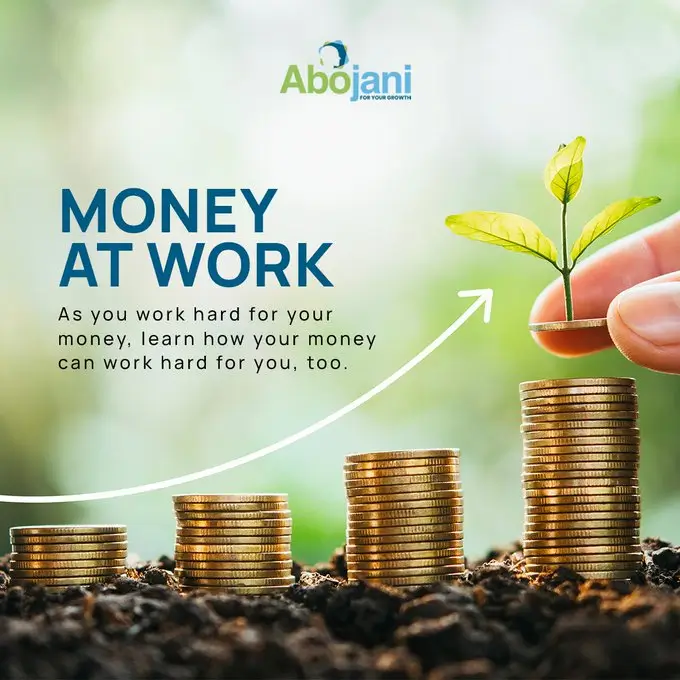
Wealth is not built on saving alone but on strategy, clarity, and informed action. You must know why you’re saving, for how long, and what the money will be used for. Is it to start a business? To invest in a money market fund? To put a down payment on property? Or simply to build an emergency cushion so that your investments aren’t derailed by short-term crises?
Once you know the purpose, you can assign timelines, set appropriate amounts, and connect your saving efforts with income-generating action. That’s how wealth starts to take shape, not from hoarding money, but from directing it intelligently.
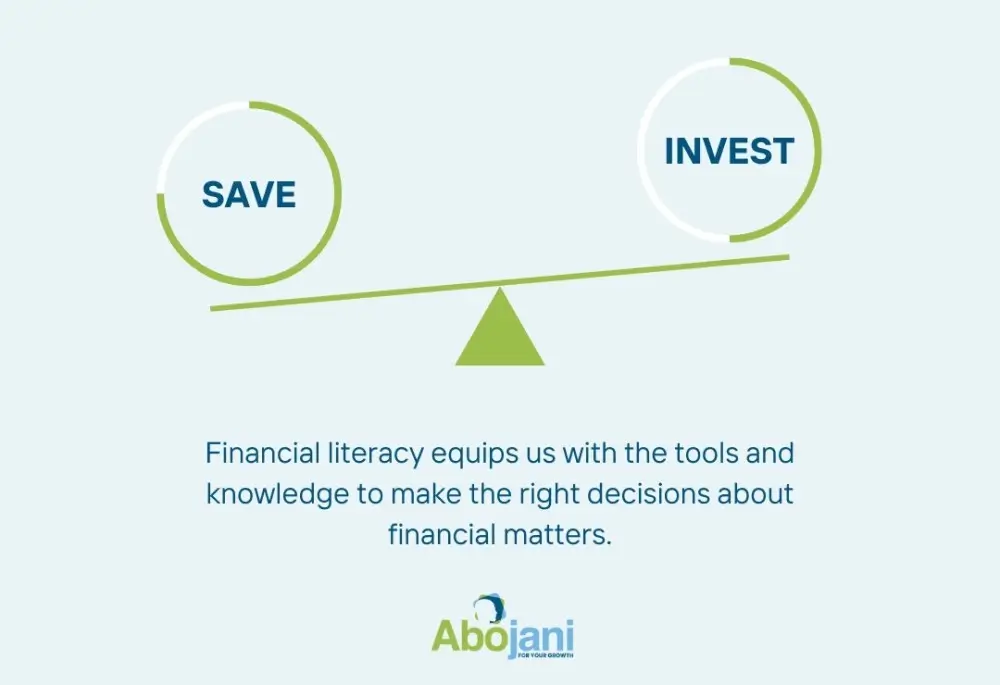
Understanding how money works is more important than following general rules. For example, if your income is irregular, you may need a different approach from someone with a stable salary. If your expenses are fixed but your earnings vary, your savings rhythm has to reflect that reality. If you have dependents or are recovering from a financial setback, your priorities may be protection and liquidity rather than high-risk investing.
Knowing what’s possible, what applies to you, and what needs to be adjusted is the real skill. It’s not about memorising advice; it’s about interpreting it through the lens of your life.
Saving money still has value. It teaches discipline. It gives you breathing room. It keeps you out of unnecessary debt. But saving without a bigger plan won’t lead to wealth. So as you work towards financial freedom, don’t stop at cutting costs or at accumulating a balance. Take it further. Ask yourself: What is this money for? What happens after I reach my savings target? What does wealth look like for me, and how will I get and stay there?
Saving is just the starting point it helps you create stability. But to grow financially, you must take intentional steps toward income-generating activities. That could mean investing in a chama, buying shares, building a side hustle, or upskilling for better-paying opportunities. The goal is not just to save, but to multiply what you’ve saved. Because wealth isn’t stored it is grown.
#Saving Money

CEO & Co-Founder, Abojani Investment
Robert Ochieng is a visionary entrepreneur and the co-founder of Abojani Investment, a leading financial education platform in Kenya that has empowered over 20,000 Africans to embark on their investment journeys. As CEO, he has demonstrated an unwavering commitment to financial literacy, successfully demystifying money and investments and making them accessible and relevant to individuals from all walks of life.
Running Thriving Investment Communities
Robert’s influence extends well beyond Abojani Investment’s core offerings. He has actively fostered a sense of community by running investment forums and groups with a vast following of over 300,000 Africans. These communities provide a safe space for individuals to exchange ideas, share experiences, and support each other on their investment journeys.
Vision for the Future
As co-founder of Abojani Investment, Robert envisions a financially empowered Africa. He strives to expand the reach of his financial education initiatives, enabling millions more to gain the knowledge and confidence needed to achieve their financial goals. His vision is to create a society where every individual has the tools and understanding to build lasting wealth and prosperity.
Professional Background
Robert Ochieng is a highly accomplished CEO at the helm of Abojani Investment, an investment and advisory firm in Kenya. He is a seasoned professional with over 14 years of experience in IT, Finance, and leadership.
His career includes key roles at prominent institutions such as Equity Bank, Gulf African Bank, Guaranty Trust Bank (GTBank) and Airtel.
Robert’s expertise has also been sought after by the National Treasury for consultancy on planning and budgeting systems, showcasing his exceptional knowledge and skills in the field. Passionate about driving meaningful conversations and collaborations between academia, industry, and the public sector, Robert actively engages in research projects focusing on digital transformation within the financial services sector. With his visionary leadership and strategic insights, Robert Ochieng continues to make a significant impact in the business world.