

There are cities and then there is Tatu City. The first thing most newcomers to Tatu City notice isn’t the wide boulevards or the clean landscaping.
It’s that 1k fine you are slapped with for not driving at 20Km/hr. And an additional 5K fine for being a slow learner and repeating the offence.
You see, unlike in Nairobi where stop signs and zebra crossings are often treated as suggestions and nice to knows, Tatu City enforces its rules. If you glide past a stop sign without halting, even with no car in sight, you’ll be fined. It shocks first-time drivers. For a moment, it feels like you’ve left Kenya and entered another country where order, rules, and safety are not optional.
Well, ladies and gentlemen, this is not by accident. It’s part of the SEZ design.
Also read: From Nairobi to the World: How Tatu City SEZ Unlocks Global Market Access
Some Context…
Across Africa, cities are expanding at breakneck speed. The UN predicts that by 2050, over 70% of the global South will be living in urban areas. But urban growth has outpaced infrastructure. Nairobi, Lagos, Johannesburg, Cairo…most of our CBDs are choking under congestion, unreliable power, water shortages, and poor planning.
The quality of life keeps falling even as populations grow.

This is where smart cities come in. From Eko Atlantic in Nigeria to Vision City in Rwanda, new integrated cities are trying to leapfrog Africa’s urban problems. Kenya’s own Konza Technopolis is one such project. But while Konza is still maturing, Tatu City, backed by private-sector urban land developer, Rendeavour, has leapt ahead. Tatu City is Kenya’s first fully operational Special Economic Zone (SEZ).
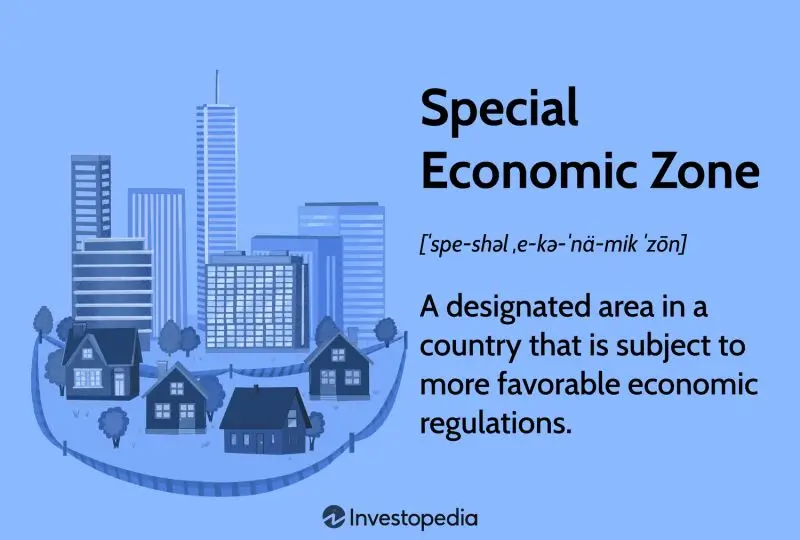
And what exactly is an SEZ? At its core, it’s a location-based scheme, a designated area within a country that operates under different economic rules from the rest of the nation. The goal is simple but powerful: attract both foreign and local investment, create jobs, and incubate new policies that make business smoother.
Rendeavour, Africa’s largest urban developer, realized Nairobi was bursting at the seams. Land was expensive, commutes were exhausting, and businesses were bleeding from inefficiencies…permits delayed, power outages common, logistics unreliable. They asked: What if we built a city from scratch? A place where people could live, work, and play with world-class infrastructure, predictable operations, and space for growth?
That vision became Tatu City: 5,000 acres designed for over 150,000 residents and day visitors, anchored on three principles: green living (30% of land reserved for nature), reliable infrastructure, and economic opportunity.
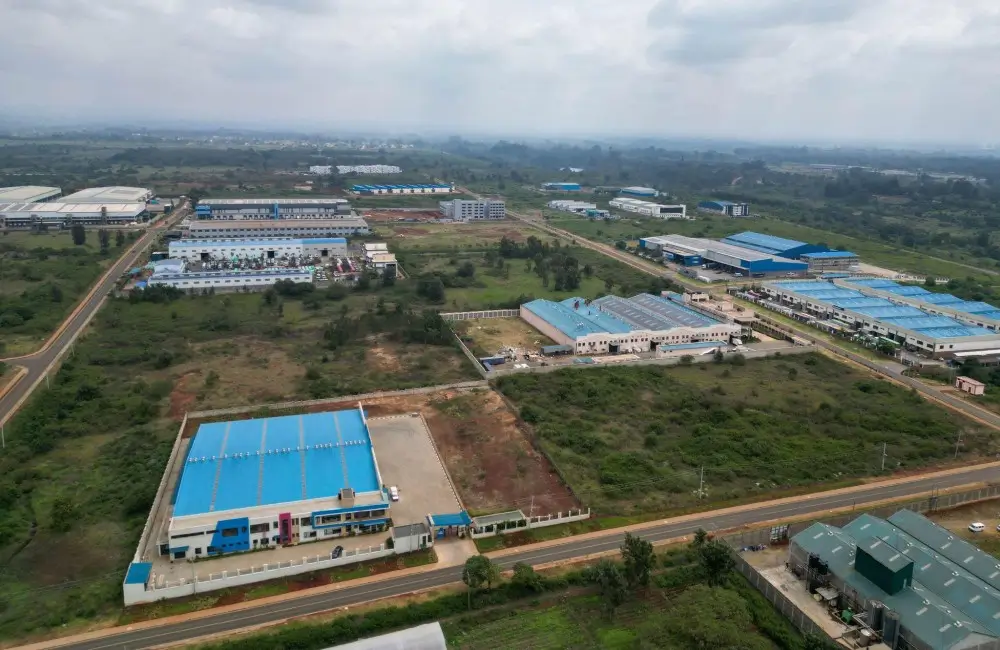
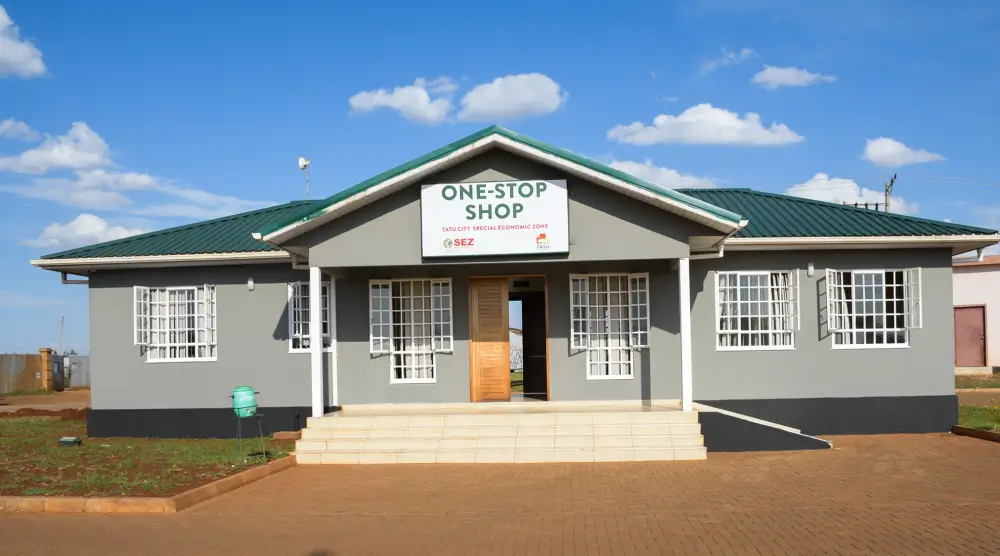
Unlike the chaos of most African cities, Tatu offers order. And not just aesthetic order, economic order. As a Special Economic Zone (SEZ), Tatu City comes with powerful advantages including 10% corporate tax for 10 years, 15% for the next 10, Zero VAT, zero import duty, zero stamp duty, zero capital gains tax… 99.7% power reliability, 24/7 water supply, and 90 km of underground fibre. A One-Stop-Shop (OSS) that fast-tracks work permits, construction approvals, and SEZ licensing.
A Closer Look: Tatu City’s SEZ Advantages
As a Special Economic Zone (SEZ), Tatu City offers a powerful set of incentives that go far beyond standard urban planning. These benefits are a major reason why major corporations are choosing to invest here.
Key Q&A: The Economic Benefits of Tatu City’s SEZ
- What are the key tax benefits for companies operating in Tatu City’s SEZ?
- Businesses setting up within Tatu City’s Special Economic Zone enjoy significant tax advantages designed to reduce operational costs and boost profitability. These include:
- 10% corporate tax for the first 10 years, followed by 15% for the subsequent 10 years.
- Zero VAT (Value Added Tax)
- Zero import duty on machinery, raw materials, and other goods.
- Zero stamp duty on land and property transfers.
- Zero capital gains tax.
- Businesses setting up within Tatu City’s Special Economic Zone enjoy significant tax advantages designed to reduce operational costs and boost profitability. These include:
- Beyond taxes, what other operational advantages does the SEZ provide?
- Predictability is a priceless asset in business. Tatu City’s SEZ framework ensures a stable and efficient environment through:
- 99.7% power reliability and 24/7 water supply, eliminating the costly disruptions common in other urban centers.
- A dedicated One-Stop-Shop (OSS) for fast-tracking permits, licenses, and approvals.
- 90 km of underground fiber optic cable for reliable high-speed internet.
- Predictability is a priceless asset in business. Tatu City’s SEZ framework ensures a stable and efficient environment through:
This is why close to 100 companies…from Unilever and Dormans Coffee to logistics firms, cold storage, and manufacturing plants, have already set up in Tatu. For them, it’s not just about tax savings. It’s about predictability. In a country where bureaucracy and power cuts eat into profits, predictability is priceless.
But Tatu is more than business. It’s becoming a home. Schools like Nova Pioneer and Crawford International attract parents seeking quality education close to home. Banks like NCBA and Prime Bank are operational. Supermarkets like Naivas and Safaricom shops add convenience. And with no messy electric poles dangling overhead given that Tatu’s cables are underground, the skyline looks uncluttered, almost futuristic.
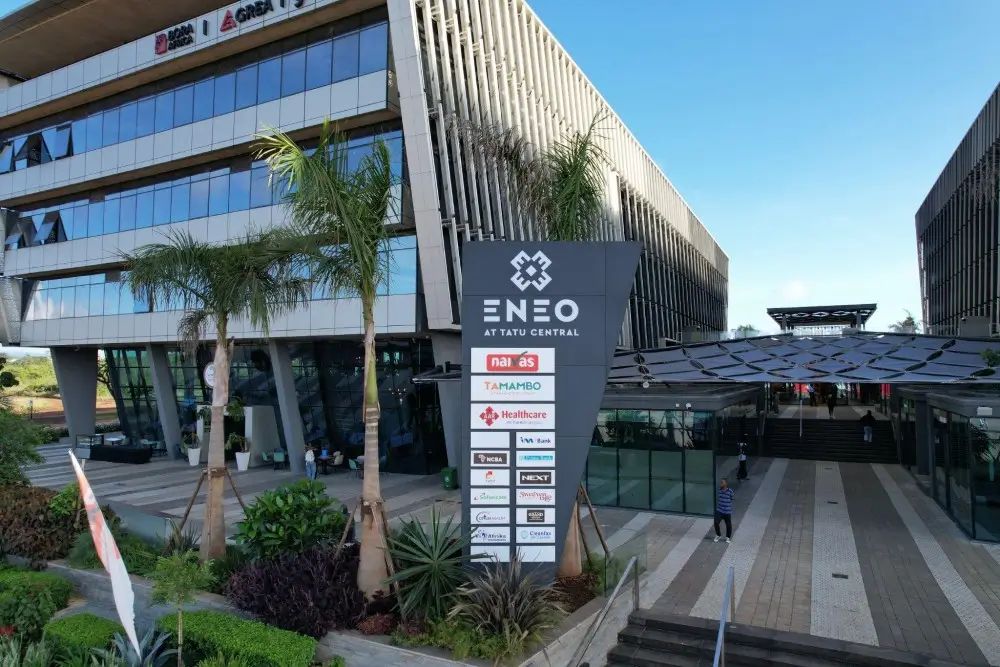
For many who step into Tatu, the reaction is the same: “It feels like abroad.”
But perhaps the most important difference is psychological. In Nairobi, you live in survival mode…commuting for hours, worrying about outages, and battling congestion. In Tatu, you feel like you’re part of a system that works. And that feeling is powerful.

Economists call smart cities like Tatu part of Africa’s “third revolution” after independence and industrialization. With urbanization rising at 3.5% per year, cities will determine Africa’s future. If we keep repeating old mistakes, our cities will collapse. But if we build smarter, greener, more efficient cities, we could leapfrog into a sustainable future.
Tatu City is Kenya’s proof of concept that this is possible.
To learn more about Tatu City, visit: www.tatucity.com Business Locations | Tatu City

CEO & Co-Founder, Abojani Investment
Robert Ochieng is a visionary entrepreneur and the co-founder of Abojani Investment, a leading financial education platform in Kenya that has empowered over 20,000 Africans to embark on their investment journeys. As CEO, he has demonstrated an unwavering commitment to financial literacy, successfully demystifying money and investments and making them accessible and relevant to individuals from all walks of life.
Running Thriving Investment Communities
Robert’s influence extends well beyond Abojani Investment’s core offerings. He has actively fostered a sense of community by running investment forums and groups with a vast following of over 300,000 Africans. These communities provide a safe space for individuals to exchange ideas, share experiences, and support each other on their investment journeys.
Vision for the Future
As co-founder of Abojani Investment, Robert envisions a financially empowered Africa. He strives to expand the reach of his financial education initiatives, enabling millions more to gain the knowledge and confidence needed to achieve their financial goals. His vision is to create a society where every individual has the tools and understanding to build lasting wealth and prosperity.
Professional Background
Robert Ochieng is a highly accomplished CEO at the helm of Abojani Investment, an investment and advisory firm in Kenya. He is a seasoned professional with over 14 years of experience in IT, Finance, and leadership.
His career includes key roles at prominent institutions such as Equity Bank, Gulf African Bank, Guaranty Trust Bank (GTBank) and Airtel.
Robert’s expertise has also been sought after by the National Treasury for consultancy on planning and budgeting systems, showcasing his exceptional knowledge and skills in the field. Passionate about driving meaningful conversations and collaborations between academia, industry, and the public sector, Robert actively engages in research projects focusing on digital transformation within the financial services sector. With his visionary leadership and strategic insights, Robert Ochieng continues to make a significant impact in the business world.