

Debt is one of the biggest obstacles to financial stability and independence. It’s a major concern for many households, often leading to stress, anxiety, and even depression. Once trapped in a debt cycle, people find themselves borrowing from multiple sources; shylocks, salary advance loans, mobile loan apps, and even friends just to stay afloat.
The problem is that the next paycheck always feels short, forcing them to borrow again.
Some debts arise from unpaid bills or obligations, creating a ripple effect on your finances. If a portion of your income is already set aside for debt repayment, you might struggle to meet your regular expenses, leading to yet another loan. One way to break this cycle is by negotiating bills whenever possible. Whether it’s rent or an outstanding debt, try to work out an agreement to avoid accumulating new loans just to stay afloat.
Also read: Debt Management for SMEs, Entrepreneurs and Individuals
Another common debt trap is Buy Now, Pay Later (BNPL) schemes. These financing options allow you to purchase items like household appliances, furniture, and even phones without paying the full price upfront. While they create the illusion of affordability, they often lead to long-term financial strain. If you commit to a payment plan that exceeds your actual capacity, you risk defaulting or stretching your budget so thin that you struggle to cover other necessities. A Ksh 100,000 TV might seem manageable when broken into monthly payments, but if your income can’t comfortably accommodate the installments, you’ll soon find yourself scrambling to keep up.
Taking loans to start a business is another risky move that often backfires. Many entrepreneurs borrow with the hope that their business will take off immediately, but in reality, businesses take time to become profitable. If the business struggles, loan repayments become a burden. Worse, when it starts making money, lifestyle inflation kicks in and you start upgrading your expenses before fully stabilizing the business. That will lead to more borrowing for restocking or operational costs. If you must take a loan for business, ensure you have a well-thought-out plan and a safety net.
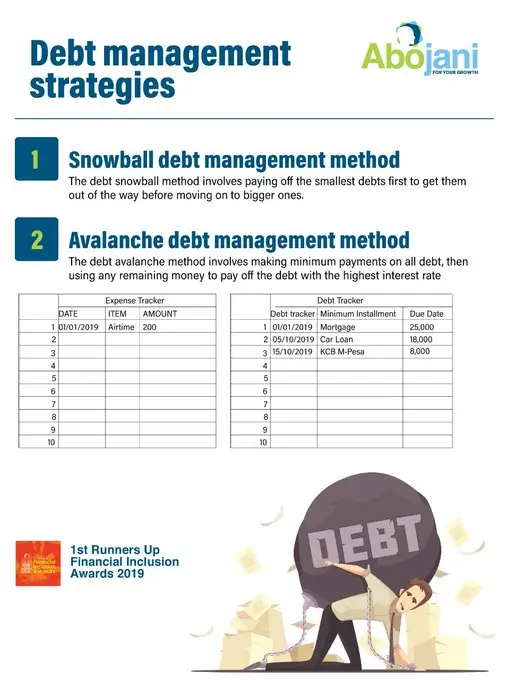
Using debt to finance a lifestyle is another habit that keeps people stuck. Borrowing money to fund vacations, expensive shoes, nights out, or luxury purchases may feel good in the moment, but it comes at a high cost. A salary loan for an impromptu trip with friends or a high-end gadget will leave you repaying long after the excitement has worn off.
At the core of most debt problems is a failure to budget and live within one’s means. Without a clear financial plan, it’s easy to overspend and find yourself short before the next payday. When an emergency arises, you’ll have no choice but to borrow. This cycle continues unless intentional steps are taken to break free.
The solution? Budget, budget, and then budget some more. Having a clear spending plan won’t solve all financial problems overnight, but it’s the first step toward self-sufficiency. Pair that with disciplined saving, and you’ll reduce the need for debt over time. Financial freedom will come once you manage what you already have wisely.
#Debt Habits

CEO & Co-Founder, Abojani Investment
Robert Ochieng is a visionary entrepreneur and the co-founder of Abojani Investment, a leading financial education platform in Kenya that has empowered over 20,000 Africans to embark on their investment journeys. As CEO, he has demonstrated an unwavering commitment to financial literacy, successfully demystifying money and investments and making them accessible and relevant to individuals from all walks of life.
Running Thriving Investment Communities
Robert’s influence extends well beyond Abojani Investment’s core offerings. He has actively fostered a sense of community by running investment forums and groups with a vast following of over 300,000 Africans. These communities provide a safe space for individuals to exchange ideas, share experiences, and support each other on their investment journeys.
Vision for the Future
As co-founder of Abojani Investment, Robert envisions a financially empowered Africa. He strives to expand the reach of his financial education initiatives, enabling millions more to gain the knowledge and confidence needed to achieve their financial goals. His vision is to create a society where every individual has the tools and understanding to build lasting wealth and prosperity.
Professional Background
Robert Ochieng is a highly accomplished CEO at the helm of Abojani Investment, an investment and advisory firm in Kenya. He is a seasoned professional with over 14 years of experience in IT, Finance, and leadership.
His career includes key roles at prominent institutions such as Equity Bank, Gulf African Bank, Guaranty Trust Bank (GTBank) and Airtel.
Robert’s expertise has also been sought after by the National Treasury for consultancy on planning and budgeting systems, showcasing his exceptional knowledge and skills in the field. Passionate about driving meaningful conversations and collaborations between academia, industry, and the public sector, Robert actively engages in research projects focusing on digital transformation within the financial services sector. With his visionary leadership and strategic insights, Robert Ochieng continues to make a significant impact in the business world.