

What does it take to turn a promising business idea into a sustainable enterprise? How should entrepreneurs approach financing, manage cash flow and make decisions that support long-term growth?
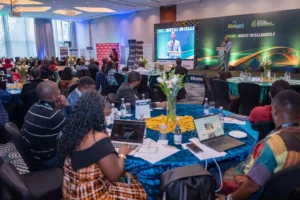
These were some of the questions explored in the Kenya Bankers Association’s My Chat With A Bank CEO series, which brought together leaders from Kenya’s banking sector to share practical insights on building and growing businesses.
Across the sessions, one message stood out: business success is not determined by the idea alone or how much capital an entrepreneur can access. It also depends on understanding the market, managing resources, making informed financial decisions and knowing when and how to grow.
Here are some of the key lessons shared throughout the series.
1. Start with a problem worth solving
A business idea may sound exciting, but that does not automatically make it a viable opportunity. Before investing time and money, entrepreneurs need to establish what problem they are solving, how their solution will work and, importantly, who is willing to pay for it.
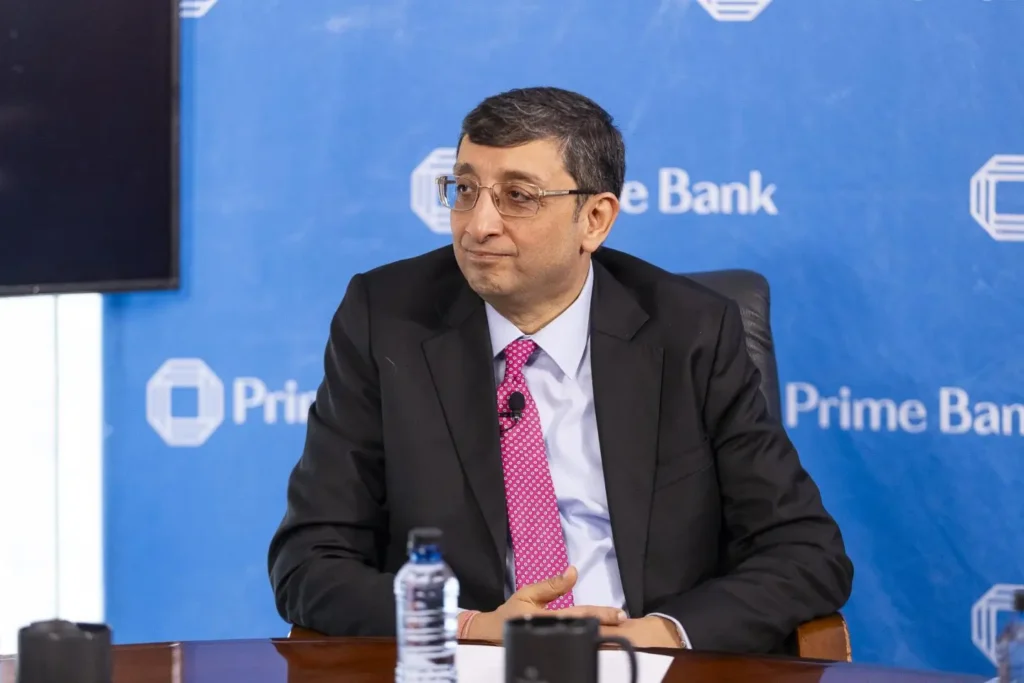
During the opening session, Rajeev Pant, CEO of Prime Bank, emphasized the importance of answering these three questions before committing resources to a business.
Understanding the problem also means researching the market, listening to potential customers and testing whether there is genuine demand. Rather than investing heavily from the outset, entrepreneurs should start with a small pilot, assess the results, learn from the experience and refine their approach.
Passion is important, but it must be supported by facts. Business owners need to understand their costs, potential sources of revenue and the risks they may encounter along the way. If the market does not respond to a product or service as expected, they must also be willing to reassess their approach rather than continue funding losses.
2. Choose financing that matches your business needs
Access to financing can help a business acquire equipment, increase production, expand operations or take advantage of new opportunities. However, the type and repayment period of financing matter just as much as the amount borrowed.
Peter Mugeni, Managing Director of HFCB Ltd, cautioned entrepreneurs against borrowing short and investing long. When a business uses short-term financing to acquire an asset that will take several years to generate income, it risks having to repay the loan before the investment has produced sufficient cash.

For example, if a vehicle is expected to generate income over four years, the financing should ideally reflect that period. The same principle applies to other business investments. Loan repayments should be structured around the cash flows an asset is expected to generate.
Entrepreneurs should therefore assess the economic value of an asset, how long it will take to generate returns and whether the business can comfortably meet the repayments.
The right source of capital also depends on the stage of the business. As Rajeev Pant noted, a bank may not always be the best first stop for an entrepreneur with a new idea. Early-stage businesses may need patient capital from personal savings, friends and family, microfinance institutions or angel investors before they develop the track record required for bank financing.
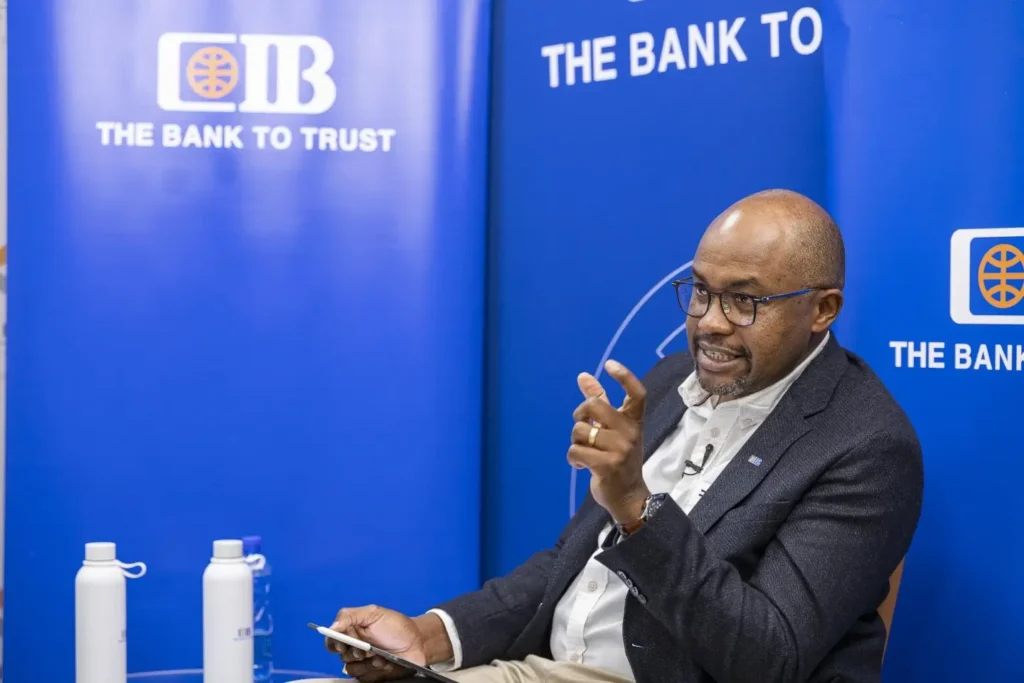
Tirus Mwithiga, CEO of CIB Kenya, also highlighted the value of external expertise and equity participation. Entrepreneurs who insist on retaining full ownership may sometimes limit the capital, skills and partnerships available to help their businesses grow.
3. Understand your cash flow, not just your sales
A business can record strong sales and still struggle to meet its financial obligations. This often happens when there is a mismatch between when money comes in and when payments are due.
Throughout the series, cash flow management emerged as one of the most important considerations for business sustainability.
Peter Mugeni encouraged entrepreneurs to maintain proper financial records and monitor their cash inflows and outflows. Even a simple spreadsheet or ledger can help a business understand where its money comes from, where it goes and when it may face a shortfall.
Michael Mutiga, Chief Executive of Stanbic Bank Kenya, reinforced the importance of having a clear picture of future cash flows before taking on debt. Since loan repayments are serviced using future income, business owners need to understand what they expect to earn and avoid committing all their available cash to repayments. Maintaining some financial headroom allows a business to accommodate unexpected expenses or changes in income.
He also emphasized the importance of building cash reserves during periods of strong sales. For businesses with seasonal income, such as those in agriculture, money set aside during the selling season can help cover operating costs and other expenses when business slows down.
4. Keep business and personal finances separate
Mixing personal and business finances can make it difficult to understand how well an enterprise is performing. When personal expenses are paid from business accounts, or business costs are covered using personal funds, the true financial position of the business becomes less clear.
Rajeev Pant encouraged entrepreneurs to separate their finances so they can better understand the organisation’s financial performance and identify whether it is generating enough money to sustain its operations.
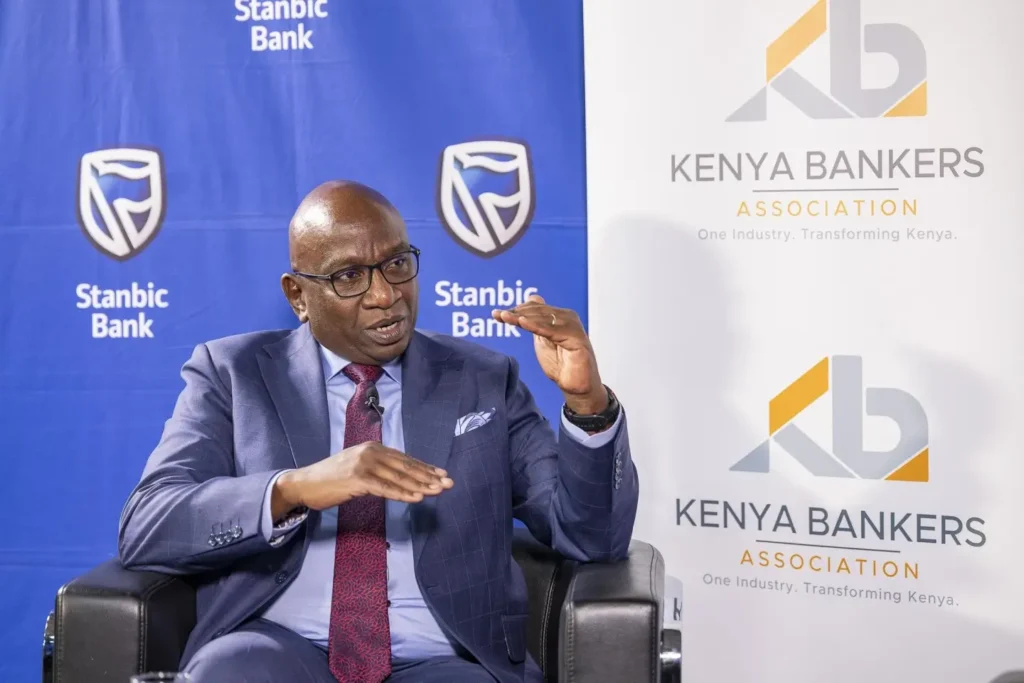
This also becomes important when considering personal investments. Michael Mutiga cautioned business owners against withdrawing money from their businesses to pursue other investment opportunities without first understanding the effect on the business’s cash flow.
Before committing business funds elsewhere, entrepreneurs should have a clear picture of their operating costs, sales and working capital requirements. They should also assess their own risk appetite when choosing other assets to invest in.
4. Practise financial discipline and protect what you build
Building wealth requires more than earning money. It also means making deliberate decisions about borrowing, spending, investing and protecting what you have accumulated.
Nancy Njau, CEO of Family Bank, drew on her 24 years in the financial sector to highlight the importance of understanding why you are borrowing before taking on debt. Borrowing to finance consumption, particularly lifestyle expenses, can leave individuals struggling with repayments without having acquired anything that improves their financial position. Before taking a loan, borrowers should consider whether it is addressing a genuine need and, most importantly, whether they have a clear plan for repayment.

She also offered a useful perspective on managing income and lifestyle expenses: live a level lower than your means, not just within your means. As income increases, spending does not have to rise at the same pace. Setting aside money consistently, regardless of how much one earns, creates room to save and invest rather than allowing lifestyle inflation to absorb every additional shilling.
For those beginning their investment journey, her advice was to start small, choose regulated investment products and make decisions that reflect their individual risk appetite. She also emphasised insurance as an important part of wealth protection.
For business owners, the decision to borrow is different when there is an established cash flow and a clear opportunity for growth, but insufficient resources to pursue it. In such circumstances, financing can help a business take advantage of an opportunity, provided the expected returns and repayment obligations have been properly considered.
6. Build a business that is ready for financing
Having a promising product or a growing customer base does not automatically make a business bankable. Lenders need to understand how the business operates, where its revenue comes from and whether it can meet its financial obligations.
Rebecca Mbithi, Managing Director of Ecobank Kenya Limited, explained that a bankable business should have predictable cash flows, proper structures and the ability to meet its financial commitments.
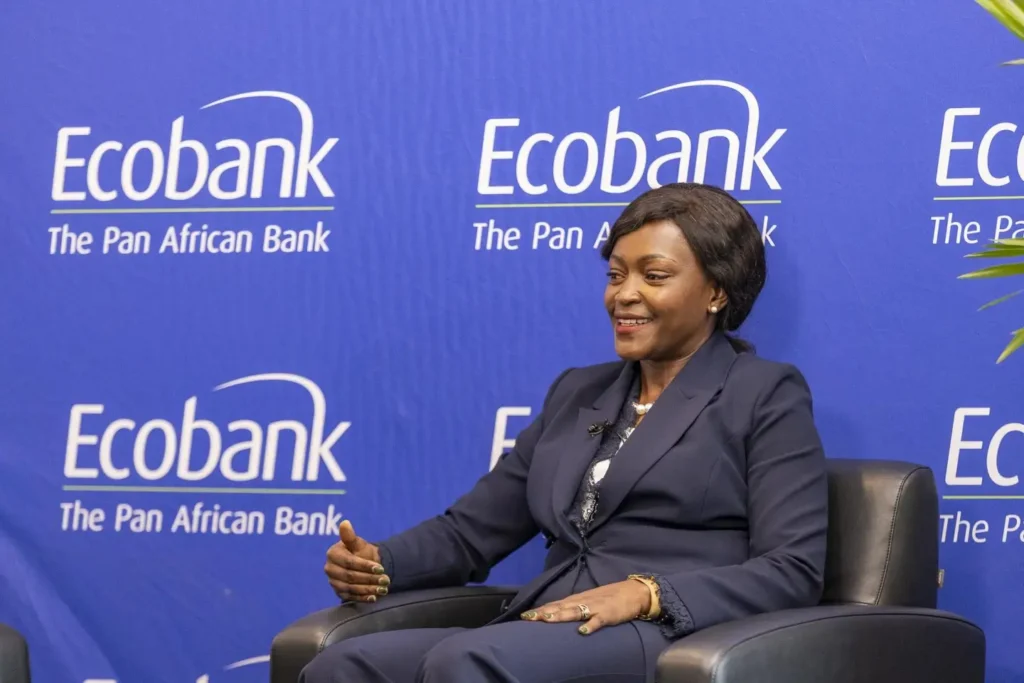
This requires entrepreneurs to put the fundamentals in place early. They need to maintain financial records, understand their customers, establish a clear business structure and demonstrate that the enterprise can generate sustainable revenue.
Tirus Mwithiga also encouraged business owners to formalise their operations and build relationships with their bankers before they urgently need financing. A good relationship with a financial institution can help entrepreneurs understand the support available and prepare for future funding needs.
Importantly, financing is not the only form of support a growing business may need. Mentorship, professional advice, industry connections and access to potential investors can also help entrepreneurs develop their businesses and become better prepared for growth.
7. Know when to grow, and when to consolidate
Growth is an important ambition for any business, but expanding too quickly or spreading resources across too many ventures can put pressure on an otherwise promising enterprise.
Rajeev Pant advised entrepreneurs against expanding faster than their businesses can support. Growth should be guided by the business’s capacity, available resources and ability to manage increased operations.
Abdi Mohamed, CEO of I&M Bank Kenya, returned to this point in the final session of the series, highlighting the importance of remaining focused on the core business. Positive cash flow may create opportunities to venture into other areas, but it does not always mean that the business should pursue them. In some cases, strengthening the existing operation may be the better decision.
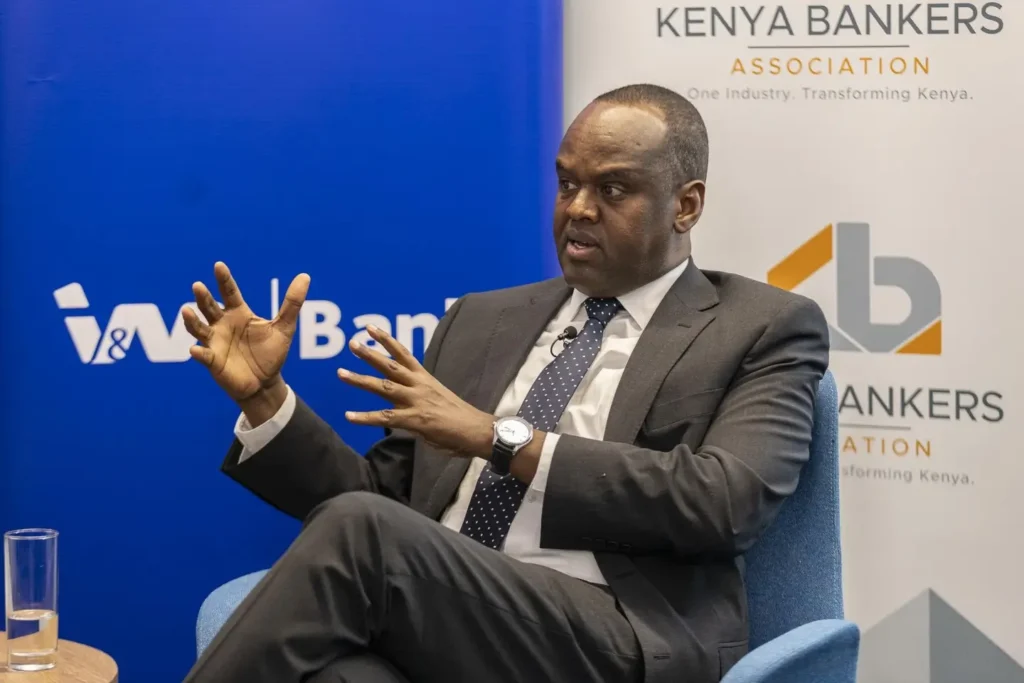
He also drew attention to the importance of managing debtor and creditor cycles. For instance, if a business borrows money that must be repaid in 60 days but gives its customers 90 days to pay, it creates a cash-flow gap. The business must then find other resources to meet its obligations while waiting for customers to pay.
Managing growth therefore requires more than identifying new opportunities. Business owners must consider whether their existing operations can support expansion without compromising their ability to meet everyday obligations.
8. Use technology to improve how your business operates
Technology can help businesses reduce costs, reach customers and improve efficiency, but digitisation does not have to happen all at once.
Abdi Mohamed encouraged entrepreneurs to identify the processes where technology can deliver the greatest value and prioritise those areas first. Businesses can then introduce additional digital solutions progressively as employees adapt and customer needs evolve.
For smaller businesses, technology can also provide a cost-effective way to test an idea, reach potential customers and generate demand without making substantial upfront investments.
The important consideration is to choose solutions that address actual business needs. Digitization should make operations easier to manage, improve service delivery or help the business understand its customers better.
Building businesses that can last
The lessons shared throughout the #KBACEOChat series point to a common foundation for sustainable business growth: understand your market, manage your finances, borrow responsibly and make decisions based on what your business can realistically support.
Access to capital remains important, but it is only one part of the equation. Entrepreneurs must also develop the structures, financial discipline and management capacity needed to put that capital to productive use.
Whether a business is just starting out or preparing for its next stage of growth, these fundamentals can make the difference between pursuing opportunities and building an enterprise capable of sustaining them.
You can access all 7 sessions on KBA’s Youtube page:
https://www.youtube.com/@KenyaBankersKE
#Chat with Bank CEO

CEO & Co-Founder, Abojani Investment
Robert Ochieng is a visionary entrepreneur and the co-founder of Abojani Investment, a leading financial education platform in Kenya that has empowered over 20,000 Africans to embark on their investment journeys. As CEO, he has demonstrated an unwavering commitment to financial literacy, successfully demystifying money and investments and making them accessible and relevant to individuals from all walks of life.
Running Thriving Investment Communities
Robert’s influence extends well beyond Abojani Investment’s core offerings. He has actively fostered a sense of community by running investment forums and groups with a vast following of over 300,000 Africans. These communities provide a safe space for individuals to exchange ideas, share experiences, and support each other on their investment journeys.
Vision for the Future
As co-founder of Abojani Investment, Robert envisions a financially empowered Africa. He strives to expand the reach of his financial education initiatives, enabling millions more to gain the knowledge and confidence needed to achieve their financial goals. His vision is to create a society where every individual has the tools and understanding to build lasting wealth and prosperity.
Professional Background
Robert Ochieng is a highly accomplished CEO at the helm of Abojani Investment, an investment and advisory firm in Kenya. He is a seasoned professional with over 14 years of experience in IT, Finance, and leadership.
His career includes key roles at prominent institutions such as Equity Bank, Gulf African Bank, Guaranty Trust Bank (GTBank) and Airtel.
Robert’s expertise has also been sought after by the National Treasury for consultancy on planning and budgeting systems, showcasing his exceptional knowledge and skills in the field. Passionate about driving meaningful conversations and collaborations between academia, industry, and the public sector, Robert actively engages in research projects focusing on digital transformation within the financial services sector. With his visionary leadership and strategic insights, Robert Ochieng continues to make a significant impact in the business world.