
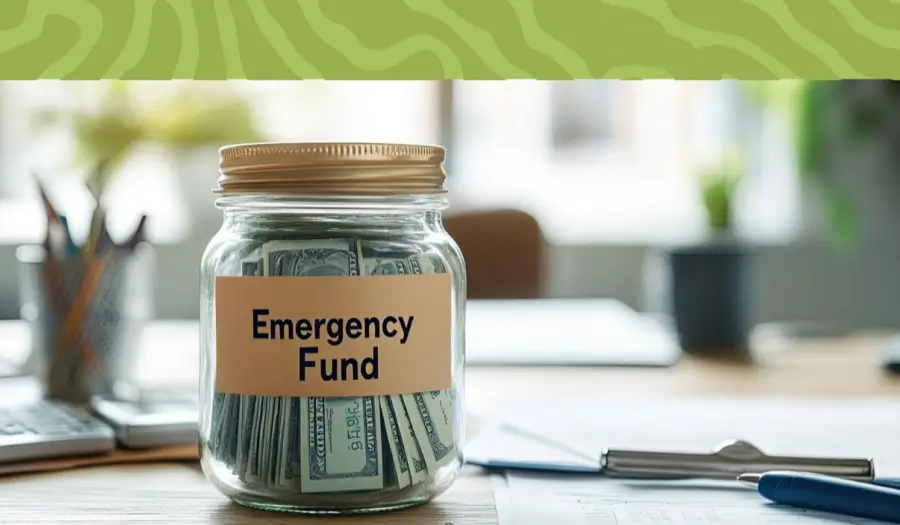
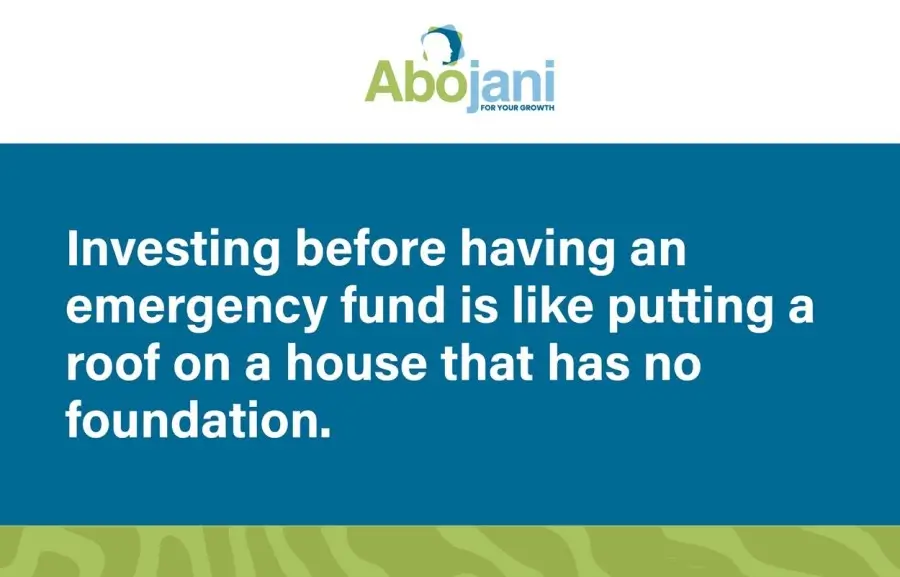
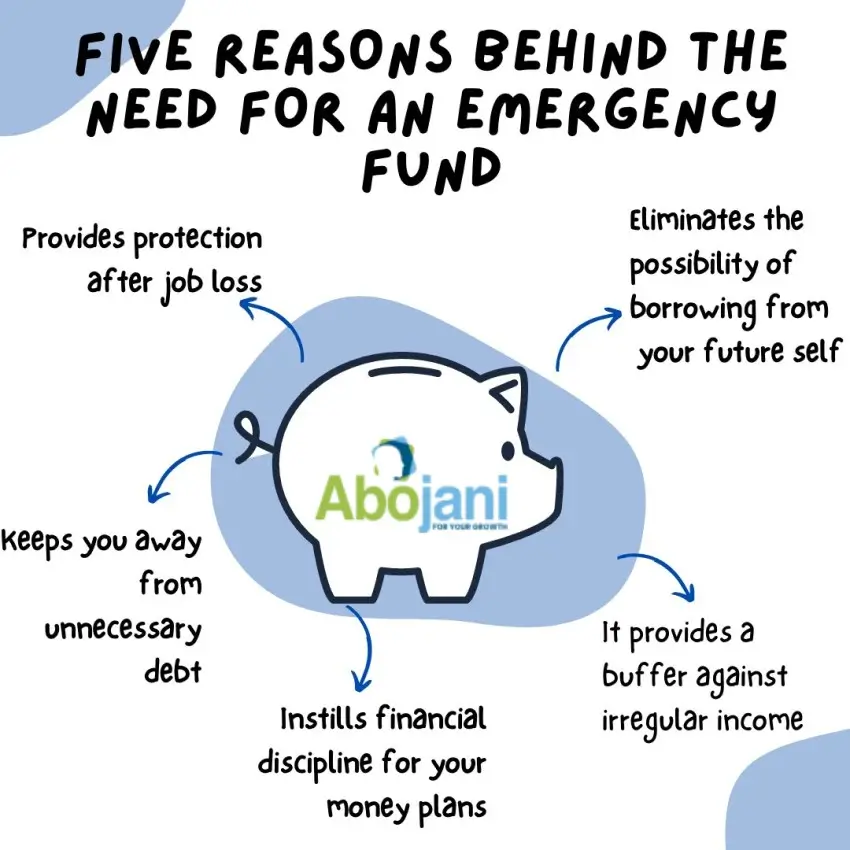
An emergency fund acts as a financial safety net, providing peace of mind during unexpected situations such as medical emergencies, job loss, or urgent repairs. Establishing this fund is crucial for financial stability. If you’re looking to build one, here are some effective, practical strategies to help you begin and stay consistent:
1. Start Small, Stay Consistent
Many people delay building an emergency fund because they feel they can’t set aside a large sum. But consistency matters more than size at the beginning. Even setting aside KES 500 to KES 1,000 a week or month builds the habit. Over time, this consistency compounds into a reliable cushion.
Also read: What Qualifies as a Financial Emergency?
2. Treat It Like a Non-Negotiable Expense
Think of your emergency fund like rent or utilities, something you must “pay” every month. Automate a standing order or mobile transfer to a separate savings account, so you don’t forget or get tempted to spend it. Out of sight, out of reach, out of mind.
3. Choose the Right Account
Your emergency fund should be accessible but not too convenient. A money market fund or high-yield savings account strikes a good balance: your funds grow modestly, but you can still access them when needed without penalties or delays.
4. Use Windfalls Wisely
Bonuses, refunds, or gifts can be tempting to spend impulsively, but these one-off inflows are a great way to accelerate your emergency fund goals. Even allocating half of such windfalls to your fund can dramatically shorten the time it takes to hit your target.
5. Set a Clear Goal
A vague “I’ll save something” approach doesn’t provide clarity or motivation. A good rule of thumb is to save 3–6 months’ worth of essential living expenses. If your monthly expenses are KES 50,000, aim for KES 150,000 to KES 300,000. Adjust based on your job stability, number of dependents, or other risks you face.
6. Review and Adjust Regularly
Your income, expenses, and risks evolve over time. Review your emergency fund target at least annually, especially after major life events like moving out, getting married, having a child, or changing jobs. Your emergency needs won’t be the same forever.
7. Avoid Using It for Non-Emergencies
The most disciplined savers still get tempted to dip into their emergency fund for travel deals or flash sales. But remember: the purpose of this fund is to protect your financial stability, not to fund impulse purchases. Label the account “Emergency Only” if that helps.
8. Supplement with Insurance
An emergency fund is part of your safety net, not the whole net. Health, car, or even personal accident insurance can reduce the financial shock when emergencies strike. That way, your fund lasts longer and works hand-in-hand with your other protections.
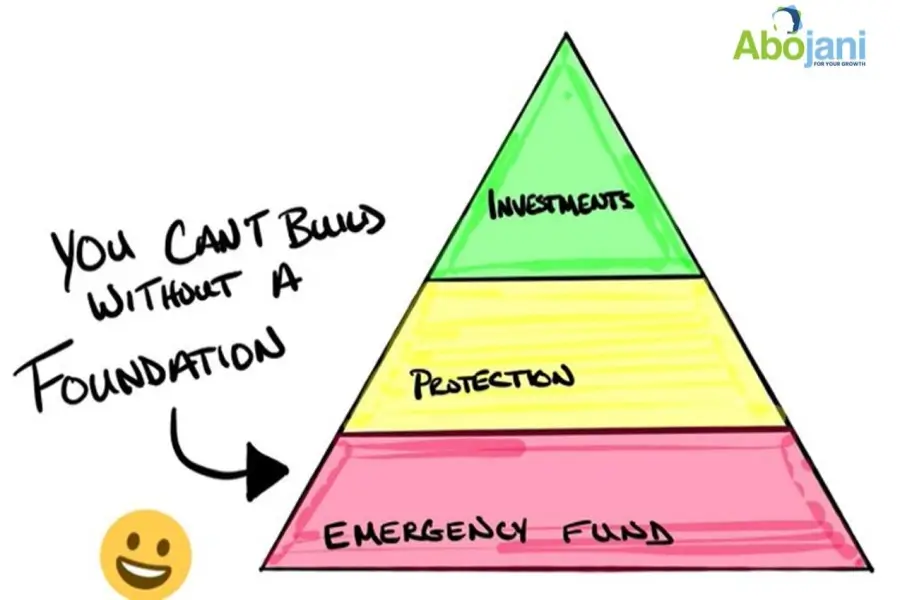
An emergency fund isn’t just about saving money, it’s about buying peace of mind. Life is unpredictable, and while you can’t plan for everything, you can prepare. Whether you’re starting with KES 200 or have the capacity to stash away more, the key is to begin and stay the course. Financial resilience doesn’t come from wealth alone, it comes from being prepared for the unknown.
#An Emergency Fund

CEO & Co-Founder, Abojani Investment
Robert Ochieng is a visionary entrepreneur and the co-founder of Abojani Investment, a leading financial education platform in Kenya that has empowered over 20,000 Africans to embark on their investment journeys. As CEO, he has demonstrated an unwavering commitment to financial literacy, successfully demystifying money and investments and making them accessible and relevant to individuals from all walks of life.
Running Thriving Investment Communities
Robert’s influence extends well beyond Abojani Investment’s core offerings. He has actively fostered a sense of community by running investment forums and groups with a vast following of over 300,000 Africans. These communities provide a safe space for individuals to exchange ideas, share experiences, and support each other on their investment journeys.
Vision for the Future
As co-founder of Abojani Investment, Robert envisions a financially empowered Africa. He strives to expand the reach of his financial education initiatives, enabling millions more to gain the knowledge and confidence needed to achieve their financial goals. His vision is to create a society where every individual has the tools and understanding to build lasting wealth and prosperity.
Professional Background
Robert Ochieng is a highly accomplished CEO at the helm of Abojani Investment, an investment and advisory firm in Kenya. He is a seasoned professional with over 14 years of experience in IT, Finance, and leadership.
His career includes key roles at prominent institutions such as Equity Bank, Gulf African Bank, Guaranty Trust Bank (GTBank) and Airtel.
Robert’s expertise has also been sought after by the National Treasury for consultancy on planning and budgeting systems, showcasing his exceptional knowledge and skills in the field. Passionate about driving meaningful conversations and collaborations between academia, industry, and the public sector, Robert actively engages in research projects focusing on digital transformation within the financial services sector. With his visionary leadership and strategic insights, Robert Ochieng continues to make a significant impact in the business world.